Private Equity’s Greed Is Catching Up: Why Ordinary Americans Will Pay the Price

April 30, 2025 • By NKOZI KNIGHT

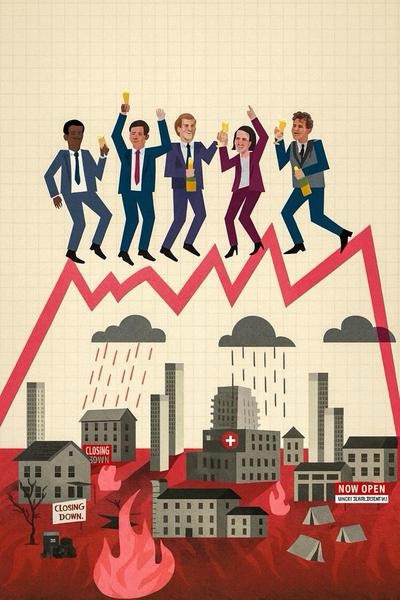
Many of us do not realize that private equity firms has always been about extraction, not creation. The model is simple. Borrow heavily, buy a company, slash jobs and benefits, sell off assets, and walk away with fees long before the damage shows. Communities are left with shuttered stores, abandoned buildings, bankrupt chains, and broken promises.

The list of casualties is long. Toys “R” Us was loaded with more than $5 billion dollars in debt by Bain Capital and KKR before it collapsed, taking 30,000 jobs with it. Payless ShoeSource closed its doors, erasing 18,000 jobs. J. Crew, Gymboree, Shopko, Forever 21, and Sears each followed the same path. Behind nearly every failure was a private equity deal that turned once-profitable companies into vehicles for debt. Blackstone, the largest of them all, drew criticism for gutting nursing homes and rental housing, where residents and tenants bore the consequences. Carlyle, Apollo, and Sycamore Partners engineered deals that enriched executives while leaving behind bankruptcies across retail, energy, and health care.

The damage has never been limited to debt. Private equity firms extract billions in fees on top of what they load onto companies. They sell the land and buildings, forcing the very businesses they own to pay rent back to them. In franchise models, they skim off royalty payments while cutting services and staff. They charge management fees to companies they already control, ensuring that even if a business fails, the firm still profits. These practices are not side effects. They are the business model.

For years the system ran on cheap money. With interest rates near zero, debt was abundant and investors were eager. Firms could buy, bleed, and flip companies in two or three years. That era is gone. Interest rates now sit above five percent. Debt costs more, buyers are scarce, and the IPO market has dried up. Firms are stuck holding companies that are drowning under the very leverage designed to enrich their owners.

The numbers are staggering. Nearly $12 trillion dollars in private equity assets now sit unsold. Exit activity has collapsed more than 70 percent since 2021. To raise cash, firms are borrowing against their own portfolios with NAV loans or dumping stakes at steep discounts on the secondary market. Even the giants like Blackstone, KKR, Apollo, Carlyle, Bain are stuck with bad debt no one wants. They cannot sell, yet their investors are demanding cash.

The quiet truth is that these firms are already maneuvering for Washington’s help. During the 2008 financial crisis, banks and insurers were rescued with taxpayer dollars. Private equity, which profited handsomely off that same collapse, is positioning itself for similar treatment.

This is not just an elite problem. It is a national one. When private equity runs out of road, it is not the billionaire partners who suffer. It is the workers whose jobs are cut, the retirees whose pensions cannot meet obligations, the students whose tuition rises because endowments cannot keep pace, and the taxpayers who are asked to backstop the system.

The parallels to 2008 are frightening. Then it was mortgage backed securities. Now it is unsellable companies and illiquid funds. In 2008, families lost homes and jobs while Wall Street was saved. Today the scale is even larger. With trillions in assets frozen, the next bailout could dwarf the last one.

Meanwhile, private equity’s destruction also extends into America’s hospitals and nursing homes and people are paying with their lives. Studies show that Medicare patients undergoing emergency surgeries in private equity–owned hospitals are 42 percent more likely to die within 30 days compared to those treated in community hospitals . A nationwide study found infections, falls, and other preventable adverse events increased following private equity takeovers of hospitals . Even the U.S. Department of Health and Human Services condemned the impact, warning that private equity ownership of nursing homes led to an 11 percent increase in patient deaths .

Recent reporting shows the financial calculus behind these tragedies. Nursing home operators in New York’s Capital Region diverted Medicare and Medicaid funds through inflated rent and bogus salaries. That left facilities chronically understaffed and suffering neglect so severe that it led to cases of serious injury and death .

By turning hospitals and nursing homes into profit centers rather than care centers, private equity firms aren’t just bankrupting businesses, they are literally killing people. And when that business model collapses, it will be everyday Americans who pay the cost once again.

The message is not subtle. If private equity’s gamble fails, the richest players will once again be saved. For ordinary Americans, the reckoning will look like it always does. Lost jobs. Higher taxes. Vanishing pensions. Rising tuition. And another generation paying for someone else’s greed.

This is the American cycle. The profits are privatized, the losses are socialized, and working families are forced to carry the cost.

The Private Equity Trap: How Harvard, Yale, and Princeton Got Caught in a Liquidity Crisis

For decades, private equity was the hottest corner of finance. The model was simple. Buy a company, cut costs, load it with debt and fees, polish the books, and sell it again within two to three years for a hefty profit. It was called the “flip,” and it made fortunes for firms like Blackstone, KKR, and Carlyle. Endowments and pensions rushed to get a piece of it.

That model is now broken.

The exits that once came fast and lucrative have slowed to a crawl. A world of near-zero interest rates is gone. Debt that once financed buyouts at minimal cost now comes with punishing interest, squeezing margins and stretching holding periods. Instead of flipping companies in two years, funds are sitting on assets for six, seven, even ten years. The portfolio backlog is staggering: more than $12 trillion worth of private equity assets sit unsold worldwide.

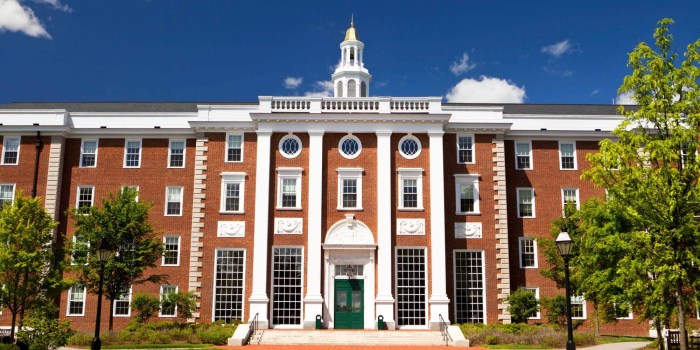
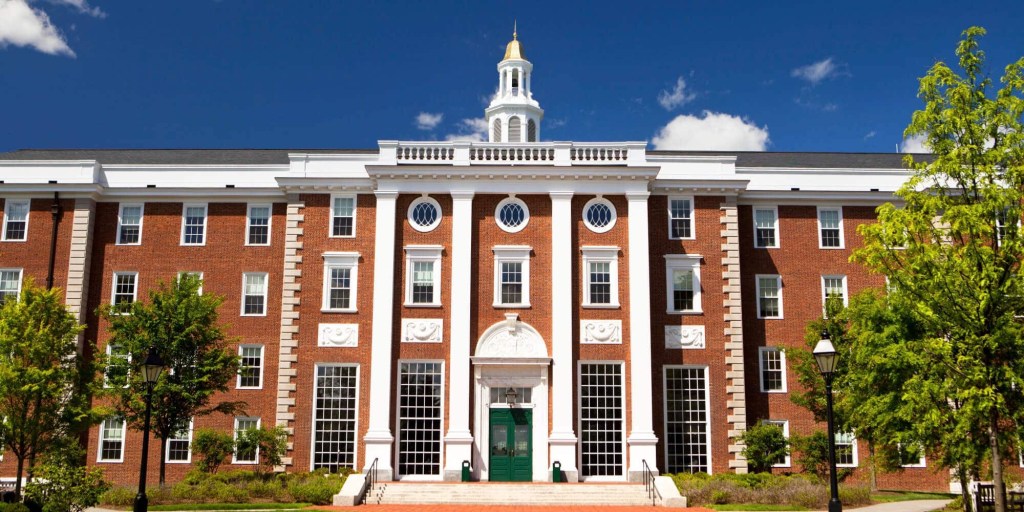
And at the center of this crisis are the universities that built their wealth on the promise of private equity. Harvard, Yale, and Princeton reshaped modern investing by betting heavily on illiquid alternatives. They now face the consequences of that bet.

The Death of the Flip

The two-year turnaround was never sustainable, but for a time it worked. Cheap debt fueled endless rounds of leveraged buyouts, where firms borrowed heavily, stripped assets, cut staff, and pushed companies back to market at inflated valuations.

But the cycle depended on two things: cheap money and eager buyers. Both have disappeared. The Federal Reserve’s rate hikes have doubled and tripled the cost of debt financing. Buyers are cautious, corporate balance sheets are tighter, and the IPO window remains largely shut.

Exit activity tells the story. In 2021, private equity firms sold $840 billion worth of companies. By 2023, that figure had collapsed to $234 billion, a drop of 72 percent. Even with a partial rebound in 2024 to $468 billion, exits are far too low to clear the backlog. Funds are holding twice as many assets as they did in 2019, but are selling them at the same pace as five years ago.

Without exits, distributions to investors dry up. Endowments that expected cash back to fund university budgets are left waiting.

Interest Rates as the Choke Point

Private equity’s entire model is built on leverage. A firm that buys a company for $10 billion may finance $7 billion of that price with debt, leaving just $3 billion of investor equity. If interest rates are low, debt is cheap, and any improvement in the business magnifies returns.

But with rates at five percent or higher, the math no longer works. Debt service eats into earnings. Refinancing becomes expensive or impossible. Companies bought at lofty valuations in 2020 and 2021 are now struggling to cover interest costs, let alone generate attractive profits for resale.

For the funds that hold them, paper valuations remain high, but real buyers demand discounts. That gap between reported NAV and market reality is another reason sales have slowed.

The Mechanics of Desperation

To keep investors from revolting, firms have engineered liquidity out of thin air. NAV loans lines of credit secured by the assets in a fund allow managers to borrow cash and hand it back to investors as if it were a distribution. Continuation funds where a firm sells a portfolio company from one of its funds into another fund it also controls in effect creates the illusion of an exit, while extending the holding period indefinitely.

On the investor side, endowments and pensions have turned to the secondary market, selling their stakes in private equity funds to buyers willing to take them at a discount. In 2024, secondary volume hit a record $155 billion. Harvard sold $1 billion worth of fund stakes. Yale is preparing to sell as much as $6 billion. The New York City pension system sold $5 billion. Buyers snapped them up at 10 to 15 percent discounts to stated value. For venture portfolios, the discounts were as steep as 50 percent.

These maneuvers do not solve the problem. They buy time. The only true fix is exits with real sales, IPOs, or recapitalizations and the industry is years away from clearing the overhang.

Case Studies: The Ivy League Squeeze

Harvard has a $53 billion endowment, the largest in the world. Nearly 40 percent of it is tied up in private equity. In April 2025, Harvard moved to sell $1 billion of those stakes through Jefferies, while simultaneously planning to issue $750 million in bonds. The official explanation is liquidity management, not distress. But the resemblance to 2008, when Harvard was forced to borrow billions to cover private equity calls, is unmistakable.

Yale built the “Yale model,” with nearly half of its $41 billion endowment allocated to private assets. For years, this made Yale the envy of institutional investors. But in 2024, Yale returned just 5.7 percent, compared to 13.5 percent for a basic stock-bond index. Now it is exploring a $6 billion secondary sale, nearly 15 percent of its endowment. The sale is not about strategy. It is about cash.

Princeton has a smaller endowment, about $35 billion, but the same exposure. Its longtime CIO Andrew Golden called 2023 the worst liquidity environment he had ever seen. Princeton raised $1.4 billion in bonds to shore up its balance sheet. Like Harvard and Yale, it insists the strategy is intact. But the reality is that illiquidity has become a liability.

Why This Matters to Everyday Americans

It is tempting to see this as an elite problem, billion dollar universities mismanaging their fortune. But it is not.

Endowments fund scholarships, financial aid, and core research. If Harvard or Yale faces a liquidity squeeze, it means fewer students receive aid. It means tuition rises to fill the gap. It means labs lose funding and staff lose jobs. What begins as a crisis in private equity becomes a crisis for students and families.

The same holds true in pensions. State retirement systems have billions tied up in private equity. When distributions dry up, they cannot meet obligations to retirees. That shortfall has to be covered by raising taxes, cutting benefits, or, in the worst case, turning to the federal government for relief. For millions of working and middle class Americans, this is not abstract. It is their retirement on the line.

The parallels to 2008 are chilling. Then, it was mortgage backed securities that turned toxic. Homeowners defaulted, banks failed, and Washington rushed in with taxpayer bailouts. Families lost houses, jobs, and savings, while Wall Street was rescued. Today, the scale is even larger. With twelve trillion dollars in unsold assets stuck on private equity books, the next bailout could dwarf 2008.

Imagine the politics of that moment. A populist like Donald Trump could frame it as Ivy League elites and Wall Street executives begging for lifelines while ordinary Americans pay the price. But the structural interdependence is real. If endowments and pensions buckle, the pressure on Washington to intervene may be irresistible. The federal government does not have the fiscal room to absorb another trillion dollar rescue, yet that may be exactly what is asked of it.

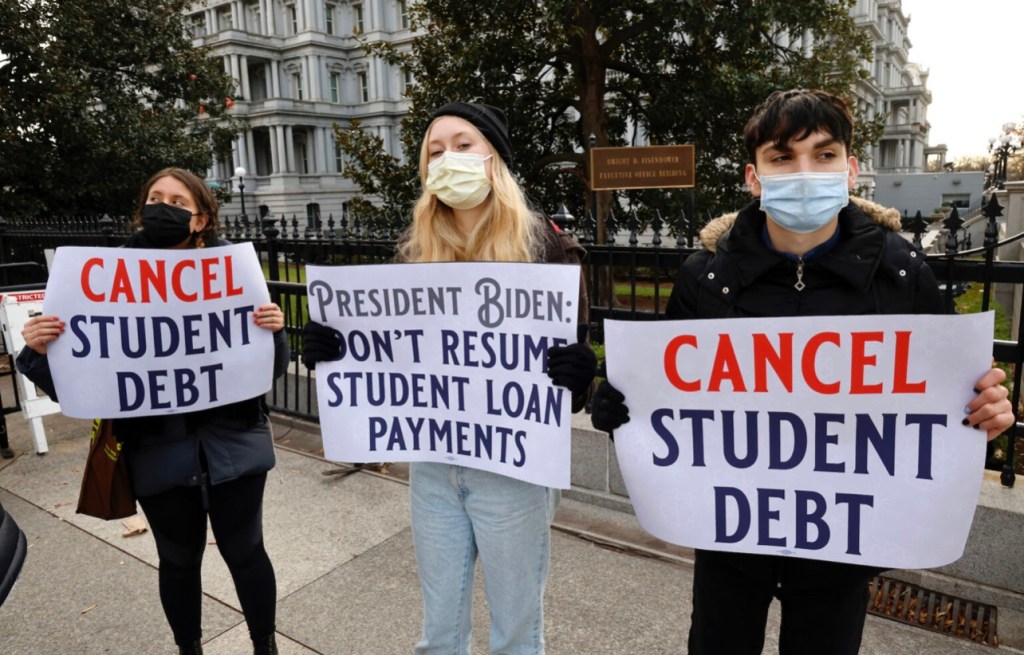
The burden would not fall on universities or private equity firms alone. It would fall on taxpayers, on students already struggling with debt, on workers who depend on pensions, on families already squeezed by inflation and high borrowing costs. In short, it would fall on the very people who had no hand in creating the mess.

Private equity sold itself as the smartest bet of modern finance. But the two year flip is dead, interest rates have choked the model, and endowments that once trusted in illiquidity now find themselves trapped. For everyday Americans, the lesson is as clear as it was in 2008: when the smartest people in the room gamble with other people’s money and lose, it is everyone else who ends up paying the price.

Harvard Expands Free Tuition to Families Earning Under $200,000

By Nkozi Knight

In a move aimed at expanding access to higher education, Harvard University announced Monday that it will offer free tuition to students from families earning $200,000 or less starting in the 2025-2026 academic year. This marks a significant expansion of the university’s financial aid program, further removing financial barriers for prospective students.

Students from families with incomes below $100,000 will also have all expenses covered, including housing, food, health insurance, and travel costs. Previously, Harvard provided full financial support only to students from families earning less than $85,000 annually.

“Putting Harvard within financial reach for more individuals widens the array of backgrounds, experiences, and perspectives that all of our students encounter, fostering their intellectual and personal growth,” said Harvard President Alan Garber.

While tuition alone at Harvard currently exceeds $56,000, total costs, including housing and other fees, approach $83,000 per year. The new policy will significantly lessen that burden for many American families.

Families earning above $200,000 may still qualify for tailored financial aid depending on individual circumstances.

This initiative aligns with similar policies at other elite institutions, like the Massachusetts Institute of Technology (MIT), which announced a comparable expansion last fall. Harvard estimates that 86% of U.S. families will now be eligible for some level of financial aid.

“Harvard has long sought to open our doors to the most talented students, no matter their financial circumstances,” said Hopkins Dean of the Faculty of Arts and Sciences. “This investment ensures that every admitted student can pursue their academic passions and contribute to shaping our future.”

The expansion comes amid broader conversations about diversity in higher education, especially following the Supreme Court’s ruling against affirmative action in college admissions. Harvard, along with other institutions like the University of Pennsylvania, views increased financial aid as a pathway to maintaining diversity by ensuring access to students from varied socioeconomic backgrounds.

“We know the most talented students come from different socioeconomic backgrounds and experiences, from every state and around the globe,” said William Fitzsimmons, Harvard’s dean of admissions and financial aid. “Our financial aid is critical to ensuring that these students know Harvard College is a place where they can thrive.”

This policy marks a continued effort to create a more inclusive and accessible environment at one of the nation’s most prestigious universities.

Bitcoin Falls to 11-Day Low Amid Broader Tech Selloff

A woman passes by the Bitcoin Monument after bitcoin soared above $100,000, in Ilopango, El Salvador, December 5, 2024. 

Bitcoin fell below $100,000 on Monday, marking its lowest level in 11 days, as a wave of caution swept through global markets following a sharp selloff in tech stocks. Analysts linked the decline to investor anxiety over the surging popularity of a Chinese artificial intelligence model that has disrupted confidence in Western AI-related equities.

Bitcoin Tracks Broader Market Losses

The world’s largest cryptocurrency dropped as much as 7% during the session, trading at $98,745 by late afternoon in London. The dip follows a turbulent day for technology stocks, particularly in the AI sector, which saw significant losses after China’s DeepSeek AI launched its low-cost, high-efficiency DeepSeek-V3 model.

“Bitcoin’s decline is a direct reflection of the broader risk-off sentiment dominating markets,” said Emilia Carter, a cryptocurrency strategist at Digital Asset Partners. “The tech selloff has spooked investors, leading to a rotation out of speculative assets like Bitcoin.”

Tech Selloff Sparks Broader Market Jitters

The tech-heavy Nasdaq Composite fell 2.6%, with major players like Nvidia, Microsoft, and Alphabet posting steep losses. Nvidia, a leader in AI hardware, suffered an 11.2% drop after concerns over its competitive position in the Chinese market. Analysts suggested that DeepSeek’s rapid ascent has reshaped market dynamics, intensifying pressure on Western tech firms.

“DeepSeek’s breakthrough highlights the growing capabilities of Chinese AI firms,” said Daniel Morgan, an analyst at Synapse Capital. “This has created a ripple effect, with investors reassessing valuations across the tech sector, which in turn is affecting sentiment in other high-risk asset classes like cryptocurrencies.”

Safe-Haven Assets Gain

As riskier assets took a hit, traditional safe-havens saw gains. U.S. Treasury yields dropped, with the benchmark 10-year yield falling to 3.42%, while gold climbed 1.3% to $1,945 per ounce. The dollar weakened against major currencies, with the Japanese yen rising 0.7% to 129.50 per dollar.

“Market participants are in defensive mode, pulling back from speculative investments,” said Jonathan Knight, head of macroeconomic research at Fortress Investments. “The flight to safety reflects growing concerns about geopolitical risks and economic uncertainty.”

Bitcoin’s Outlook

Despite the drop, some analysts remain optimistic about Bitcoin’s long-term prospects. “Bitcoin has weathered similar pullbacks before, and its underlying fundamentals remain strong,” said Clara Davis, a senior researcher at CryptoAnalytics. “While short-term volatility is inevitable, the broader adoption trends for cryptocurrencies are intact.”

Still, others cautioned that Bitcoin’s correlation with risk assets could make it vulnerable to further market turbulence, especially as global economic conditions remain uncertain.

What’s Next?

Market attention now turns to how Western technology firms will respond to the competitive threat posed by DeepSeek and whether the broader tech selloff will deepen. Cryptocurrency investors, meanwhile, are watching for signs of stabilization in Bitcoin prices as the market digests the latest developments.

Tech Rout: Nvidia Plunges as China’s DeepSeek AI Soars, Investors Flock to Safe Havens

By Nkozi Knight

Global markets took a hit on Monday as technology stocks plummeted amid growing concerns over competitive pressures from China’s burgeoning AI sector. Shares of Nvidia, a key player in the artificial intelligence (AI) industry, dropped sharply, losing 11.2% in a single session. The slide came as Chinese startup DeepSeek surged in popularity with its low-cost AI model, intensifying market anxiety about the dominance of U.S. tech firms in the rapidly growing AI space.

Tech Stocks in Freefall

Nvidia, widely regarded as a leader in AI computing hardware, saw its shares nosedive after reports of slowing demand for its GPUs in China. Analysts attributed the decline to DeepSeek’s unveiling of its DeepSeek-V3 model, a highly efficient AI system offering comparable performance at a fraction of the cost.

The ripple effect hit other tech giants as well, with Microsoft, Meta Platforms, and Alphabet each recording losses of 3-5%. The Nasdaq Composite Index fell 2.6%, its worst single-day performance since December 2024.

“The competitive landscape is shifting rapidly, and this adds a new layer of uncertainty for U.S.-based AI leaders,” said Daniel Crawford, a senior equity analyst at Global Insights. “DeepSeek’s entry into the market highlights the growing sophistication of Chinese AI firms and their ability to disrupt established players.”

DeepSeek’s Meteoric Rise

DeepSeek’s DeepSeek-V3 became the most downloaded free app on Apple’s App Store within days of its launch. The AI assistant boasts advanced natural language processing capabilities and features targeted at small and medium-sized businesses, undercutting its U.S. competitors on price.

The surge in popularity underscores the increasing influence of Chinese technology companies in global markets. With heavy state-backed funding, firms like DeepSeek are rapidly closing the innovation gap with their Western counterparts.

“DeepSeek represents a ‘Sputnik moment’ for the AI industry,” said James Li, an AI researcher based in Shanghai. “This is a wake-up call for U.S. firms to accelerate innovation or risk losing their competitive edge.”

Flight to Safety

Amid the turmoil, investors sought refuge in traditional safe-haven assets. U.S. Treasury yields dropped as demand surged, with the 10-year yield falling to 3.42%. Gold also saw a 1.3% increase, closing at $1,945 per ounce. The U.S. dollar weakened against major currencies, with the euro rising 0.8% to $1.11.

“Investors are nervous, and rightfully so,” said Sophia Greene, chief market strategist at Capital Horizons. “The market is recalibrating to factor in geopolitical risks and the growing unpredictability of tech-driven disruptions.”

Outlook

The fallout from the tech sell-off has raised broader concerns about the U.S.’s ability to maintain its dominance in the AI industry. Lawmakers in Washington have called for more stringent measures to ensure domestic innovation and reduce reliance on foreign supply chains.

For now, the spotlight remains on how U.S. tech giants will respond to the threat posed by DeepSeek and other rising stars in the Chinese tech ecosystem. Investors are watching closely as the industry braces for further turbulence.

Unforgettable Luxury and Endless Fun at Breathless Riviera Cancun Resort & Spa


As a seasoned travel enthusiast, I’ve experienced my fair share of luxury resorts, but my recent stay at Breathless Riviera Cancun Resort & Spa was truly unparalleled. Nestled between the picturesque Caribbean Sea and the Lagoon of Bahia Petempich, this adult-only paradise redefines the all-inclusive experience with its unlimited luxury approach.

Upon arrival, I was captivated by the resort’s modern design and vibrant atmosphere. The unique layout, featuring three horseshoe-shaped buildings each with their distinct vibe, immediately set the stage for an extraordinary getaway. I stayed in the Xcelerate Junior Suite Swimout Ocean Front King, a marvel of comfort and elegance. The suite’s standout feature was undoubtedly the private pool, offering a serene escape with stunning sea views. Inside, the amenities, including a well-stocked mini-bar, plush seating area, and a sleek flat-screen TV, ensured my every need was met.

The resort’s commitment to high standards was evident in their cleaning practices. From the moment I began planning my trip to my safe journey home, their heightened health and safety measures provided peace of mind, allowing me to fully immerse myself in the experience.

Dining at Breathless Riviera Cancun was a gastronomic adventure. With various dining venues, each meal was an exploration of global cuisines, served in the most enchanting settings. The bars and lounges, pouring unlimited premium spirits, were perfect for evening relaxation and socializing.

The heart of the resort is its vibrant energy and social atmosphere. Whether basking in the tranquility of the xhale club section, mixing and mingling in the energy center, or diving into the excitement of the xcelerate Party Zone, there was never a dull moment. The sparkling social and party pools, set amidst lush landscapes, were the hubs of daytime entertainment and the venues for the resort’s spectacular events and parties.

Breathless Riviera Cancun offers a myriad of activities and experiences, from high-energy events and entertainment to tranquil moments of relaxation, making it ideal for couples, friends, and solo travelers looking to indulge in a lively yet luxurious retreat.

My stay at Breathless Riviera Cancun Resort & Spa was nothing short of extraordinary. The resort’s unique blend of vibrant fun, luxurious accommodations, night parties, and unwavering commitment to guest safety and satisfaction sets it apart as a premier destination in Cancun. Whether you’re planning a romantic getaway, a bachelor or bachelorette party, or simply a much-needed escape from the ordinary, Breathless Riviera Cancun promises an experience that you’ll cherish forever.

Nkozi Knight


Americans are taxed $60 billion in real-estate commissions, says attorney who just won a $1.8 billion mega-verdict against National Association of Realtors

BY ALEX VEIGA AND THE ASSOCIATED PRESS

A series of court challenges seek to upend longstanding real estate industry practices that determine the commissions agents receive on the sale of a home — and who foots the bill.

A federal jury in one of those cases on Tuesday ordered the National Association of Realtors along with some of the nation’s biggest real estate brokerages to pay almost $1.8 billion in damages, after finding they artificially inflated commissions paid to real estate agents.

The class-action lawsuit was filed in 2019 on behalf of 500,000 home sellers in Missouri and some border towns. The verdict stated that the defendants “conspired to require home sellers to pay the broker representing the buyer of their homes in violation of federal antitrust law.”

If treble damages — which allows plaintiffs to potentially receive up to three times actual or compensatory damages — are awarded, then the defendants may have to pay more than $5 billion.

“This matter is not close to being final as we will appeal the jury’s verdict,” Mantill Williams, a spokesman for the NAR, said in a statement. “In the interim, we will ask the court to reduce the damages awarded by the jury.”https://76b575ca9530c4e3b3e66a54a9d20e9c.safeframe.googlesyndication.com/safeframe/1-0-40/html/container.html?n=0

Williams said it will likely be several years before the case is resolved.

But already the NAR and several real estate brokerages are facing another lawsuit over agent commission rules. Fresh off winning the verdict in the 2019 case, the lawyers filed a new class-action lawsuit in the U.S. District Court for the Western District of Missouri that seeks class-action status covering anyone in the U.S. who sold a home in the last five years. It names the trade association and seven brokerage companies, including Redfin Corp., Weichert Realtors and Compass Inc.

“What’s at issue nationwide is costing Americans about $60 billion in extra real estate commissions,” said Michael Ketchmark, one of the attorneys representing the plaintiffs in the lawsuits.

The focus of the lawsuits is an NAR rule that requires that home sellers offer to pay the commission for the agent representing the homebuyer when they advertise their property on a local Multiple Listings Service, where a majority of U.S. homes are listed for sale. This is in addition to also having to cover the commission for their listing agent or broker.

The NAR’s rules also prohibit a buyer’s agent from making home purchase offers contingent on the reduction of their commission, according to the complaint.

“Defendants’ conspiracy forces home sellers to pay a cost that, in a competitive market and were it not for defendants’ anticompetitive restraint, would be paid by the buyer,” the plaintiffs argued in the lawsuit filed Tuesday.

Plaintiffs also claim that the NAR requirement effectively keeps commissions for a homebuyer’s agent artificially high.

If NAR’s “Mandatory Offer of Compensation Rule” were not in place, then homebuyers would foot the bill for their agent’s commission, which would open the door for competition — and lower commissions — among agents vying to represent a homebuyer, the plaintiffs contend.

The NAR argues that the practice of listing brokers making offers of compensation to buyer brokers is best for consumers.null

“It gives the greatest number of buyers a chance to afford a home and professional representation, while also giving sellers access to the greatest number of buyers,” Williams said.

The NAR spokesman also noted that the trade association’s policies have always required that an offer of agent compensation be made without specifying an amount, adding that it could be as little as $1 or even a penny.

In July, the independent Bright MLS, which covers some states in the eastern part of the country, changed the rules so that it’s OK for a home listed in that region’s MLS to not include an offer of agent compensation at all. That still falls within NAR’s guidelines.null

“In addition, regardless of the offer, those offers are always negotiable,” Williams said.

As home prices have soared in recent years, pushing the national median sales price to $394,300 as of September, so have agents’ commissions.

“Today, what effectively happens is the buyer agent’s commissions are added to the sale price of the house, inflating the sale price,” said Stephen Brobeck, senior fellow at the Consumer Federation of America. “If sellers no longer had to pay the buyer agents, there wouldn’t be that inflation and buyers could negotiate the commission down and they would end up paying less money.”null

Typically, the home seller pays their listing agent, who then splits the commission with the buyer’s agent according to the NAR rules. Traditionally, that works out to a 5% to 6% commission split roughly evenly between the buyer’s and seller’s agents.

Such commissions are justified, given the professionalism agents offer their clients and the hefty expenses they often incur in preparing to sell a home, including costs for staging, marketing, photography, lock boxes and even cleaning, said Matthew Shelton, a Kansas City area real estate agent.

“Never have I had a seller even bat an eye or question a commission,” he said. “If somebody takes control and limits what commissions can be charged that would be more concerning, you know, if they put a cap on anything. I don’t think that that’s accurate or correct.”null

The 2019 lawsuit originally also included Anywhere Real Estate Inc. and Re/Max, but the two companies reached a settlement agreement, which included Anywhere paying $83.5 million, Re/Max paying $55 million, and the pair agreeing to pull back on their relationships with NAR.

Homebuyers and sellers aren’t likely to see any immediate change in the way agent commissions for homes listed on the MLS are typically handled, as the NAR has vowed to appeal Tuesday’s verdict.

However, the industry will be watching for what the court will do next now that the jury has spoken.

“What’s critical is how far the court orders the industry to restructure their compensation and offers,” Brobeck said. “The real solution is for buyers to be able to finance the buyer-agent commissions as part of their mortgages …. But there are regulatory barriers to that occurring right now — regulatory barriers that are strongly supported by the industry.”

In a blog post Tuesday, Redfin CEO Glenn Kelman noted that it may take days or weeks for the judge to decide what structural changes the jury’s verdict will entail, and possibly years of court appeals.

“For now, the initial size of the damages alone will ensure major change,” he wrote.

Last month, Redfin announced it would mandate that its brokers and agents withdraw from NAR membership, citing partly the trade association’s requirement of a fee for the buyer’s agent on all listings.

The agent commission lawsuits aren’t the first time that the residential real estate industry has drawn scrutiny about the impact its rules have on competition.

The Justice Department filed a complaint in 2020 against the NAR, alleging it established and enforced rules and policies that illegally restrained competition in residential real estate services. The government withdrew a proposed settlement agreement in 2021, saying the move would allow it to conduct a broader investigation of NAR’s rules and conduct.

___

Associated Press writer Michelle Chapman in New York and Heather Hollingsworth in Kansas City contributed to this report.

Most Popular in Finance

Rankings

Sections

Customer Support

Commercial Services

About Us

© 2022 Fortune Media IP Limited. All Rights Reserved. Use of this site constitutes acceptance of our Terms of Use and Privacy Policy | CA Notice at Collection and Privacy Notice | Do Not Sell/Share My Personal Information | Ad Choices
FORTUNE is a trademark of Fortune Media IP Limited, registered in the U.S. and other countries. FORTUNE may receive compensation for some links to products and services on this website. Offers may be subject to change without notice.
S&P Index data is the property of Chicago Mercantile Exchange Inc. and its licensors. All rights reserved. Terms & Conditions. Powered and implemented by Interactive Data Managed Solutions.

Elevate Your Speaking Game: Why You Should Join Engaging Speakers as a Member and Chapter Director

Do you dream of a platform that not only sharpens your speaking prowess but also unites you with a community of driven professionals who share your passion? Search no more! Engaging Speakers is the ultimate destination for you. Continue reading to discover how embracing a membership and becoming a Chapter Director with Engaging Speakers can propel your speaking career to unparalleled heights and inspire you to act today.

Join a Supportive Community of Professionals

One of the primary benefits of Engaging Speakers is the opportunity to become part of a diverse and supportive community of professionals. By signing up as a member, you gain access to a network of speakers, entrepreneurs, and business owners who are dedicated to helping one another grow and succeed. This collaborative environment is perfect for fostering new connections and learning from others’ experiences.

Master Your Speaking Skills

Engaging Speakers offers its members numerous opportunities to improve their public speaking skills. With various workshops, webinars, and coaching sessions, you will be able to refine your craft, overcome stage fright, and deliver powerful messages with confidence. As a chapter director, you will have the opportunity to share your expertise with others, enabling you to grow as a speaker and leader.

Enhance Your Visibility and Credibility

Becoming a member of Engaging Speakers not only helps you improve your speaking skills but also increases your visibility and credibility within the industry. As a chapter director, you will have the opportunity to promote your business or brand through Engaging Speakers’ website, social media platforms, and events. This exposure will help you establish yourself as an authority in your field, attracting potential clients and opportunities.

Access to Exclusive Resources and Opportunities

Engaging Speakers offers its members an array of exclusive resources and opportunities. From receiving discounts on professional services to attending exclusive networking events, members enjoy numerous benefits. As a chapter director, you will have the chance to facilitate and organize events, creating opportunities for yourself and fellow members to connect, learn, and grow.

Give Back to the Community

Serving as a Chapter Director with Engaging Speakers is not only about personal growth but also about giving back to the community. By organizing events, sharing knowledge, and supporting fellow members, you will contribute to the overall development of the speaking community. This experience can be incredibly rewarding and fulfilling, as you witness the impact your efforts have on others.

Get Involved Today

Becoming a member and Chapter Director with Engaging Speakers is a game-changer for anyone looking to elevate their speaking career. With access to a supportive community, countless resources, and opportunities for growth, Engaging Speakers sets you on the path to success. Don’t miss out on this fantastic opportunity – sign up today and embark on an exciting journey towards becoming an influential speaker.

To learn more about Engaging Speakers and explore opportunities for involvement, feel free to reach out to us via email at info@engagingspeakers.com or give us a call at 800-689-1277.

Engaging Speakers

2735 Hassert Blvd

Suite 135-305

Naperville, IL 60564

Phone: 800-689-1277

Email: info@engagingspeakers.com

How the FDIC bailouts will impact the economy and impacts all taxpayers

The recent bank failures and the FDIC bailout can have significant impacts on our economy. Here are some ways it may affect us:

  1. Confidence in the banking system: The bank failures and the FDIC bailout may erode consumer and investor confidence in the banking system. When people start to doubt the stability and safety of their banks, they may withdraw their deposits, which can lead to a liquidity crisis and a domino effect of more bank failures. This, in turn, can cause a ripple effect throughout the economy, including decreased lending, lower consumer spending, and a potential recession.
  2. Cost to taxpayers: The FDIC bailout is funded by taxpayers’ money, and the cost of resolving failed banks can be significant. The more banks fail, the higher the cost to the FDIC and the taxpayers. This can divert resources from other government programs and cause budget deficits, which may have long-term consequences on the economy.
  3. Impact on small businesses: Small businesses heavily rely on loans from banks to finance their operations, and the recent bank failures can make it more difficult for them to access credit. With fewer banks and tighter lending standards, small businesses may have to pay higher interest rates or be forced to scale back their operations, which can slow down economic growth and job creation.
  4. Impact on the housing market: The banking sector plays a crucial role in the housing market, as they provide mortgage loans to homeowners. The recent bank failures can lead to a tightening of credit standards and a decrease in the availability of mortgage loans. This can result in lower home prices, decreased demand for housing, and potential foreclosures.

In conclusion, the recent bank failures and the FDIC bailout can have significant impacts on our economy, including decreased confidence in the banking system, increased costs to taxpayers, reduced access to credit for small businesses, and potential impacts on the housing market. It is crucial for policymakers and financial institutions to take steps to stabilize the banking system and restore confidence to prevent further disruptions to the economy.

Five ways of expanding your business internationally

The global economy is changing thanks to worldwide connectivity. Companies across the globe are communicating with others without delays or hassles …

Five ways of expanding your business internationally

The Beginner’s Guide to Being Happy Alone

Short-term tips to get you started

These tips are aimed at helping you get the ball rolling. They might not transform your life overnight, but they can help you get more comfortable with being alone. 

Some of them may be exactly what you needed to hear. Others may not make sense for you. Use them as stepping-stones. Add to them and shape them along the way to suit your own lifestyle and personality. 

1. Avoid comparing yourself to others

This is easier said than done, but try to avoid comparing your social life to anyone else’s. It’s not the number of friends you have or the frequency of your social outings that matters. It’s what works for you.

Remember, you really have no way of knowing if someone with a bunch of friends and a stuffed social calendar is actually happy. 

2. Take a step back from social media 

Social media isn’t inherently bad or problematic, but if scrolling through your feeds makes you feel left out and stressed, take a few steps back. That feed doesn’t tell the whole story. Not by a long shot. 

You have no idea if those people are truly happy or just giving the impression that they are. Either way, it’s no reflection on you. So, take a deep breath and put it in perspective. 

Perform a test run and ban yourself from social media for 48 hours. If that makes a difference, try giving yourself a daily limit of 10 to 15 minutes and stick to it. 

3. Take a phone break

Noticing a theme here? Cellphones and social media have undoubtedly changed the concept of being alone. 

Is anybody really alone when they can pick up their phone and text or call just about anyone? Or check in on what that high school acquaintance is up to without even having to talk to them?

That’s not to say that technology isn’t an incredibly helpful tool for building community and feeling close to loved ones who might be far away. But it’s easy to rely on devices as a way to avoid being alone with your own thoughts. 

Next time you’re alone, turn your phone off and stash it away for one hour. Use this time to reconnect with yourself and explore what it feels like to be truly alone. 

Not sure how to pass the time? Grab a pen and notepad, and jot down things you might enjoy doing the next time you find yourself alone. 

4. Carve out time to let your mind wander

Does the thought of doing absolutely nothing unsettle you? That’s probably because it’s been a long time since you’ve allowed yourself to just be. 

Experiment by setting a timer for 5 minutes. That’s it. 

Five minutes with no:

  • television
  • music
  • internet
  • podcasts
  • books

Find a comfortable place to sit or lie down. Close your eyes, darken the room, or stare out the window if you prefer. If that’s too sedentary, try a repetitive task, such as knitting, dribbling a basketball, or washing dishes. 

Let your mind wander — truly wander — and see where it takes you. Don’t be discouraged if it doesn’t take you very far at first. With time, your mind will get used to this new freedom.

5. Take yourself on a date

They might sound cliche, but self-dates can be a powerful tool for learning how to be happy alone. 

Not sure what to do? Imagine you’re trying to impress an actual date and show them a good time. Where would you take them? What would you want them to see or experience?

Now, take yourself on that date. It might feel a bit odd at first, but chances are, you’ll see at least a few other folks dining solo or purchasing a movie ticket for one. 

If money’s an issue, you don’t have to go big. But also remember it’s a lot cheaper to pay for one than it is for two.

Still sounds too daunting? Start small by sitting in a coffee shop for just 10 minutes. Be observant and soak in your surroundings. Once you’re comfortable with that, going out alone won’t seem so unusual anymore. 

6. Get physical

Exercise helps release endorphins, those neurotransmitters in your brain that can make you feel happier. 

If you’re new to exercise, start with just a few minutes a day, even if it’s just morning stretches. Increase your activity by a minute or two each day. As you gain confidence, try weight trainingaerobics, or sports.

Plus, if you’re still uneasy about going out on your own, hitting the gym alone can be a great starting point. 

7. Spend time with nature

Yes, another cliche. But seriously, get outside. Lounge in the backyard, take a walk in the park, or hang out by the water. Absorb the sights, sounds, and smells of nature. Feel the breeze on your face. 

ResearchTrusted Source shows that 30 minutes or more a week spent in nature can improve symptoms of depression and lower blood pressure. 

8. Lean into the perks of being alone

Some people find it especially difficult to be happy while living alone. Sure, it might be a little quiet, and there’s no one there to listen to you vent after work or remind you to turn off the stove. 

But living solo also has its perks (naked vacuuming, anyone?). Try to take advantage of the physical and mental space that comes with living alone:

  • Take up all the space. Spend the day taking up the entire kitchen to cook a tasty meal you can munch on for the next week. 
  • Spread out. Trying to get back into an old hobby? Get all your materials and spread them out across the floor and decide what you want to use for your next project. Not done deciding in a single day? No problem. Leave it out until you’re done, even if it’s a week from now.
  • Have a dance party. This one’s pretty self-explanatory. Put on your favorite music, and, neighbors permitting, crank it up. Dance like no one’s watching, because, well… they aren’t. 

9. Volunteer

There are so many ways to volunteer your time in service of others. You can volunteer in person or help out remotely from home. Either way, helping others can make you feel good. Plus, it can help you feel connected to others while still getting in some quality alone time. 

Research volunteer opportunities in your neighborhood. It’s important to find something that feels right to you. Make sure their needs are a good fit with what you’re willing and able to do. 

If the first thing you try doesn’t work out, it’s perfectly reasonable to move on and look for something else. 

Perform a random act of kindness whenever the opportunity presents itself.

10. Acknowledge things you’re grateful for

Research shows that gratefulness can boost feelings of happiness and hopefulness.

It’s easy to take things for granted as you go about your day. Devote some time to reflect on the things you’re grateful for.

Medically reviewed by Timothy J. Legg, PhD, PsyD— Written by Ann Pietrangelo

5 Most Common Mistakes People Make with Life Insurance

Over the years, I’ve seen that there is a lot of confusion around this topic – from what type of insurance is best to how much you need and where to get it. With that in mind, below are the five most common mistakes people make when it comes to life insurance. Hopefully, through this list, you’ll be able to get a better understanding of how life insurance works and why it’s a good tool for you and your family.


gofundme
Mistake #1 – Having no life insurance at all

Many people simply overlook the importance of life insurance. It doesn’t appear to be something they need and it can be viewed as an added expense. But take a second to stop and consider all the important people in your life. If you weren’t there, how would they be impacted financially? It’s not fun to think about, but by “playing dead” you can begin to understand that life insurance is a critical tool to ensuring your family feels financially supported should anything happen to you. For instance, if you have any financial obligations, a life insurance policy will help to ensure that those burdens do not fall entirely on your family members and they can avoid starting a gofundme page in your name to pay for funeral cost. Remember, it is also important to get life insurance sooner rather than later because the cost goes up the older we get.


Layoff

Mistake #2 – Relying solely on employer-provided workplace life insurance

Life insurance provided by your workplace is an excellent benefit and can serve as a good starting point for your basic minimum coverage. But remember any life insurance provided automatically from your employer is only good as long as you work with the company. Chances are you will not be with the same company for your entire working career either by choice or by force and the insurance does not go with you. You can purchase additional coverage through your employer or on your own to help fill the gap.


term-vs-perm-venn-diagram

Mistake #3 – Only considering term life insurance

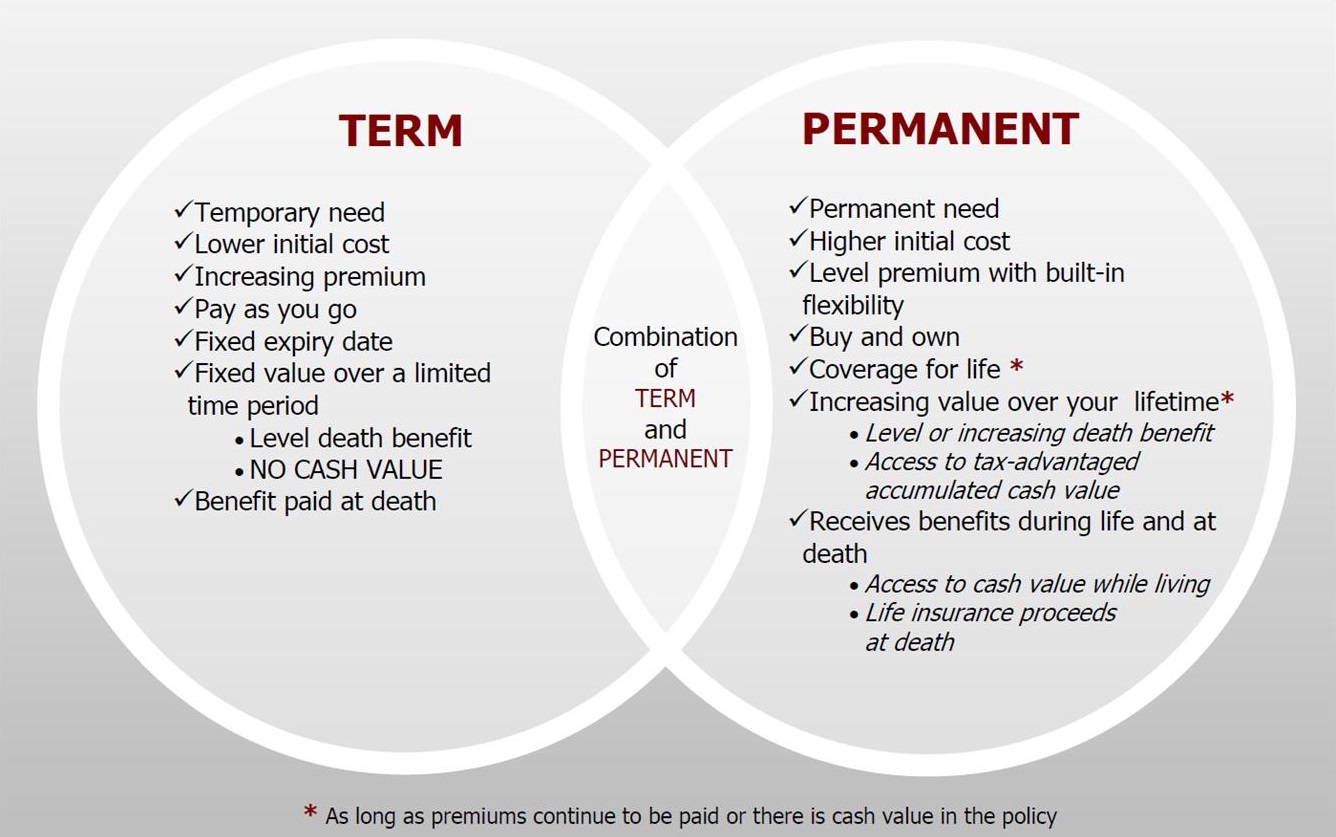
Term life insurance provides a “death” or “survivor” benefit, which is the amount beneficiaries receive if you pass away, for a certain period of time (15, 20 or 30 years are common increments), after which the coverage ends. An alternative solution would be to adopt cash value life insurance, which similarly provides a death benefit, but will grow over the years as long as you continue to fund the policy. Furthermore, cash value life insurance can help with financial obligations in a tax-advantaged way, whether it is paying for college, a business venture or retirement. These policies are generally more expensive, but can make a lot of sense if you are able to commit to regularly funding the policy.


Concern

Mistake #4 – Leaving retirement savings vulnerable

If you do not have any/enough life insurance, your family is likely to look to your retirement savings for financial support. This may seem like a safe solution for finding additional resources, but I would advise against using funds saved specifically for retirement for another purpose. If you are the higher earner in the family, your spouse may have been relying on those savings for his or her own retirement. Similarly, if your spouse is forced to liquidate or take large loans from the retirement account, it will hurt the potential long-term investment gains that would have benefitted your family down the road. It is important that the money you are saving is allotted for different goals – from life insurance to retirement – so that you are making the most of each savings opportunity.


Life-insurance-blog-post-150915

Mistake #5 – Guessing on how much life insurance you need

Many people who walk into my office have no idea how much life insurance they need. Is it five times annual salary? Ten times? Some other figure? There are many factors to take into account to figure out how much life insurance is right for you. Often this is where a financial professional can really help with the process. We can help quantify how much and what type of insurance makes the most sense for you and then help get that coverage in place. There are also many online calculators available to use as a starting point.

At the end of the day, we all just want to know that our loved ones will be taken care of after we’re gone. I have seen firsthand the peace of mind a life insurance policy can deliver. So this month, as life speeds up again, take a few minutes to pause and think about the future. Life Insurance Awareness month may only last 30 days, but a good policy will last for years to come!


7 Ways to Transform Your Money Mindset


The level of abundance in your life in any area (love, friendship, success or finances) is a reflection of your inner state — what you hold in your mind and heart.

Want to create a healthy and loving wealth consciousness? Here are seven ways to transform your money mindset.

1. Forgive your past.

So many of our unquestioned beliefs and behavior patterns today around money are simply things we picked up at childhood or our past. They are not true and they don’t serve our highest good.

Forgiveness is a way to release them from our heart and energy field, so we are no longer blindly re-creating the same patterns and keeping ourselves stuck at the same level of abundance.

Grab a piece of paper and write down all of the painful memories you have around money –involving your parents, lovers, bosses or even yourself — that make you feel icky, stressed, anxious or frustrated.

Now, go through your list and practice forgiveness until you release the negative charge from each memory. You could try:

(a) Using a mantra such as: I forgive you. I’m sorry. I love you.

(b) Placing your hand on your heart and simply letting yourself feel the emotions that arise — giving yourself permission to feel them fully without attaching a mental story to them. Often as you let your feelings rise and observe them without judgement, they will naturally dissolve.

(c) Having compassion. Maybe your parents fought in front of you or didn’t have enough money and it caused you pain, but they were doing their best from their level of awareness — and they were probably re-creating the patterns they had learnt when they were children. Everyone is a divine loving inner spirit deep down — sometimes our true nature just gets temporarily obscured, like a cloud covering the sun.

2. Change your story.

The poet Rumi once said: “This world is like a mountain. Your echo depends on you. If you scream good things, the world will give it back. If you scream bad things, the world will give it back.”

He is referring to the Universal law of creation. Your inner world (thoughts, beliefs and feelings) creates your outer reality.

Do you find yourself saying or thinking things like: I’m so broke… Making money is hard… I’m always down to my last dollar… I never have enough… Wanting money is bad or greedy…?

Try changing your story around money. Start saying and thinking things like: I’m so blessed… I have everything that I need… the Universe always takes care of me… I give to the world and I receive… it is safe for me to have abundance… I am provided for.

3. Open your mind to infinite possibilities.

When it comes to manifesting, your logical mind can be your worst enemy.

It has a limited capacity to think beyond what it already knows, and it can be quick to tell you things like: Well, you can’t earn more from your current job, so receiving more money is, frankly, impossible.

When you have unexamined assumptions that you can only receive money in certain pre-determined ways — like a pay cheque from a day job — you block the Universe from finding other amazingly creative ways to bring you abundance.

Begin asking the Universe: What would it take for more money to flow to me? What would it take for me to get paid for being me? What would it take for creative ideas to come to me?

4. Practice gratitude.

The world is a reflection of you. When you look around your life and see and feel lack, the Universe receives the message to send you more lack.

So many of us suffer from a condition called Onlyness. We look at our bank balance and think: I only have $42. We look at our wardrobes and think: I only have these clothes to choose from. We look at our lives and think: I only have this much love, friendship, success, wellbeing or happiness.

When you start looking around your life and seeing everything as evidence of abundance, and feeling thankful and deeply grateful, the Universe sends you more abundance.

Look at your bank balance and think: Wow, I have a whole $42 to spend, that’s awesome. Look at your wardrobe and thank: Wow, I have warm clothes for my temple, how amazing is that? Look at your life and think: Wow, I already have this much love, friendship, success, wellbeing and happiness, and I am excited for even more. I am so grateful to be alive, adventuring in time and space, and I am going to soak up and appreciate every moment.

Bless your money as it goes in and out of your life. Bless it as you buy something as simple as your morning coffee. Pause and give thanks to the Universe for providing so much for you.

5. Create space.

When your life is full to the brim with old energy, memories and clutter, you are not symbolically or energetically creating space for abundance to come into your life.

Do a life assessment — look lovingly and honestly at your home, possessions, bank balance, love life, friends, career, leisure time, wellbeing and lifestyle.

Where are you not being true to your heart, soul and values? What needs to go in order for you to feel freer, lighter and liberated?

The more you remove anything that no longer serves you, the more space you create — physically and emotionally — for new people, opportunities and abundance to flow into your life.

6. Know your worth.

You are a divine spiritual being having a human experience.

You are the Universe experience itself through you. Your creator desires for you to experience endless happiness, peace and fulfillment.

Until you know your true nature and worth, you will probably experience feelings of guilt and doubt around receiving and abundance.

When you wake up to who you really are, you begin to realize that you are not here just to struggle and survive – you are here to love, create, expand and thrive.

7. Take small steps to cultivate the feeling of abundance.

Abundance is not a number on a bank statement, a large house or a luxury holiday. Abundance is a feeling.

Think about what abundance means to you. Does it mean freedom? Does it mean generosity? Does it mean indulgence?

When you know what abundance means to you, you can start taking baby steps to cultivate the feeling of abundance on a daily basis.

You can do this through visualization (imagining your dreams already being real) or by looking around your life and coming up with creative ways to feel the way you want to feel.

Maybe you feel abundant when you: spend a whole hour with a good book and a glass of wine; cook dinner for friends; have freshly washed hair and wear your favorite outfit; or carry a $100 note in your wallet. Start doing these small actions more often.

When you create the feeling of abundance within you, the Universe will pick up your new signal and start bringing you circumstances to match your new vibration.

Elyse Santilli Writer and life coach at NotesOnBliss.com, your guidebook to happiness and creating a beautiful life

Elyse is a writer, life coach and happiness teacher at NotesOnBliss.com and the creator of the Beautiful Life Bootcamp online course. She teaches people to align with their inner spirit, design a life they love, and expand their happiness and inner peace. For updates and inspiration, sign up now.

Here’s How Many Jobs U.S. Companies Cut In September

The computer industry was hit hard.

Last month saw a surge in layoffs, primarily due to large-scale employee cuts at companies like Hewlett-Packard.

U.S. companies laid off 58,877 workers in September, according to data released Thursday by Challenger, Gray & Christmas. September layoffs are up 43% from August when about 41,000 workers were let go.

In total, employers have announced 493,431 planned layoffs so far this year, a 36% jump over the same period last year and 2% more than the 2014 total.

“Job cuts have already surpassed last year’s total and are on track to end the year as the highest annual total since 2009, when nearly 1.3 million layoffs were announced at the tail-end of the recession,” said John A. Challenger, CEO of Challenger, Gray & Christmas.

The computer industry accounted for the heaviest job cuts in September primarily driven by Hewlett-Packard, which said it would cut 30,000 jobs. The job losses, which were announced in mid-September by CEO Meg Whitman, should save the company $2.7 billion annually and represented about 10% of the company’s workforce, HP said.

Source: Here’s How Many Jobs U.S. Companies Cut In September