There are certain things in life that move quietly, so quietly that unless you’ve lived inside them, you may never recognize they exist at all.
Color is one of those things.
For many people, color has always functioned as a matter of preference. It is seasonal, aesthetic, expressive. It is chosen because it feels right, looks appealing, or fits a particular vision. It exists without weight. Without history. Without the need for deeper consideration.
But that experience is not universal.
For Black women in particular, color has never been entirely neutral. It has operated within a longer visual and cultural history, one that shaped not only how they were seen, but how they were expected to be seen. Throughout the late nineteenth and early twentieth centuries, Black women were frequently depicted through narrow archetypes that prioritized recognizability over individuality. The “mammy” figure, which appeared in minstrel performances, advertising, and commercial branding, was not only defined by exaggerated features, but by deliberate visual contrast. Darker skin tones were often paired with lighter garments, aprons, headwraps, and pastel shades, not to enhance, but to create distinction. The goal was not aesthetic harmony. It was legibility within a stereotype.
This pattern did not end there. Early film and television carried these visual conventions forward, often presenting Black women in roles where styling choices reflected function rather than care. Costuming emphasized contrast and clarity over nuance, reinforcing a visual language in which Blackness was something to be highlighted rather than thoughtfully complemented. Even within animation and commercial imagery, similar principles persisted, relying on simplified palettes and exaggerated contrast to maintain familiarity rather than authenticity.
Over time, these choices became less visible as deliberate acts and more embedded as norms. Yet their influence remained. They informed how color interacts with perception, how certain shades sit on different skin tones, and how individuals come to understand what enhances them versus what diminishes them.
As a result, what appears to be a simple decision for some carries a different weight for others. Choosing a color is not always just about liking it. It can be about whether that color reflects you accurately, whether it complements your tone, whether it allows you to feel fully present rather than visually flattened or overlooked.
For those who have never had to consider this, color remains uncomplicated. It moves freely, untouched by history or expectation. That absence of friction is not something most people are taught to notice.
But it is, in itself, something.
Because the difference is not in the color.
The difference is in the experience of having to think about it at all.
The American economy is entering its most dangerous phase since the financial crisis of 2008.
Not because of a market crash.
Not because of a banking collapse.
But because the forces that produce stagflation are quietly aligning once again.
Oil prices have surged to nearly one hundred dollars per barrel as tensions in the Middle East threaten one of the most important energy corridors in the world. At the same time job growth has stalled, inflation remains stubbornly above the Federal Reserve’s target, and American households are carrying record levels of debt. CNBC recently reported that economists are increasingly worried the United States could face a renewed stagflation threat reminiscent of the economic shocks that gripped the country in the 1970s.
For many Americans the warning signs are already visible.
Gasoline prices doubling overnight. Grocery bills being placed on credit cards. Credit card balances exceeding 10% of monthly income. Car repossession rates at record highs. These are not isolated economic signals. They are symptoms of a deeper tension within the economy itself.
Stagflation is one of the most difficult economic conditions a country can face. It combines two forces that normally do not appear together. Prices continue to rise while economic growth slows. Workers struggle to find better opportunities while the cost of living keeps climbing. Governments and central banks are forced into painful choices because the policies that solve one problem often make the other worse.
The current economic environment is beginning to reflect that dangerous balance.
Energy markets sit at the center of the risk. Oil is not just another commodity. It is the foundation of transportation, agriculture, manufacturing and global trade. When oil prices rise, the effects cascade through the entire economy. Shipping becomes more expensive. Airlines raise ticket prices. Food costs increase as fertilizer and transportation become more costly. Nearly every sector eventually absorbs some portion of the shock.
The recent surge toward $100 oil was driven largely by geopolitical tension in the Middle East. According to CNBC reporting, disruptions in energy supply routes and fears surrounding the Strait of Hormuz have rattled markets and raised concerns that the price spike could persist. Even a temporary surge in oil prices can have significant ripple effects. A prolonged increase can become a full-scale economic shock.
At the same time the labor market is beginning to show signs of fatigue.
The U.S. economy lost 92,000 jobs in February while unemployment ticked upward to 4.4%. Job growth throughout the past year has slowed considerably compared with the stronger recovery period that followed the pandemic. Hiring has weakened while layoffs remain relatively limited, creating a labor market that appears frozen rather than collapsing.
This type of stagnation is precisely the environment that allows inflationary pressures to linger.
Core inflation remains near three percent, well above the Federal Reserve’s two percent target. While inflation has cooled from the extreme levels seen earlier in the decade, the reality for most households is that prices have not returned to previous levels. Instead, the cost of living has permanently reset higher.
Housing, insurance, healthcare and food continue to place increasing pressure on household budgets.
Consumer debt levels reveal how families are coping with that pressure. Americans now carry more than seventeen trillion dollars in total consumer debt. Credit card balances alone exceed one trillion dollars. As interest rates remain elevated, the cost of servicing that debt continues to rise.
This creates a dangerous feedback loop. When prices remain high and wages struggle to keep pace, households often rely on credit to maintain their standard of living. But higher borrowing costs make that strategy increasingly unsustainable over time.
The Federal Reserve now faces the same policy dilemma that defined the stagflation era decades ago.
Lowering interest rates could stimulate economic activity and ease borrowing costs for households and businesses. However, such a move risks fueling inflation at a moment when energy prices are already rising. Keeping rates high may help restrain inflation, but it could also slow hiring and investment further.
Economists often describe stagflation as the worst possible economic environment for central banks because every policy choice carries serious tradeoffs.
Financial markets are already adjusting their expectations. Investors had previously anticipated multiple interest rate cuts this year as growth slowed. The recent oil shock has complicated that outlook. Markets now expect the Federal Reserve to delay easing policy as officials assess whether inflation could accelerate again.
The situation places policymakers in an increasingly narrow corridor.
Too much stimulus risks reigniting inflation. Too little support risks pushing the economy into a deeper slowdown.
History offers a cautionary lesson. During the 1970s the United States endured years of persistent inflation combined with weak growth and rising unemployment. Oil shocks, global instability and loose fiscal policy combined to create a prolonged period of economic frustration. Wages lagged behind prices while economic confidence eroded.
Today the circumstances are different, but the pressures share familiar characteristics.
Large government deficits continue to expand the national debt. Geopolitical tensions threaten energy markets. Households rely increasingly on debt as living costs rise. Central banks attempt to balance inflation control with economic stability.
None of these forces alone guarantees stagflation. Together they create the conditions in which it becomes possible.
The greatest risk may not be an immediate economic collapse. Instead, the danger lies in a prolonged period of slow growth combined with persistent inflation. In such an environment economic progress becomes harder to achieve while financial pressure quietly builds across society.
For ordinary Americans the effects would not appear first in financial headlines.
They would appear in everyday life.
Rising car repossessions. Higher fuel costs. More expensive groceries. Rising interest payments. Rising foreclosures. Rising evictions. Slower wage growth.
These pressures accumulate gradually until households begin to feel that the economy itself is becoming more difficult to navigate.
The coming months will determine whether the current warning signs fade or intensify. If geopolitical tensions ease and energy markets stabilize, the economy may continue its uneven but resilient expansion. If oil prices remain elevated and growth continues to slow, the United States could find itself confronting the most complicated economic challenge of the modern era.
Stagflation rarely arrives with dramatic warning signs.
It emerges quietly, through the slow alignment of forces that gradually reshape the economic landscape.
Many economists now believe that alignment may already be underway.
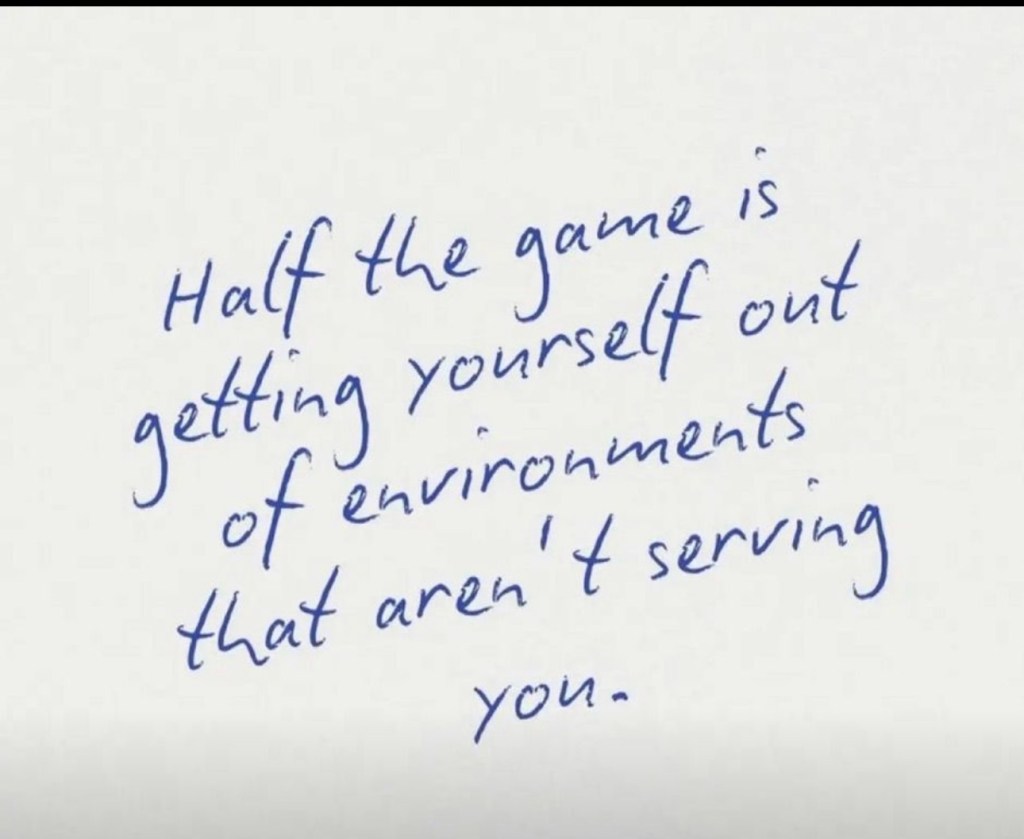
We tell ourselves that success comes from more effort and more time. That belief still matters. Yet in 2025 another truth is just as important. Half the game is choosing where you spend your effort in the first place. Sometimes the smart move is to walk away.
The labor market is reshaping itself in real time. Generative AI tools now handle work that once kept whole teams busy. Companies are reorganizing to chase efficiency and speed. Leadership teams are under pressure to do more with fewer people. Global talent markets are wide open. H1B holders bring real skill and many firms are recruiting globally before they look locally. None of this is a moral judgment. It is the environment. In this environment staying put out of habit can become the most expensive decision you make.
Silent quitting defined the last few years. People stayed but pulled back. In 2025 the bigger risk is silent stagnation. You keep delivering while the org chart keeps shifting. Systems take over routine tasks. Budgets move to automation and to roles that can scale. If your seat does not compound your skills or your network, the clock is already ticking even if you cannot hear it.
Walking away is not drama. It is strategy. The question is simple. Does this role increase your value twelve months from now. If the honest answer is no, the cost of loyalty is too high. Loyalty to your future is the only loyalty that compounds.
To evaluate your situation ask yourself whether the outcomes you deliver are unique to your skill set or whether a model could replace them. Consider whether the learning curve in your current role is still steep or if you are repeating cycles that add little to your future. Reflect on whether your work places you near decision makers or keeps you locked in execution only. And finally, consider whether the relationships you build today will serve you tomorrow. These questions offer quiet clarity that no performance review will provide.
Leaving does not always mean quitting your employer. It can mean walking away from the wrong team, the wrong leader, the wrong product line, or the wrong client mix. It can mean seeking roles that sit beside the machines rather than beneath them. Human judgment, trust building, original insight, and accountable ownership remain scarce. Aim your career at the work that needs a signature, not just a keyboard.
The H1B debate is loud this year and will stay loud. The best response is not resentment. It is readiness. Build competencies that translate across industries. Learn the tools that drive your field so you can direct them rather than compete with them. Grow relationships that outlast any single title. When your value is clear and portable you will not fear any policy cycle.
For leaders the message is just as direct. People are watching how you treat them during this transition. If you use AI to strip away meaningful work without creating new ladders, your best people will exit first. If you invest in upskilling and in clear career paths, your organization will retain its core talent and attract more. Markets reward firms that act with clarity and care at the same time.
The choice to walk away is never easy. It asks for courage and a clear view of the road ahead. Yet the market is telling the truth every day. Growth rarely happens in places that mute your voice or drain your energy. If the room you are in no longer fits the person you are becoming, it is time to leave the room.
In 2025 the winners will not be those who simply grind harder. They will be those who choose their arenas wisely and walk away when the environment no longer deserves them.
Many of us do not realize that private equity firms has always been about extraction, not creation. The model is simple. Borrow heavily, buy a company, slash jobs and benefits, sell off assets, and walk away with fees long before the damage shows. Communities are left with shuttered stores, abandoned buildings, bankrupt chains, and broken promises.
The list of casualties is long. Toys “R” Us was loaded with more than $5 billion dollars in debt by Bain Capital and KKR before it collapsed, taking 30,000 jobs with it. Payless ShoeSource closed its doors, erasing 18,000 jobs. J. Crew, Gymboree, Shopko, Forever 21, and Sears each followed the same path. Behind nearly every failure was a private equity deal that turned once-profitable companies into vehicles for debt. Blackstone, the largest of them all, drew criticism for gutting nursing homes and rental housing, where residents and tenants bore the consequences. Carlyle, Apollo, and Sycamore Partners engineered deals that enriched executives while leaving behind bankruptcies across retail, energy, and health care.
The damage has never been limited to debt. Private equity firms extract billions in fees on top of what they load onto companies. They sell the land and buildings, forcing the very businesses they own to pay rent back to them. In franchise models, they skim off royalty payments while cutting services and staff. They charge management fees to companies they already control, ensuring that even if a business fails, the firm still profits. These practices are not side effects. They are the business model.
For years the system ran on cheap money. With interest rates near zero, debt was abundant and investors were eager. Firms could buy, bleed, and flip companies in two or three years. That era is gone. Interest rates now sit above five percent. Debt costs more, buyers are scarce, and the IPO market has dried up. Firms are stuck holding companies that are drowning under the very leverage designed to enrich their owners.
The numbers are staggering. Nearly $12 trillion dollars in private equity assets now sit unsold. Exit activity has collapsed more than 70 percent since 2021. To raise cash, firms are borrowing against their own portfolios with NAV loans or dumping stakes at steep discounts on the secondary market. Even the giants like Blackstone, KKR, Apollo, Carlyle, Bain are stuck with bad debt no one wants. They cannot sell, yet their investors are demanding cash.
The quiet truth is that these firms are already maneuvering for Washington’s help. During the 2008 financial crisis, banks and insurers were rescued with taxpayer dollars. Private equity, which profited handsomely off that same collapse, is positioning itself for similar treatment.
This is not just an elite problem. It is a national one. When private equity runs out of road, it is not the billionaire partners who suffer. It is the workers whose jobs are cut, the retirees whose pensions cannot meet obligations, the students whose tuition rises because endowments cannot keep pace, and the taxpayers who are asked to backstop the system.
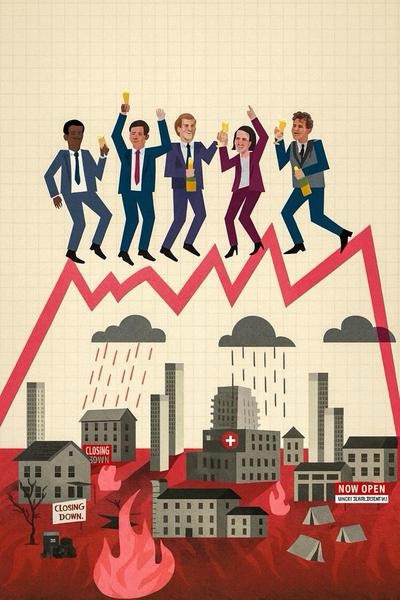
The parallels to 2008 are frightening. Then it was mortgage backed securities. Now it is unsellable companies and illiquid funds. In 2008, families lost homes and jobs while Wall Street was saved. Today the scale is even larger. With trillions in assets frozen, the next bailout could dwarf the last one.
Meanwhile, private equity’s destruction also extends into America’s hospitals and nursing homes and people are paying with their lives. Studies show that Medicare patients undergoing emergency surgeries in private equity–owned hospitals are 42 percent more likely to die within 30 days compared to those treated in community hospitals . A nationwide study found infections, falls, and other preventable adverse events increased following private equity takeovers of hospitals . Even the U.S. Department of Health and Human Services condemned the impact, warning that private equity ownership of nursing homes led to an 11 percent increase in patient deaths .
Recent reporting shows the financial calculus behind these tragedies. Nursing home operators in New York’s Capital Region diverted Medicare and Medicaid funds through inflated rent and bogus salaries. That left facilities chronically understaffed and suffering neglect so severe that it led to cases of serious injury and death .
By turning hospitals and nursing homes into profit centers rather than care centers, private equity firms aren’t just bankrupting businesses, they are literally killing people. And when that business model collapses, it will be everyday Americans who pay the cost once again.
The message is not subtle. If private equity’s gamble fails, the richest players will once again be saved. For ordinary Americans, the reckoning will look like it always does. Lost jobs. Higher taxes. Vanishing pensions. Rising tuition. And another generation paying for someone else’s greed.
This is the American cycle. The profits are privatized, the losses are socialized, and working families are forced to carry the cost.
A young boy stands amid mountains of discarded clothing and plastic waste on Ghana’s Chorkor Beach
Accra, Ghana –
The beaches of Ghana should be sanctuaries. Places where waves kiss the sand and children play in peace. But on the shores of Chorkor Beach, the tide doesn’t bring seashells. It brings sweaters from Shein, leggings from Lululemon, and Target tees soaked in salt and filth.
Week after week, a deluge of secondhand clothing arrives in Ghana from the United States, the United Kingdom, and other industrialized nations. Billed as “donations,” these shipments are not gifts. They are refuse. They are the castoffs of a culture addicted to overconsumption and numbed to consequence.
Ghana receives roughly 15 million garments a week, much of it dumped by consumers who believe they’re “doing good” by donating to local bins outside of Walmart or church parking lots. In reality, 40 percent of these clothes are unusable trash, exported to West Africa in bulk and eventually dumped, burned, or strewn across the coastline. Kantamanto Market in Accra, once a center of textile trade and reuse, has become overwhelmed and swamped by low-quality fast fashion designed to fall apart before its first wash.
“We are drowning in your clothing,” said a local vendor in a recent BBC Africa Eye documentary. “These aren’t donations. They are poison.”
This isn’t hyperbole. Synthetic fabrics, often polyester, don’t biodegrade. They clog drains, suffocate marine life, and release microplastics into the ecosystem. Some are so contaminated with dyes and industrial chemicals that simply burning them chokes nearby residents. Because Western brands outsource both the problem and the blame, few Americans ever witness the wreckage.
The Cult of the New
American corporations drive this destruction through a business model of planned obsolescence and psychological manipulation. Fast fashion giants like Shein, Fashion Nova, Boohoo, and H&M churn out hundreds of new styles weekly. And we buy them. On impulse. To feel something. To impress no one. To post once on social media and then forget.
A 2023 Vogue Business investigation reported that the average American throws away 81 pounds of clothing per year. That’s nearly 13 billion pounds of textile waste, most of which is either burned or exported. Out of sight. Out of mind.
The 2024 HBO documentary Brandy Hellville and the Cult of Fast Fashion peeled back the curtain on this global racket, revealing how corporations knowingly flood developing nations with clothing that cannot be sold, recycled, or reused. These companies profit from both ends of the pipeline, selling cheap clothes and then writing off their “donations” for tax breaks.
But in Ghana, the beaches tell the truth. Children walk barefoot through piles of wet fabric. Fishermen cast their nets into waters tangled with discarded bras and sweaters. Clothes meant for dignity now strip the land of its own.
Stop Pretending It’s Helping
The problem is systemic, but it starts at home.
Donating clothes in bins is not inherently virtuous. In fact, it’s part of the illusion. The vast majority of those clothes don’t go to shelters or local families. They are sold in bulk to global brokers who profit off Africa’s environmental misery.
We are not helping. We are offloading guilt.
The solution cannot be just more donation or wishful recycling. It begins with consuming less. Buy intentionally. Wear things longer. Mend. Repurpose. Swap. Or better yet, just don’t buy unless you need to. The world doesn’t need another $9 tee you’ll forget in a week.
And for the clothes that have truly reached their end? Perhaps it’s time to explore municipal incineration, compostable textiles, or clothing deposit programs where manufacturers are held financially responsible for their waste. We regulate plastic straws more than we regulate stores like Forever 21, H&M, and Walmart.
A Final Reckoning
Americans, if we do not change, beaches like Chorkor will disappear, buried under the weight of our vanity and excess. What once were coastal communities tied to fishing, family, and resilience are now becoming textile graveyards. The soil is dying. The water is choking. The air burns with the fumes of our unwanted clothes that takes 200 years to naturally decompose.
This is no longer just about fashion. It’s about justice.
Because let’s be honest: we know who’s responsible.
The responsible parties include: Shein, H&M, Zara, Forever 21, Fashion Nova, Boohoo, PrettyLittleThing, Temu, Target, Walmart, Old Navy, Uniqlo, Gap, Amazon’s in-house brands, and countless Instagram and Tik Tok shops. These corporations flood the global market with billions of garments each year. Their business model thrives on overproduction, cheap labor, and psychological manipulation. They manufacture the illusion of need. They sell you a fantasy of trendiness and self-expression at the cost of someone else’s environment and dignity.
And we, the consumers, buy in. Often literally.
Every impulse buy, every “haul” video, every $5 tee or $10 dress contributes to a planetary cycle of destruction. We wear it once, toss it in a bin, and tell ourselves we did something good by “donating.” But we’re not recycling. We’re relocating the problem. Our discarded clothes are not going to those in need. They’re going to countries like Ghana, Kenya, Chile, and Haiti, nations without the infrastructure to process the sheer volume of waste we produce.
Because the truth is: your closet might be clean, but someone else is paying the price for it.
And they’re paying with their soil, their seas, and their breath.
We need a global reckoning. Not just with corporations, but with ourselves.
Buy less. Buy better. Demand accountability. Push for laws that make brands responsible for the full life cycle of their products.
Until we stop treating clothing as disposable, we will continue to treat people the same way.
Boys play in the sea diving off a pile of clothing found washed up on the beach at Jamestown, Accra(Image: Adam Gerrard / Daily Mirror
BlackRock doesn’t just own parts of Apple, Microsoft, and Amazon. It owns your food supply. It owns farmland. It owns water infrastructure. And through those investments, it owns a growing stake in the future of human survival itself.
What began in 1988 as a modest Wall Street firm built on risk management is now the largest asset manager in human history. BlackRock controls over $11 trillion , which is larger than the GDP of every country in the world except the United States and China.
But what most people still don’t realize is that BlackRock’s most important power grab didn’t happen on Wall Street. It happened quietly, across America’s farmland, its food systems, and its natural resources.
How Did We Get Here?
BlackRock’s expansion strategy was never about flashy takeovers. It was about ownership without attention. They don’t need to buy entire companies when they can buy enough shares to influence them all.
Through complex index funds and ETFs (Exchange-Traded Funds), BlackRock has quietly become a top shareholder in nearly every major corporation in America. Coca-Cola. PepsiCo. Kraft Heinz. Nestlé. Tyson Foods. Monsanto-Bayer. Even the companies that compete with each other are often owned by the same hand, BlackRock.
That includes food production, packaging, seeds, fertilizers, pesticides, farmland, water rights, grocery store chains, and agribusiness suppliers.
It is a spider web so vast that very few industries operate outside of its reach.
Farmland: The New Oil
In recent years, farmland has quietly become one of the hottest investments among America’s wealthiest. But few players have been as aggressive as BlackRock and its peers like Vanguard and State Street.
Why Farmland you may ask?
Simple. Land produces food, controls water access, and holds its value against inflation. In a world of uncertainty, farmland is power.
BlackRock has invested in farmland directly and indirectly through real estate investment trusts (REITs) like Farmland Partners and Gladstone Land Corporation. In some regions, institutional investors now own an estimated 30-50% of all available farmland.
For local farmers like Paul Rettler, this creates an impossible game that no one can win. Competing against trillion-dollar firms backed by infinite capital means the consolidation of agriculture isn’t slowing down, rather it’s accelerating.
The ESG Illusion
Much of BlackRock’s public messaging has centered around ESG, which stands for: Environmental, Social, and Governance investing , a framework designed to steer money toward sustainable and ethical practices.
But behind the marketing, ESG has often allowed BlackRock to reshape industries while still investing heavily in the very corporations most responsible for environmental harm.
Larry Fink, BlackRock’s billionaire CEO, has framed ESG as both a moral obligation and a business necessity. Yet BlackRock remains one of the largest shareholders in fossil fuel giants, industrial agriculture companies, and food manufacturers responsible for deforestation and soil degradation.
As environmental groups have pointed out daily, BlackRock has the ability to change the food system overnight. But profit almost always wins over principle and we have seen this outcome time and time again.
So What Does BlackRock Want?
It’s simple: Control. Influence. Permanence.
The more essential needs a company controls such as food, water, housing, energy, the less it matters who holds political office. Ownership is the real power.
When a handful of corporations control the basic elements of survival, the public becomes renters of everything, including their health, their homes, and their future.
This is the world being built right in front of us.
Water rights in California. Farmland in the Midwest. Global seed patents. Packaging monopolies. Shipping routes. Grocery store chains. Pharmaceutical partnerships. Tech platforms controlling communication.
This is not just about selling products.
This is about owning life itself.
So what can everyday people do?
Waiting for a politician to fix this system is like waiting for a thief to return what they stole. It is not going to happen.
But the answer is not fear. The answer is awareness. The answer is action.
It starts with taking back control wherever you can.
Buy from local farmers when possible. Grow your own food even if it is just herbs in your kitchen window. Filter your water. Cook your own meals. Learn how to read ingredient labels. Support local businesses over corporations when you can.
Most importantly, do your own research. Step outside of Google, mainstream media, and the same recycled talking points coming from media companies owned by the very corporations profiting from your confusion.
Seek independent sources. Read books. Listen to people on the ground, not just those in boardrooms. Question convenience when it comes at the cost of your health.
Learn how to be less dependent on the systems designed to keep you dependent.
Because at this point, we cannot wait for RFK. We cannot wait for politicians. We cannot wait for the same people who helped build this system to suddenly tear it down.
We have to start building something different starting in our homes, in our families, in our communities.
Not because it is trendy.
But because survival has always belonged to the people willing to think for themselves, take responsibility for their lives, and protect their future by any means necessary.
The dawn of generative artificial intelligence (AI) is not merely a technological milestone but a transformative force poised to touch every corner of our lives, reshaping the fabric of our world. Imagine a future where AI-driven systems enhance learning experiences in classrooms from rural villages to urban centers, personalize healthcare treatments globally, and revolutionize businesses, driving unprecedented innovation and efficiency. The potential for AI to create new opportunities and solve complex problems is immense, making it a topic of critical importance for everyone from tech enthusiasts to policymakers, but most importantly for everyday citizens.
A Revolution in Our Society
Generative AI has begun to alter the societal landscape significantly. Major advancements by platforms like OpenAI’s ChatGPT and Google’s Gemini Advanced demonstrate AI’s capabilities in creating human-like text and solving complex problems. These tools are increasingly integrated into customer service, content creation, and strategic decision-making processes. According to McKinsey, over 55% of organizations now use AI in at least one business unit, up from 20% in 2017 .
This surge in adoption highlights the tangible benefits of AI, such as cost reductions and revenue increases. For instance, the use of AI in human resources has led to significant cost savings, while its application in supply chain management has boosted revenues by over 5% . However, this rapid integration is not without challenges, as issues like data privacy, intellectual property, and the accuracy of AI outputs remain pressing concerns .
Education: A New Frontier
In the realm of education, generative AI is revolutionizing how students learn and educators teach. AI-driven platforms are providing personalized learning experiences, adaptive testing, and real-time feedback, thereby making education more accessible and tailored to individual needs. Google’s Gemini Advanced, for example, can create interactive learning modules that adapt to a student’s progress, enhancing engagement and retention.
According to UNESCO, the thoughtful integration of AI into education systems can support lifelong learning and bridge educational gaps by providing resources to underprivileged communities . However, there is a caveat; an over-reliance on technology without adequate human oversight could undermine educational standards and equity.
Business Innovations
Generative AI is also making waves in the business sector, driving operational efficiencies and strategic advancements. Companies are leveraging AI for marketing, sales, product development, and customer engagement. Deloitte’s insights reveal that businesses are moving from pilot projects to large-scale AI deployments, aiming to realize tangible benefits such as improved efficiency and innovation .
AI-driven analytics are enabling businesses to make more informed decisions, ultimately driving growth and competitiveness. For example, AI’s ability to analyze vast amounts of data quickly and accurately helps companies to identify market trends, optimize supply chains, and enhance customer experiences.
Comparing AI Platforms
Different AI platforms bring unique strengths to the table. Here’s a detailed comparison of some leading generative AI tools:
OpenAI’s ChatGPT is exceptional at natural language generation, versatile across multiple domains including customer service, creative writing, and coding assistance. It’s best suited for general-purpose use, especially for enterprises needing versatile AI capabilities.
Google’s Gemini Advanced integrates seamlessly with Google services, providing real-time internet data and robust solutions for data analytics and enterprise applications. It’s ideal for businesses looking for deep integration with Google’s ecosystem, real-time data processing, and enhanced search capabilities.
Apple’s AI system focuses on privacy-centric AI solutions, ensuring secure data management while delivering powerful performance. This makes it a great choice for users and organizations prioritizing data privacy and security.
Microsoft’s Copilot is integrated with the Microsoft Office Suite, enhancing productivity tools like Word and Excel with AI capabilities. It’s perfect for office productivity enhancements, particularly for enterprises that extensively use Microsoft products.
Anthropic’s Claude emphasizes safety and ethical AI use, with a customizable conversational tone and a large context window. It’s best for ethical AI applications and businesses needing secure content generation.
Cohere’s Generate (Command) offers straightforward API integration for text generation, focusing on business use cases like copywriting and data extraction. This tool is well-suited for businesses needing seamless API integration for text generation and analysis.
Midjourney excels at creating artistic and highly stylized images, making it ideal for creative industries and artists looking to enhance their visual content.
DALL·E 3 is easy to use for AI image generation, capable of creating photorealistic and imaginative visuals. It’s best for marketing, design, and any application requiring high-quality images.
These platforms reflect the diverse approaches tech giants are taking to capture the AI market. OpenAI’s emphasis on broad accessibility contrasts with Google’s enterprise-focused strategies and Apple’s commitment to privacy, catering to varied user needs and preferences .
Societal Implications
Generative AI’s societal impact extends beyond business and education. It influences cultural production, healthcare, and even social interactions. AI-generated content, such as music and art, challenges traditional notions of creativity and authorship. In healthcare, AI-driven diagnostic tools and personalized treatment plans are revolutionizing patient care, offering more accurate and timely interventions .
However, these advancements come with ethical considerations. The potential for job displacement, biases in AI algorithms, and the need for regulatory frameworks are critical issues that society must address. Ensuring that AI development is inclusive and benefits all segments of society is paramount.
As generative AI continues to evolve, its role in shaping our future becomes increasingly significant. Whether in classrooms, boardrooms, or everyday life, AI is set to redefine the parameters of possibility, ushering in an era of unprecedented innovation and change.
For more insights on AI and its impact, visit NkoziKnight.com.
As a seasoned travel enthusiast, I’ve experienced my fair share of luxury resorts, but my recent stay at Breathless Riviera Cancun Resort & Spa was truly unparalleled. Nestled between the picturesque Caribbean Sea and the Lagoon of Bahia Petempich, this adult-only paradise redefines the all-inclusive experience with its unlimited luxury approach.
Upon arrival, I was captivated by the resort’s modern design and vibrant atmosphere. The unique layout, featuring three horseshoe-shaped buildings each with their distinct vibe, immediately set the stage for an extraordinary getaway. I stayed in the Xcelerate Junior Suite Swimout Ocean Front King, a marvel of comfort and elegance. The suite’s standout feature was undoubtedly the private pool, offering a serene escape with stunning sea views. Inside, the amenities, including a well-stocked mini-bar, plush seating area, and a sleek flat-screen TV, ensured my every need was met.
The resort’s commitment to high standards was evident in their cleaning practices. From the moment I began planning my trip to my safe journey home, their heightened health and safety measures provided peace of mind, allowing me to fully immerse myself in the experience.
Dining at Breathless Riviera Cancun was a gastronomic adventure. With various dining venues, each meal was an exploration of global cuisines, served in the most enchanting settings. The bars and lounges, pouring unlimited premium spirits, were perfect for evening relaxation and socializing.
The heart of the resort is its vibrant energy and social atmosphere. Whether basking in the tranquility of the xhale club section, mixing and mingling in the energy center, or diving into the excitement of the xcelerate Party Zone, there was never a dull moment. The sparkling social and party pools, set amidst lush landscapes, were the hubs of daytime entertainment and the venues for the resort’s spectacular events and parties.
Breathless Riviera Cancun offers a myriad of activities and experiences, from high-energy events and entertainment to tranquil moments of relaxation, making it ideal for couples, friends, and solo travelers looking to indulge in a lively yet luxurious retreat.
My stay at Breathless Riviera Cancun Resort & Spa was nothing short of extraordinary. The resort’s unique blend of vibrant fun, luxurious accommodations, night parties, and unwavering commitment to guest safety and satisfaction sets it apart as a premier destination in Cancun. Whether you’re planning a romantic getaway, a bachelor or bachelorette party, or simply a much-needed escape from the ordinary, Breathless Riviera Cancun promises an experience that you’ll cherish forever.
Do you dream of a platform that not only sharpens your speaking prowess but also unites you with a community of driven professionals who share your passion? Search no more! Engaging Speakers is the ultimate destination for you. Continue reading to discover how embracing a membership and becoming a Chapter Director with Engaging Speakers can propel your speaking career to unparalleled heights and inspire you to act today.
Join a Supportive Community of Professionals
One of the primary benefits of Engaging Speakers is the opportunity to become part of a diverse and supportive community of professionals. By signing up as a member, you gain access to a network of speakers, entrepreneurs, and business owners who are dedicated to helping one another grow and succeed. This collaborative environment is perfect for fostering new connections and learning from others’ experiences.
Master Your Speaking Skills
Engaging Speakers offers its members numerous opportunities to improve their public speaking skills. With various workshops, webinars, and coaching sessions, you will be able to refine your craft, overcome stage fright, and deliver powerful messages with confidence. As a chapter director, you will have the opportunity to share your expertise with others, enabling you to grow as a speaker and leader.
Enhance Your Visibility and Credibility
Becoming a member of Engaging Speakers not only helps you improve your speaking skills but also increases your visibility and credibility within the industry. As a chapter director, you will have the opportunity to promote your business or brand through Engaging Speakers’ website, social media platforms, and events. This exposure will help you establish yourself as an authority in your field, attracting potential clients and opportunities.
Access to Exclusive Resources and Opportunities
Engaging Speakers offers its members an array of exclusive resources and opportunities. From receiving discounts on professional services to attending exclusive networking events, members enjoy numerous benefits. As a chapter director, you will have the chance to facilitate and organize events, creating opportunities for yourself and fellow members to connect, learn, and grow.
Give Back to the Community
Serving as a Chapter Director with Engaging Speakers is not only about personal growth but also about giving back to the community. By organizing events, sharing knowledge, and supporting fellow members, you will contribute to the overall development of the speaking community. This experience can be incredibly rewarding and fulfilling, as you witness the impact your efforts have on others.
Get Involved Today
Becoming a member and Chapter Director with Engaging Speakers is a game-changer for anyone looking to elevate their speaking career. With access to a supportive community, countless resources, and opportunities for growth, Engaging Speakers sets you on the path to success. Don’t miss out on this fantastic opportunity – sign up today and embark on an exciting journey towards becoming an influential speaker.
To learn more about Engaging Speakers and explore opportunities for involvement, feel free to reach out to us via email at info@engagingspeakers.com or give us a call at 800-689-1277.
Over the past few years, the rise of remote work and the need for social distancing have transformed video conferencing tools like Zoom into a ubiquitous communication platform. While these virtual meetings have enabled people to stay connected and productive, many have also reported feeling excessively tired and sleepy after participating in them. In this article, we will explore the reasons behind this phenomenon, often referred to as ‘Zoom fatigue,’ and discuss ways to mitigate its effects.
Reduced Non-verbal Communication
One of the primary reasons for Zoom fatigue is the inherent limitations of non-verbal communication in video calls. In face-to-face interactions, we rely on a plethora of non-verbal cues, such as body language, facial expressions, and tone of voice, to fully grasp the meaning behind someone’s words. However, video calls make it challenging to perceive these cues, as participants often appear in small windows with limited visibility. This forces our brains to work harder to decipher the information, leading to cognitive overload and, ultimately, fatigue.
Constant Self-awareness
Another factor contributing to Zoom fatigue is the increased self-awareness that comes with being on camera. Many people find it difficult to ignore their own video feed, leading to a heightened sense of self-consciousness. This constant self-monitoring can be mentally draining and may cause feelings of exhaustion.
Lack of Physical Movement
During in-person meetings, participants could move around, stretch their legs, and change their posture. In contrast, video calls often require attendees to remain seated and relatively stationary in front of their screens. This lack of physical movement can lead to stiffness, discomfort, and drowsiness.
Screen Overload
In today’s digital world, many of us spend a significant portion of our day staring at screens. Adding video calls to an already screen-heavy routine can exacerbate eye strain and lead to a feeling of fatigue. Moreover, the blue light emitted by screens can disrupt our circadian rhythms, making it more difficult to fall asleep at night.
Back-to-Back Meetings
In a remote work environment, back-to-back video calls are a common occurrence. Without the natural breaks that come with in-person meetings, such as walking to a different room or engaging in casual conversation, Zoom meetings can become an unrelenting series of virtual encounters. This lack of downtime between meetings can contribute to mental exhaustion and feelings of sleepiness.
Strategies to Combat Zoom Fatigue
Schedule Breaks: Allocate time for short breaks between meetings to allow your brain to rest and recharge.
Encourage Movement: Stand up, stretch, or walk around during video calls to maintain energy levels and reduce stiffness.
Limit Screen Time: Schedule regular screen-free periods throughout your day to reduce eye strain and fatigue.
Use Audio-only Calls: When appropriate, switch to audio-only calls to give your eyes a break and reduce self-consciousness.
Optimize Your Environment: Ensure your workspace is well-lit and ergonomic to minimize physical discomfort and promote alertness.
Zoom fatigue is a real and prevalent issue faced by many people participating in video conference meetings. By understanding the factors that contribute to this exhaustion, we can take steps to minimize its impact and maintain our energy levels throughout the workday.
In a world where we are often expected to put others’ needs before our own, it’s easy to forget the importance of loving and caring for ourselves. Embracing self-love, prioritizing our needs, and practicing self-care are essential to achieving a balanced and fulfilling life. It is important to explore why putting ourselves first is crucial, the significance of being comfortable alone, and the importance of nurturing our mental health. By understanding and applying these principles, we can truly empower ourselves to live our best lives.
The Importance of Self-Love. Loving what is on the other side of the mirror is the first step towards embracing self-care. To truly care for ourselves, we must first accept and love ourselves for who we are, including our imperfections and unique qualities. Practicing self-love fosters a positive self-image, which leads to improved self-esteem, confidence, and overall happiness. Embracing self-love enables us to make better decisions for ourselves, including those that prioritize our well-being and happiness.
The Art of Self-Care. Self-care means prioritizing our needs and ensuring that we’re nurturing our physical, mental, and spiritual well-being. It’s crucial to put ourselves first because we cannot care for others if we do not care for ourselves. Engaging in activities that nourish our bodies, minds, and souls can help reduce stress, boost our mood, and improve our overall quality of life.
The Value of Solitude. Recognizing the value of solitude and learning to be comfortable with being alone is essential. Spending time alone allows us to reconnect with ourselves, explore our thoughts and feelings, and cultivate a deeper understanding of who we are. Embracing solitude also develops a greater sense of self-awareness and self-acceptance. Furthermore, learning to be okay with being alone ensures that we prioritize our well-being, even in moments when we may feel isolated or disconnected from others.
Empowering Ourselves through Mental Health Care. Taking care of our mental health is a vital aspect of self-care. By acknowledging and addressing our emotional and psychological needs, we empower ourselves to face challenges with resilience and strength. Seeking therapy, engaging in meditation or mindfulness practices, and connecting with supportive individuals are all examples of how we can nurture our mental well-being. Prioritizing our mental health allows us to maintain a healthy mindset, empowering us to care for ourselves and others more effectively.
Embracing self-love, prioritizing our needs, and practicing self-care are essential to living a balanced and fulfilling life. Loving ourselves builds a strong foundation of self-esteem and self-acceptance. Prioritizing our needs ensures that we are caring for ourselves physically, mentally, and spiritually. Learning to be comfortable with being alone helps us prioritize our well-being and develop self-awareness. Taking care of our mental health empowers us to face challenges with resilience and strength. Remember, it’s okay to put yourself first and to take the time to care for yourself, because ultimately, we cannot care for anyone else before we care for ourselves.
For more tips on how you can support yourself and those around you with self-care practices, check out these resources:
The rapidly evolving technology landscape is altering the world of work, transforming how organizations operate and the roles that employees hold. Over the next decade, we can expect significant shifts in the United States’ job market, with some careers experiencing exponential growth, while others decline. This blog post delves into the trending careers while exploring the impact of technology on employment and companies across various industries.
Trending Careers: Riding the Wave of Technological Advancements
Healthcare Professionals: As the U.S. population continues to age, there is an increasing demand for healthcare services. This need will fuel the growth of jobs in healthcare, such as physicians, nurses, and other medical practitioners. Technological advancements, including telemedicine, medical devices, and health informatics, will also create new opportunities in the industry.
Data Science and Analytics: With the exponential growth of data, businesses are increasingly relying on data-driven insights to make informed decisions. As a result, data science and analytics professionals will be in high demand, with roles like data analysts, data engineers, and data scientists becoming increasingly important.
Cybersecurity Experts: As technology becomes more sophisticated, the threat of cyber-attacks also grows. Consequently, the need for skilled cybersecurity professionals will continue to rise, ensuring the protection of valuable data and digital assets.
Renewable Energy Specialists: Climate change and sustainable energy concerns are driving the growth of the renewable energy sector. Professionals in solar, wind, and other renewable energy fields will see an increased demand for their expertise as countries transition towards more sustainable energy sources.
Mental Health: The increased awareness and focus on mental health will drive job growth in this sector. Counselors, therapists, and psychologists will be in high demand as society continues to prioritize mental health while using data to treat mental health issues faster.
Technology: The tech industry will continue to flourish, creating jobs in areas like artificial intelligence, machine learning, and cybersecurity as mentioned previously. Specialists in data analysis, software development, and information security will be highly sought after.
The future of work in the United States will be led by a continued shift towards technological careers, healthcare, data and renewable energy. While some industries will see growth, others will decline, and workers will need to be adaptable and flexible in order to stay competitive. As technology continues to evolve, it will be critical for workers to develop new skills and expertise in order to stay relevant and valuable in the job market now and in the future.
In today’s world, environmental and ethical concerns have taken center stage. Our choices, both as consumers and producers, have a significant impact on the health of our planet and its inhabitants. As such, there has been a growing emphasis on the importance of using eco-friendly, sustainable, green products that are not tested on animals. In this blog post, we will explore the key reasons why we should adopt these products and practices in our daily lives, and conclude with a summary of the benefits they provide.
Reduced Environmental Impact
The first major advantage of using eco-friendly products is the reduction of our environmental footprint. These products are typically made from renewable, biodegradable, or recycled materials, which means they have a lower impact on the Earth’s resources. By choosing these products, we are not only conserving valuable resources but also reducing waste and pollution.
Healthier Living Eco-friendly products are often free from harmful chemicals and toxins commonly found in conventional products. This leads to a healthier lifestyle as we reduce our exposure to substances that can have adverse effects on our well-being. Moreover, using natural and organic ingredients in products like skincare and cleaning supplies can improve the quality of our lives by reducing the risk of allergic reactions or other health issues.
Animal Welfare
A significant aspect of green products is their commitment to not using animal testing. By choosing these products, we are making a stand against cruel practices and promoting the ethical treatment of animals. There are numerous alternative testing methods that are equally effective and do not cause unnecessary suffering.
Sustainable Living for a Better Future
Sustainable products are developed with a focus on durability and long-term use, which means that they are less likely to end up in landfills. This reduces waste and conserves resources, ultimately leading to a cleaner and healthier environment. Sustainable living also promotes ethical consumption, which can have a positive impact on social and economic aspects of our lives.
What Do We Do Now
The increasing urgency to protect our environment and reduce the negative impact of human activities cannot be overstressed. By choosing eco-friendly, sustainable, and green products, we not only contribute to the preservation of our planet but also support ethical practices that abstain from animal testing. Throughout this blog post, we have discussed the numerous benefits of these products, which include reducing our carbon footprint, conserving natural resources, promoting a healthier lifestyle, and supporting companies that prioritize the welfare of animals and the environment.
As conscious consumers, we have the power to make a significant difference with our choices. By opting for green products and encouraging others to do the same, we can collectively work towards a more sustainable future. This change starts with each one of us making an effort to be informed and responsible shoppers. Together, we can create a cleaner, healthier, and more compassionate world that future generations can inherit and cherish. So, let us strive to make eco-friendly, sustainable, and cruelty-free products the norm, rather than the exception, as we journey towards a greener tomorrow.

















 Nkozi Knight