Knowing When to Walk Away in 2025

By Nkozi Knight

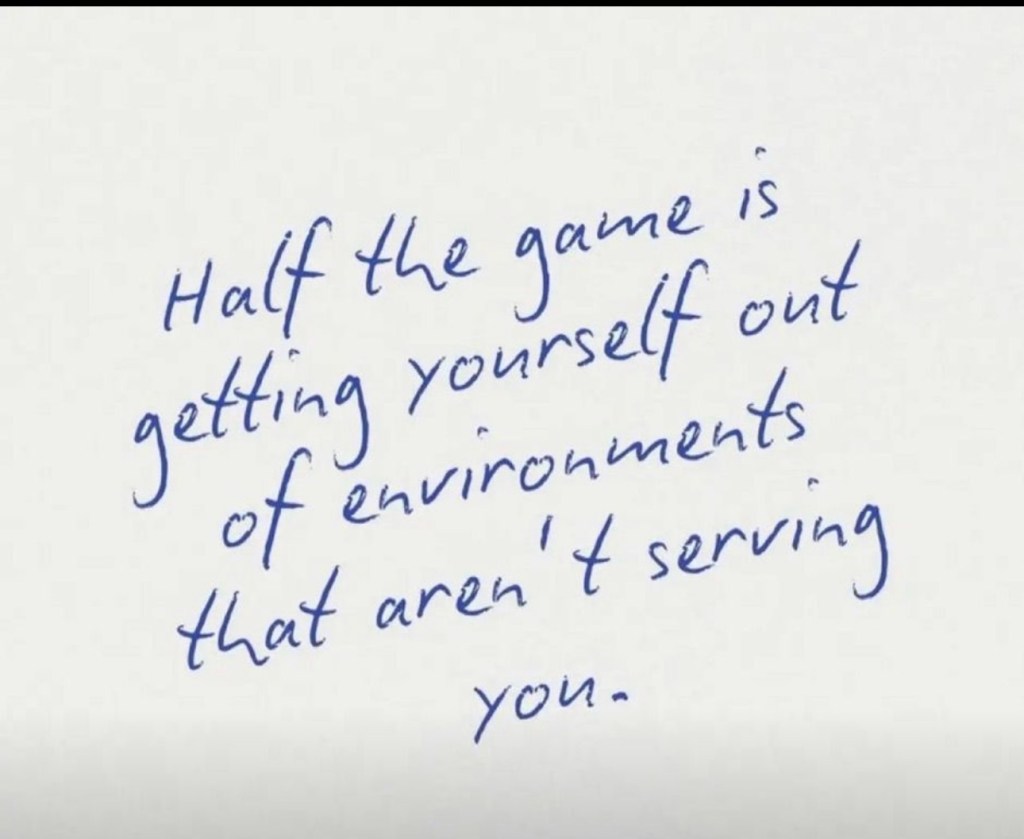
We tell ourselves that success comes from more effort and more time. That belief still matters. Yet in 2025 another truth is just as important. Half the game is choosing where you spend your effort in the first place. Sometimes the smart move is to walk away.

The labor market is reshaping itself in real time. Generative AI tools now handle work that once kept whole teams busy. Companies are reorganizing to chase efficiency and speed. Leadership teams are under pressure to do more with fewer people. Global talent markets are wide open. H1B holders bring real skill and many firms are recruiting globally before they look locally. None of this is a moral judgment. It is the environment. In this environment staying put out of habit can become the most expensive decision you make.

Silent quitting defined the last few years. People stayed but pulled back. In 2025 the bigger risk is silent stagnation. You keep delivering while the org chart keeps shifting. Systems take over routine tasks. Budgets move to automation and to roles that can scale. If your seat does not compound your skills or your network, the clock is already ticking even if you cannot hear it.

Walking away is not drama. It is strategy. The question is simple. Does this role increase your value twelve months from now. If the honest answer is no, the cost of loyalty is too high. Loyalty to your future is the only loyalty that compounds.

To evaluate your situation ask yourself whether the outcomes you deliver are unique to your skill set or whether a model could replace them. Consider whether the learning curve in your current role is still steep or if you are repeating cycles that add little to your future. Reflect on whether your work places you near decision makers or keeps you locked in execution only. And finally, consider whether the relationships you build today will serve you tomorrow. These questions offer quiet clarity that no performance review will provide.

Leaving does not always mean quitting your employer. It can mean walking away from the wrong team, the wrong leader, the wrong product line, or the wrong client mix. It can mean seeking roles that sit beside the machines rather than beneath them. Human judgment, trust building, original insight, and accountable ownership remain scarce. Aim your career at the work that needs a signature, not just a keyboard.

The H1B debate is loud this year and will stay loud. The best response is not resentment. It is readiness. Build competencies that translate across industries. Learn the tools that drive your field so you can direct them rather than compete with them. Grow relationships that outlast any single title. When your value is clear and portable you will not fear any policy cycle.

For leaders the message is just as direct. People are watching how you treat them during this transition. If you use AI to strip away meaningful work without creating new ladders, your best people will exit first. If you invest in upskilling and in clear career paths, your organization will retain its core talent and attract more. Markets reward firms that act with clarity and care at the same time.

The choice to walk away is never easy. It asks for courage and a clear view of the road ahead. Yet the market is telling the truth every day. Growth rarely happens in places that mute your voice or drain your energy. If the room you are in no longer fits the person you are becoming, it is time to leave the room.

In 2025 the winners will not be those who simply grind harder. They will be those who choose their arenas wisely and walk away when the environment no longer deserves them.

Behind Washington’s Latest Bipartisan Marvel: The Quiet Power Grab in the GENIUS Act

Date: Wisconsin, June 28, 2025

When the Senate voted 68-30 last week to pass the Guiding and Establishing National Innovation for U.S. Stablecoins Act, or better known as the GENIUS Act, the moment barely registered in a news cycle crowded with updates from the Diddy trial, ominous talk of World War III, and who does and does have have nuclear warheads a in the Middle East. Yet the bill is poised to reshape American money itself, setting the stage for bank-issued digital dollars and a vastly expanded federal role in everyday payments that will impact every Americans for the next decade.

House leaders now plan to bundle the measure with a separate market-structure bill, the CLARITY Act, and move both to the floor in a single vote as early as the week of July 7. President Trump has already signaled he will sign the package “without delay.”  

A $265 Million Campaign Pays Off

Passage caps the costliest crypto lobbying blitz on record. Industry groups and super PACs spent more than $265 million during the 2024 election cycle, which is nearly double the previous year, to elect crypto-friendly candidates and draft the very language that now governs them.  

Much of that money flowed through Fairshake, a super PAC bankrolled by Coinbase, Ripple and venture fund a16z, which alone poured over $130 million into congressional races. Thirty-three of its thirty-five endorsed candidates won which ties them with AIPAC.

The bill’s corporate sponsors read like a who’s-who of finance:

JPMorgan Chase filed a trademark for JPMD, a deposit-backed token it can now launch on Coinbase’s Base network.   PayPal and several regional banks lobbied for an exemption that lets them issue “payment stablecoins” under state charters.   World Liberty Financial, the Trump-family venture behind the USD1 stablecoin, secured a new $100 million investment from a UAE fund days before the vote.  

What the Bill Actually Does

This bill re-labels stablecoins as “payment systems,” taking them out of securities law and handing primary oversight to the Fed and the Office of the Comptroller of the Currency, creating an aura of legitimacy. It also creates a licensing moat: only banks and “permitted issuers” that meet 1-to-1 reserve, audit and AML rules can mint tokens—locking smaller DeFi projects outside the gate. Mandates monthly disclosures of reserves but allows issuers to hold short-term Treasuries, providing fresh demand for federal debt.   Bars members of Congress and their immediate families from trading stablecoins—but notably leaves the White House exempt. Senator Elizabeth Warren called this “a loophole big enough to drive a truck full of crypto through.”

The Bipartisan Pattern: Crypto and Foreign Wars

The only other legislation that has moved this smoothly across party lines in recent years is foreign-aid spending for Ukraine and Israel. In April 2024 Congress passed a $95 billion package for Ukraine, Israel and Taiwan with overwhelming majorities in both chambers, with all packages hovering over $300 billion in the last 5 years.

Critics argue the same donor class such as defense contractors abroad and crypto financiers at home, dictates both agendas. “If it involves new weapons or new money rails, Congress finds consensus,” says Sarah Bryer, a former Senate banking staffer now at watchdog group Public Citizen. “Everything else stalls.”

What Gets Missed While Washington Innovates

Poverty: The Supplemental Poverty Measure rose to 12.9 percent in 2023, the first increase in a decade.   Homelessness: More than 770,000 Americans were unhoused on a single night in January 2024, the highest count ever recorded.   Disaster Recovery: Communities from Maui to East Palestine still wait on promised federal funds years after their crises. To date the U.S. Congress has held nine hearings but passed no comprehensive relief bills for any of these victims.

Yet lawmakers devoted 18 months of hearings and four mark-ups to ensure banks can mint digital dollars.

A New Architecture for Control

Civil-liberties attorneys warn that putting money on permissioned blockchains invites mission creep. Once every transaction is traceable:

Payments can be geofenced or frozen at the click of a regulator’s dashboard. Political dissenters can be de-banked without ever seeing a courtroom. Cash’s untraceable refuge disappears, replaced by tokens that obey code written in Washington and often debugged on Wall Street.

Senator Warren, one of just eleven Democrats opposed, likened the bill to the 2000 Commodities Futures Modernization Act, which green-lit credit-default swaps before the 2008 crash. “We’re repeating history,” she warned on the floor. 

What Happens Next

If the House delivers the bill to President Trump before the July 4 recess, bank-branded stablecoins could hit the market within a year. JPMorgan’s JPMD pilot is ready; PayPal has quietly updated code to let its wallet swap into compliant tokens.

For ordinary Americans, the promise is faster payments, at least until the rules change. “Digital dollars are programmable,” notes Bryer. “Today they clear instantly. Tomorrow they refuse to buy a bus ticket to the wrong protest.”

The Bottom Line

The GENIUS Act is not just a regulatory tweak; it is the blueprint for a cashless, centrally mediated economy shaped by the largest banks, the loudest lobbyists and a White House with skin in the game. That it passed under the radar says as much about the media distractions of the moment as it does about the power of money in Washington.

As many households grapple with rising rents, increased living expenses, stubborn poverty and record homelessness, Congress has found rare harmony over who controls the future of money itself. When the dust settles, Americans may discover their new digital wallet comes with fewer rights than the battered leather one it replaced.

While You’re Watching Game 7 of the NBA Finals, We’re Being Sold Out Piece by Piece

We’re not watching a dramatic fall of America. There are no breaking news alerts about the end. No explosions in the streets. No economic sirens.

But make no mistake….something terrible is happening.

Piece by piece, decision by decision, we are being sold out. Our labor, our taxes, our future, it is all being extracted. And while it happens, we are told to look the other way while letting AI take many of our jobs.

Watch the game. Scroll the feed. Place a bet. Argue online about culture wars that do not affect your rent, your hospital bill, or your ability to afford groceries.

Meanwhile, the money keeps flowing. Out of your paycheck. Out of your neighborhood. Out of this country. Straight into the hands of foreign governments, defense contractors, and elite interests.

This is not the dramatic fall of a nation. It is a transfer of wealth, security, and stability away from ordinary Americans and toward a system that was never built to serve us. It is a system that acts globally, extracts locally, and survives only as long as we do not look directly at it.

You can call it a government. You can call it a machine. But what it really functions as is an empire. And the longer we ignore it, the more it takes.

The Cost of That Empire Is Being Paid in Evictions and Empty Refrigerators

While your tax dollars are used to fund missile systems in Israel, people across the United States are struggling just to keep a roof over their heads. Since 2020, the median price of a home has risen by more than 40 percent. Interest rates have climbed above 7 percent, making homeownership unreachable for millions (National Association of Realtors, 2024).

At the same time, Americans like myself, carry over $1.7 trillion in student loan debt. Medical bankruptcies remain the most common form of personal financial ruin. A premature baby that has to stay in a neonatal intensive care unit for over a month can cost well over a million dollars. On top of that, more than half of the country cannot afford an unexpected five hundred dollar emergency.

And yet, every year, tens of billions of dollars are approved for foreign aid without hesitation.

Israel receives more U.S. taxpayer money than any other nation on Earth. Since 1948, it has received over 300 billion dollars in aid, including nearly 4 billion annually in guaranteed military funding (Congressional Research Service, 2023).

That money has helped fund a public healthcare system, subsidized childcare, and modern infrastructure. Israel’s students have new schools. Their citizens have access to doctors without going bankrupt.

Meanwhile, in American cities, teachers work second jobs. Classrooms go without books. People drive across state lines to afford prescriptions. And in cities like Flint, Michigan and Jackson, Mississippi, families still live without safe drinking water.

This is not about scarcity. It is about priorities.

An Economy Built to Keep Us Consuming

We are told that the economy is doing well. But it only looks strong on paper because we are constantly spending to survive.

Wages have remained flat for decades, while the cost of everything else has gone up. Food, gas, housing, tuition, and insurance have all exploded. But instead of fixing the system, the solution we are offered is more debt.

Buy now, pay later.

Zero percent financing.

Monthly subscriptions for everything, even the essentials.

Our economy runs on credit cards and desperation.

We are not building wealth. We are surviving one paycheck at a time, and no one is willing to admit it.

And when that stress becomes too much, we are handed another solution, a distraction. Sometimes it’s a RICO case of a famous celebrity, other times it’s the United States bombing an empty nuclear facility in Iran, and other times it’s something as simple as sports and sports betting.

There is always something to pull our focus. Sports betting is now a multi-billion dollar industry thanks to ESPN, Draft Kings, Prize Picks, and MGM Sports betting. On television, sex-laden reality shows dominate prime time and paid subscriptions. Viral celebrity drama trends daily. Meanwhile, airstrikes in Gaza or explosions in Tehran are buried beneath all this noise but we pay for all of it.

None of this is random. It is a carefully designed system.

We Fund a Better Life for Others While We Are Told to Settle for Less

The average American is constantly being told to sacrifice.

Tighten your belt.

Use credit.

Be patient.

Inflation is temporary.

Work harder.

But there is no austerity when it comes to military aid.

There is always money for war. There is always money for foreign governments. There is always money to rebuild somewhere else in a land most have never been, but there is nothing for Maui, East Palestine, Flint, New Orleans, and many other cities in America.

Since 1948, Israel has received over 300 billion dollars in U.S. assistance (Reuters, 2024). That money has helped create one of the best publicly funded healthcare and education systems in the world—for a country with fewer people than New York City.

In America, we have veterans sleeping on the street in every major city.

We have kids learning from worksheets because their school cannot afford books.

We have families rationing insulin and choosing between medication and rent.

This is not just a funding issue. It is a values issue.

We are paying for the stability of others while our own communities are crumbling.

They Keep Us Distracted So We Do Not See It

Every time the conversation gets too close to real issues, the distractions flood in.

The headlines suddenly shift, and Operation Mockingbird goes full tilt. The scandals erupt more salacious than the prior one. The outrage machine gets turns on, and Americans are pinned against each other.

We are told to obsess over celebrities, argue over culture wars, and follow political soap operas like they are sports teams.

This is not a coincidence. It is the only way this corrupt system survives.

Because if we stop fighting each other, we might start asking the real questions.

Where is the money going?

Why can’t we afford basic services while funding foreign militaries?

Why is our economy built on debt and distraction?

And who exactly is benefiting from all of this since it’s not US?

This Is Not Incompetence. It Is a Strategy.

The truth is that the United States has all the resources it needs to take care of its people….if it wanted to.

But we do not. Not because we can’t. But because we are not supposed to.

We are expected to work, consume, and remain distracted.

We are expected to stay tired, stay anxious, and stay divided.

And we are expected to believe that any attempt to change the system is unrealistic, unpatriotic, or impossible.

But the truth is, the system is not broken. It is functioning exactly as designed.

It is designed to take.

It is designed to distract.

And it is designed to leave us wondering why we are doing everything right and still falling behind.

Can You Relate

If you are working harder than ever but getting nowhere, you are not alone.

If you are wondering why another country has healthcare and you cannot afford a routine checkup, you are asking the right question.

If you are tired of being told that sacrifice is patriotic while billionaires and foreign allies get blank checks, then maybe it is time we stop playing along.

They do not fear Iran. They do not fear China. They do not fear Russia.

What they fear is that you will start paying attention.

Because the moment we stop watching the show and start watching the system, the game is over.

Sources

National Association of Realtors. (2024). Median home price trends

Congressional Research Service. (2023). U.S. Foreign Aid to Israel

Reuters. (2024). Israel aid totals and annual packages

CNBC. (2023). 80 percent of Americans live paycheck to paycheck

Cato Institute. (2021). U.S. Military Footprint: 750 bases in 80 countries

Al Jazeera. (2021). U.S. global base presence overview
What Happened to America First? Early Policies Say Anything But…


5128-5130 W. Center St. and 5124-5126 W. Center St. Photo by Jeramey Jannene.

MILWAUKEE — From 1st and Center Street west to Sherman Boulevard, abandoned buildings sit like open wounds on both sides of the street, remnants of factories, stores like Family Dollar, and once-thriving Black-owned businesses that used to anchor Milwaukee’s north side. For residents here, the phrase “America First” hits different. It’s not just a slogan. It’s a question.

What happened to America First?

When Donald J. Trump returned to the White House in January, he promised a revival of the economic nationalism that swept him into power in 2016. He talked about lifting up working-class Americans, restoring pride, and rebuilding the nation from the inside out. But early policies out of Washington tell a different story, a story where billions are sent overseas, while communities like this one are left to decay.

Foreign Priorities, Local Consequences

In the first 100 days of Trump’s second term, more than $22 billion has gone to foreign military aid, including a $3.8 billion annual commitment to Israel until 2028, and billions more to Ukraine. Meanwhile, federal programs that fund youth service, veteran reintegration, and inner-city job development are facing the axe.

The Corporation for National and Community Service , the agency behind AmeriCorps, is on the chopping block with $400 Million already cut from the budget in April. In Milwaukee, where City Year corps members help stabilize struggling schools, the impact will be immediate. “These cuts aren’t abstract,” said Vanessa Brown, a local educator and Marquette University graduate. “They take away people, resources, and hope.”

A Tale of Two Budgets

Supporters of the Trump administration say the military spending is about protecting American interests abroad. But on Milwaukee’s North Side, where gun violence, underfunded schools, and housing insecurity dominate daily life, the disconnect feels personal.

“You can walk five blocks and count ten boarded-up or burned down houses,” said Art Jones, a university professor and youth mentor. “But we’ve got money to build houses in Ukraine? Explain that to the kids sleeping in a shelter tonight.”

The Promise of Jobs, Still Waiting

Despite the tough talk on trade and manufacturing, many local plants never reopened after the last recession. Tariffs might have protected certain industries on paper, but they didn’t bring back the jobs and probably never will. What they did do, critics argue, is hike prices on everyday goods , from construction materials to car parts , squeezing small business owners and working families alike.

“It’s smoke and mirrors,” said Renee Evans, who owns a small contracting firm near Burleigh. “We were promised revitalization projects. What we got was new empty buildings and shuttered storefronts.”

The Border and the Backlash

While the administration has doubled down on mass deportations and immigration crackdowns, there’s been no meaningful investment in immigration courts or visa reform, creating longer delays and more confusion for legal immigrants, employers, and even military families. It’s a harsh policy with little planning, and local economies like Milwaukee’s which is reliant on immigrant labor in many work sectors is feeling the strain.

Is “America First” Just a Slogan Now?

For many here, the question isn’t whether America First has failed, it’s whether it was ever real to begin with. The country’s resources still seem to flow upward and outward, not inward to the communities that were promised revitalization.

“If this is America First,” said Kaleb Tatum, shaking his head outside a shuttered youth center on North Avenue, “we must not be part of America.”

CITY YEAR MILWAUKEE FACES UNCERTAIN FUTURE AS FEDERAL AMERICORPS FUNDING CUTS LOOM

City Year Milwaukee, a vital partner in local education equity efforts, may be one of many programs at risk following sweeping cuts to AmeriCorps funding enacted through recent federal executive orders by President Donald Trump.

For years, City Year AmeriCorps members have served as near-peer mentors and tutors in Milwaukee Public Schools, offering support in classrooms where additional academic, emotional, and behavioral reinforcement is needed most. Their work has contributed directly to increased reading scores, stronger attendance, and greater student engagement in underserved communities.

But those outcomes now face disruption.

The federal government’s decision to significantly scale back AmeriCorps support by $400 Million threatens the infrastructure that has powered City Year and dozens of national service programs for decades. The loss of funding doesn’t just cut stipends or operational support, it cuts opportunity in Milwaukee. It cuts the relationships that matter most: those between a struggling student and the one person in their school day who sees their potential and shows up every morning to nurture it.

“This isn’t just a budget line,” said one City Year alum. “It’s a lifeline to kids, to communities, and to those of us who joined AmeriCorps to serve with purpose.”

City Year, a tax-exempt 501(c)(3) nonprofit, remains committed to serving without discrimination based on race, color, gender, origin, political belief, or faith. But continuing that mission requires resources.

Supporters, alumni, and concerned residents can learn more and get involved at: https://www.cityyear.org/milwaukee

In the wake of these cuts, the question is not whether the need still exists. It’s whether we will still show up.

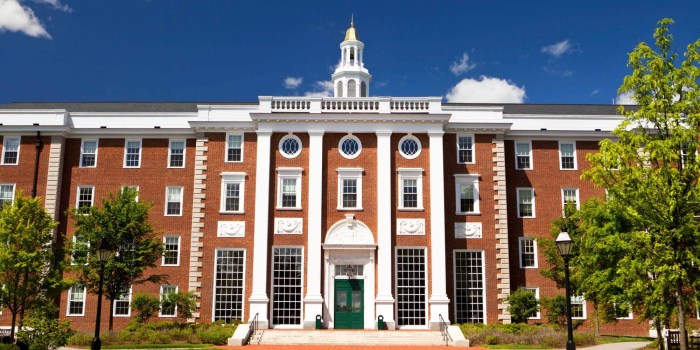
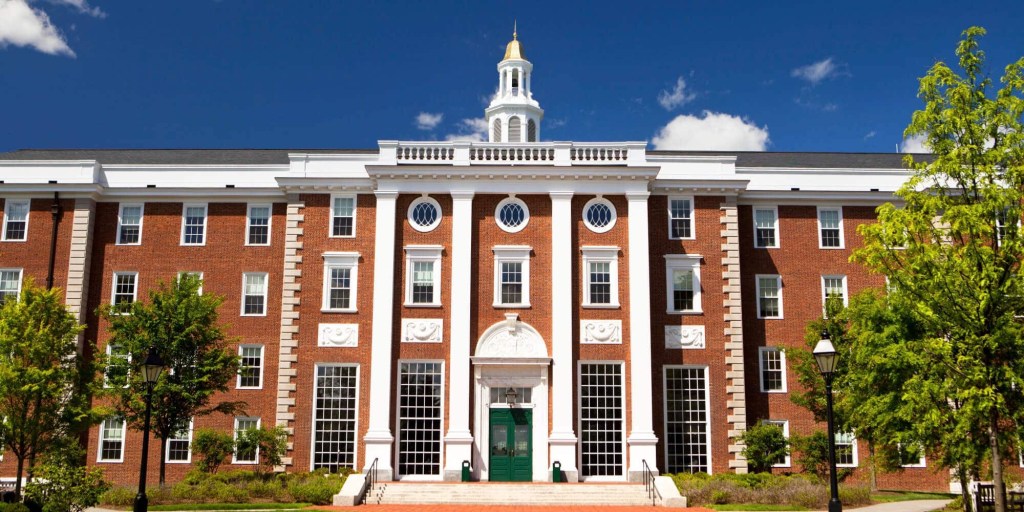
Harvard Expands Free Tuition to Families Earning Under $200,000

By Nkozi Knight

In a move aimed at expanding access to higher education, Harvard University announced Monday that it will offer free tuition to students from families earning $200,000 or less starting in the 2025-2026 academic year. This marks a significant expansion of the university’s financial aid program, further removing financial barriers for prospective students.

Students from families with incomes below $100,000 will also have all expenses covered, including housing, food, health insurance, and travel costs. Previously, Harvard provided full financial support only to students from families earning less than $85,000 annually.

“Putting Harvard within financial reach for more individuals widens the array of backgrounds, experiences, and perspectives that all of our students encounter, fostering their intellectual and personal growth,” said Harvard President Alan Garber.

While tuition alone at Harvard currently exceeds $56,000, total costs, including housing and other fees, approach $83,000 per year. The new policy will significantly lessen that burden for many American families.

Families earning above $200,000 may still qualify for tailored financial aid depending on individual circumstances.

This initiative aligns with similar policies at other elite institutions, like the Massachusetts Institute of Technology (MIT), which announced a comparable expansion last fall. Harvard estimates that 86% of U.S. families will now be eligible for some level of financial aid.

“Harvard has long sought to open our doors to the most talented students, no matter their financial circumstances,” said Hopkins Dean of the Faculty of Arts and Sciences. “This investment ensures that every admitted student can pursue their academic passions and contribute to shaping our future.”

The expansion comes amid broader conversations about diversity in higher education, especially following the Supreme Court’s ruling against affirmative action in college admissions. Harvard, along with other institutions like the University of Pennsylvania, views increased financial aid as a pathway to maintaining diversity by ensuring access to students from varied socioeconomic backgrounds.

“We know the most talented students come from different socioeconomic backgrounds and experiences, from every state and around the globe,” said William Fitzsimmons, Harvard’s dean of admissions and financial aid. “Our financial aid is critical to ensuring that these students know Harvard College is a place where they can thrive.”

This policy marks a continued effort to create a more inclusive and accessible environment at one of the nation’s most prestigious universities.

Wisconsin Real Estate Market: What to Expect in 2024 & 2025?

2024 Parade of Homes Model-The Clare

The median home sale price in Wisconsin has reached $327,000, reflecting an 8.8% year-over-year increase. Homes are still selling quickly, with an average of 43 days on the market, which suggests high demand in the real estate market. This is further reinforced by a 6.6% increase in home sales, with 6,532 homes sold in July 2024 compared to 6,130 last year. These figures indicate a competitive housing market, favoring sellers.

Inventory has risen by 6.5%, giving buyers more options. However, the supply remains tight, averaging around 2 months, which leans towards a seller’s market. Mortgage rates are around 6%, giving buyers somewhat more purchasing power, though prices are still on the rise.

With Wisconsin’s strong job market and an unemployment rate of 3%, the housing market is unlikely to experience a crash soon. Wisconsin’s balanced economy, affordable cost of living, and steady population growth continue to support the real estate market’s strength .

If you’re considering buying or selling in areas like Caledonia or Beaver Dam, it’s a good time to stay informed as the market is expected to favor buyers slightly towards the end of 2024.

2024 Parade of Homes model

The Value of Eco-Friendly, Sustainable, Green Products that Protect our Planet and its Inhabitants

In today’s world, environmental and ethical concerns have taken center stage. Our choices, both as consumers and producers, have a significant impact on the health of our planet and its inhabitants. As such, there has been a growing emphasis on the importance of using eco-friendly, sustainable, green products that are not tested on animals. In this blog post, we will explore the key reasons why we should adopt these products and practices in our daily lives, and conclude with a summary of the benefits they provide.

Reduced Environmental Impact

The first major advantage of using eco-friendly products is the reduction of our environmental footprint. These products are typically made from renewable, biodegradable, or recycled materials, which means they have a lower impact on the Earth’s resources. By choosing these products, we are not only conserving valuable resources but also reducing waste and pollution.

Healthier Living Eco-friendly products are often free from harmful chemicals and toxins commonly found in conventional products. This leads to a healthier lifestyle as we reduce our exposure to substances that can have adverse effects on our well-being. Moreover, using natural and organic ingredients in products like skincare and cleaning supplies can improve the quality of our lives by reducing the risk of allergic reactions or other health issues.

Animal Welfare

A significant aspect of green products is their commitment to not using animal testing. By choosing these products, we are making a stand against cruel practices and promoting the ethical treatment of animals. There are numerous alternative testing methods that are equally effective and do not cause unnecessary suffering.

Sustainable Living for a Better Future

Sustainable products are developed with a focus on durability and long-term use, which means that they are less likely to end up in landfills. This reduces waste and conserves resources, ultimately leading to a cleaner and healthier environment. Sustainable living also promotes ethical consumption, which can have a positive impact on social and economic aspects of our lives.

What Do We Do Now

The increasing urgency to protect our environment and reduce the negative impact of human activities cannot be overstressed. By choosing eco-friendly, sustainable, and green products, we not only contribute to the preservation of our planet but also support ethical practices that abstain from animal testing. Throughout this blog post, we have discussed the numerous benefits of these products, which include reducing our carbon footprint, conserving natural resources, promoting a healthier lifestyle, and supporting companies that prioritize the welfare of animals and the environment.

As conscious consumers, we have the power to make a significant difference with our choices. By opting for green products and encouraging others to do the same, we can collectively work towards a more sustainable future. This change starts with each one of us making an effort to be informed and responsible shoppers. Together, we can create a cleaner, healthier, and more compassionate world that future generations can inherit and cherish. So, let us strive to make eco-friendly, sustainable, and cruelty-free products the norm, rather than the exception, as we journey towards a greener tomorrow.

Fatherhood

A dad’s role in a child’s well-being is very important. Fathers teach many important lessonsto a child, like how to be affectionate and supportive, and how to take care of everyone else by giving the best example, and all of this while being great examples themselves.

Here are some of my favorite fatherhood quotes:

“A good father is one of the most unsung, unpraised, unnoticed, and yet one of the most valuable assets in our society.”

“Every dad, if he takes time out of his busy life to reflect upon his fatherhood, can learn ways to become an even better dad.”

“Fathering is not something perfect men do, but something that perfects the man.”

“There is no greater name for a leader than mother or father. There is no leadership more important than parenthood.”

“‘Father’ is the noblest title a man can be given. It is more than a biological role. It signifies a patriarch, a leader, an exemplar, a confidant, a teacher, a hero, a friend.”

“You don’t raise heroes, you raise sons. And if you treat them like sons, they’ll turn out to be heroes, even if it’s just in your own eyes.”

Middle class households made more than $2 trillion from homeownership over the past decade, showing it’s still a great way to build wealth

Real estate can still create huge wealth gains for young households. It’s buying the home in the first place that’s the problem.

Middle class households made more than $2 trillion from homeownership over the past decade, showing it’s still a great way to build wealth