Knowing When to Walk Away in 2025

By Nkozi Knight

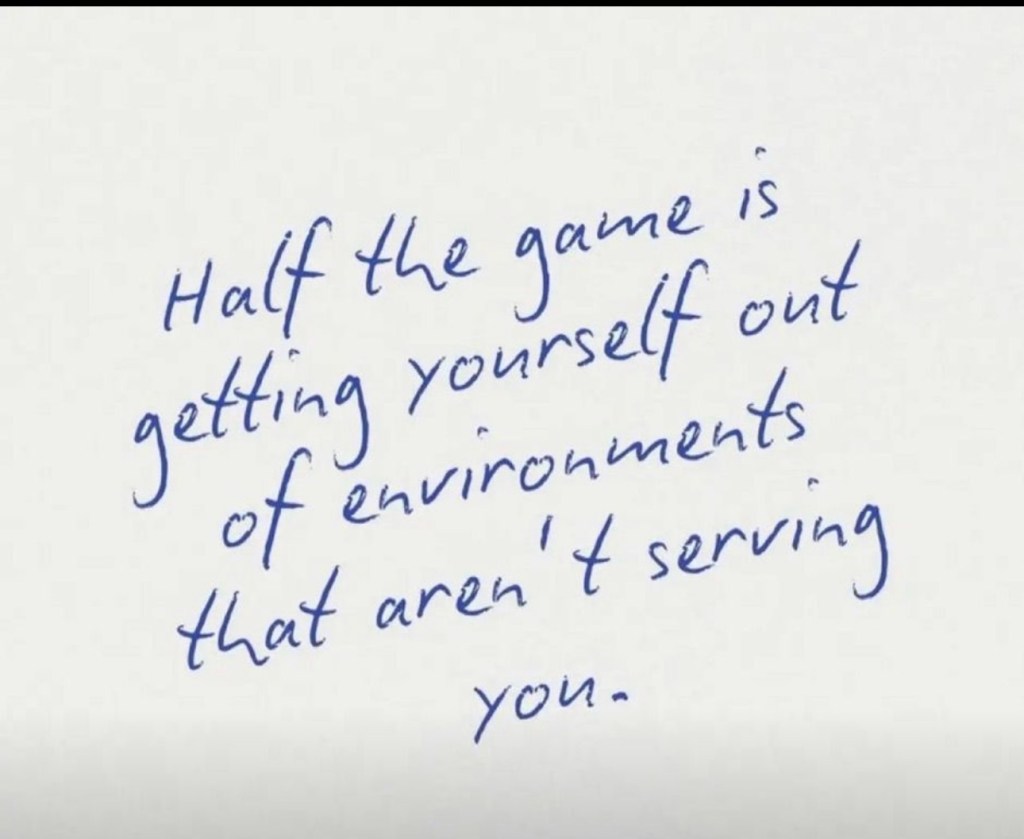
We tell ourselves that success comes from more effort and more time. That belief still matters. Yet in 2025 another truth is just as important. Half the game is choosing where you spend your effort in the first place. Sometimes the smart move is to walk away.

The labor market is reshaping itself in real time. Generative AI tools now handle work that once kept whole teams busy. Companies are reorganizing to chase efficiency and speed. Leadership teams are under pressure to do more with fewer people. Global talent markets are wide open. H1B holders bring real skill and many firms are recruiting globally before they look locally. None of this is a moral judgment. It is the environment. In this environment staying put out of habit can become the most expensive decision you make.

Silent quitting defined the last few years. People stayed but pulled back. In 2025 the bigger risk is silent stagnation. You keep delivering while the org chart keeps shifting. Systems take over routine tasks. Budgets move to automation and to roles that can scale. If your seat does not compound your skills or your network, the clock is already ticking even if you cannot hear it.

Walking away is not drama. It is strategy. The question is simple. Does this role increase your value twelve months from now. If the honest answer is no, the cost of loyalty is too high. Loyalty to your future is the only loyalty that compounds.

To evaluate your situation ask yourself whether the outcomes you deliver are unique to your skill set or whether a model could replace them. Consider whether the learning curve in your current role is still steep or if you are repeating cycles that add little to your future. Reflect on whether your work places you near decision makers or keeps you locked in execution only. And finally, consider whether the relationships you build today will serve you tomorrow. These questions offer quiet clarity that no performance review will provide.

Leaving does not always mean quitting your employer. It can mean walking away from the wrong team, the wrong leader, the wrong product line, or the wrong client mix. It can mean seeking roles that sit beside the machines rather than beneath them. Human judgment, trust building, original insight, and accountable ownership remain scarce. Aim your career at the work that needs a signature, not just a keyboard.

The H1B debate is loud this year and will stay loud. The best response is not resentment. It is readiness. Build competencies that translate across industries. Learn the tools that drive your field so you can direct them rather than compete with them. Grow relationships that outlast any single title. When your value is clear and portable you will not fear any policy cycle.

For leaders the message is just as direct. People are watching how you treat them during this transition. If you use AI to strip away meaningful work without creating new ladders, your best people will exit first. If you invest in upskilling and in clear career paths, your organization will retain its core talent and attract more. Markets reward firms that act with clarity and care at the same time.

The choice to walk away is never easy. It asks for courage and a clear view of the road ahead. Yet the market is telling the truth every day. Growth rarely happens in places that mute your voice or drain your energy. If the room you are in no longer fits the person you are becoming, it is time to leave the room.

In 2025 the winners will not be those who simply grind harder. They will be those who choose their arenas wisely and walk away when the environment no longer deserves them.

Private Equity’s Greed Is Catching Up: Why Ordinary Americans Will Pay the Price

April 30, 2025 • By NKOZI KNIGHT

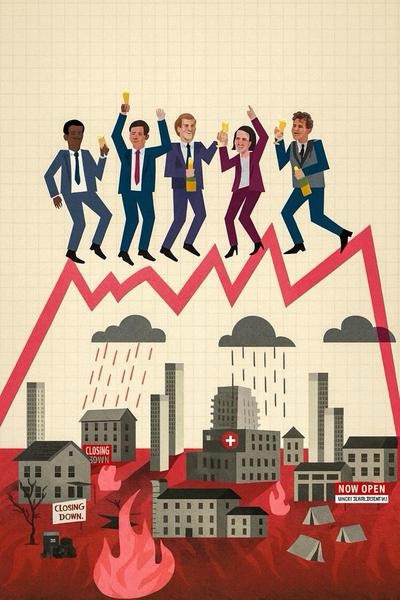
Many of us do not realize that private equity firms has always been about extraction, not creation. The model is simple. Borrow heavily, buy a company, slash jobs and benefits, sell off assets, and walk away with fees long before the damage shows. Communities are left with shuttered stores, abandoned buildings, bankrupt chains, and broken promises.

The list of casualties is long. Toys “R” Us was loaded with more than $5 billion dollars in debt by Bain Capital and KKR before it collapsed, taking 30,000 jobs with it. Payless ShoeSource closed its doors, erasing 18,000 jobs. J. Crew, Gymboree, Shopko, Forever 21, and Sears each followed the same path. Behind nearly every failure was a private equity deal that turned once-profitable companies into vehicles for debt. Blackstone, the largest of them all, drew criticism for gutting nursing homes and rental housing, where residents and tenants bore the consequences. Carlyle, Apollo, and Sycamore Partners engineered deals that enriched executives while leaving behind bankruptcies across retail, energy, and health care.

The damage has never been limited to debt. Private equity firms extract billions in fees on top of what they load onto companies. They sell the land and buildings, forcing the very businesses they own to pay rent back to them. In franchise models, they skim off royalty payments while cutting services and staff. They charge management fees to companies they already control, ensuring that even if a business fails, the firm still profits. These practices are not side effects. They are the business model.

For years the system ran on cheap money. With interest rates near zero, debt was abundant and investors were eager. Firms could buy, bleed, and flip companies in two or three years. That era is gone. Interest rates now sit above five percent. Debt costs more, buyers are scarce, and the IPO market has dried up. Firms are stuck holding companies that are drowning under the very leverage designed to enrich their owners.

The numbers are staggering. Nearly $12 trillion dollars in private equity assets now sit unsold. Exit activity has collapsed more than 70 percent since 2021. To raise cash, firms are borrowing against their own portfolios with NAV loans or dumping stakes at steep discounts on the secondary market. Even the giants like Blackstone, KKR, Apollo, Carlyle, Bain are stuck with bad debt no one wants. They cannot sell, yet their investors are demanding cash.

The quiet truth is that these firms are already maneuvering for Washington’s help. During the 2008 financial crisis, banks and insurers were rescued with taxpayer dollars. Private equity, which profited handsomely off that same collapse, is positioning itself for similar treatment.

This is not just an elite problem. It is a national one. When private equity runs out of road, it is not the billionaire partners who suffer. It is the workers whose jobs are cut, the retirees whose pensions cannot meet obligations, the students whose tuition rises because endowments cannot keep pace, and the taxpayers who are asked to backstop the system.

The parallels to 2008 are frightening. Then it was mortgage backed securities. Now it is unsellable companies and illiquid funds. In 2008, families lost homes and jobs while Wall Street was saved. Today the scale is even larger. With trillions in assets frozen, the next bailout could dwarf the last one.

Meanwhile, private equity’s destruction also extends into America’s hospitals and nursing homes and people are paying with their lives. Studies show that Medicare patients undergoing emergency surgeries in private equity–owned hospitals are 42 percent more likely to die within 30 days compared to those treated in community hospitals . A nationwide study found infections, falls, and other preventable adverse events increased following private equity takeovers of hospitals . Even the U.S. Department of Health and Human Services condemned the impact, warning that private equity ownership of nursing homes led to an 11 percent increase in patient deaths .

Recent reporting shows the financial calculus behind these tragedies. Nursing home operators in New York’s Capital Region diverted Medicare and Medicaid funds through inflated rent and bogus salaries. That left facilities chronically understaffed and suffering neglect so severe that it led to cases of serious injury and death .

By turning hospitals and nursing homes into profit centers rather than care centers, private equity firms aren’t just bankrupting businesses, they are literally killing people. And when that business model collapses, it will be everyday Americans who pay the cost once again.

The message is not subtle. If private equity’s gamble fails, the richest players will once again be saved. For ordinary Americans, the reckoning will look like it always does. Lost jobs. Higher taxes. Vanishing pensions. Rising tuition. And another generation paying for someone else’s greed.

This is the American cycle. The profits are privatized, the losses are socialized, and working families are forced to carry the cost.

The Private Equity Trap: How Harvard, Yale, and Princeton Got Caught in a Liquidity Crisis

For decades, private equity was the hottest corner of finance. The model was simple. Buy a company, cut costs, load it with debt and fees, polish the books, and sell it again within two to three years for a hefty profit. It was called the “flip,” and it made fortunes for firms like Blackstone, KKR, and Carlyle. Endowments and pensions rushed to get a piece of it.

That model is now broken.

The exits that once came fast and lucrative have slowed to a crawl. A world of near-zero interest rates is gone. Debt that once financed buyouts at minimal cost now comes with punishing interest, squeezing margins and stretching holding periods. Instead of flipping companies in two years, funds are sitting on assets for six, seven, even ten years. The portfolio backlog is staggering: more than $12 trillion worth of private equity assets sit unsold worldwide.

And at the center of this crisis are the universities that built their wealth on the promise of private equity. Harvard, Yale, and Princeton reshaped modern investing by betting heavily on illiquid alternatives. They now face the consequences of that bet.

The Death of the Flip

The two-year turnaround was never sustainable, but for a time it worked. Cheap debt fueled endless rounds of leveraged buyouts, where firms borrowed heavily, stripped assets, cut staff, and pushed companies back to market at inflated valuations.

But the cycle depended on two things: cheap money and eager buyers. Both have disappeared. The Federal Reserve’s rate hikes have doubled and tripled the cost of debt financing. Buyers are cautious, corporate balance sheets are tighter, and the IPO window remains largely shut.

Exit activity tells the story. In 2021, private equity firms sold $840 billion worth of companies. By 2023, that figure had collapsed to $234 billion, a drop of 72 percent. Even with a partial rebound in 2024 to $468 billion, exits are far too low to clear the backlog. Funds are holding twice as many assets as they did in 2019, but are selling them at the same pace as five years ago.

Without exits, distributions to investors dry up. Endowments that expected cash back to fund university budgets are left waiting.

Interest Rates as the Choke Point

Private equity’s entire model is built on leverage. A firm that buys a company for $10 billion may finance $7 billion of that price with debt, leaving just $3 billion of investor equity. If interest rates are low, debt is cheap, and any improvement in the business magnifies returns.

But with rates at five percent or higher, the math no longer works. Debt service eats into earnings. Refinancing becomes expensive or impossible. Companies bought at lofty valuations in 2020 and 2021 are now struggling to cover interest costs, let alone generate attractive profits for resale.

For the funds that hold them, paper valuations remain high, but real buyers demand discounts. That gap between reported NAV and market reality is another reason sales have slowed.

The Mechanics of Desperation

To keep investors from revolting, firms have engineered liquidity out of thin air. NAV loans lines of credit secured by the assets in a fund allow managers to borrow cash and hand it back to investors as if it were a distribution. Continuation funds where a firm sells a portfolio company from one of its funds into another fund it also controls in effect creates the illusion of an exit, while extending the holding period indefinitely.

On the investor side, endowments and pensions have turned to the secondary market, selling their stakes in private equity funds to buyers willing to take them at a discount. In 2024, secondary volume hit a record $155 billion. Harvard sold $1 billion worth of fund stakes. Yale is preparing to sell as much as $6 billion. The New York City pension system sold $5 billion. Buyers snapped them up at 10 to 15 percent discounts to stated value. For venture portfolios, the discounts were as steep as 50 percent.

These maneuvers do not solve the problem. They buy time. The only true fix is exits with real sales, IPOs, or recapitalizations and the industry is years away from clearing the overhang.

Case Studies: The Ivy League Squeeze

Harvard has a $53 billion endowment, the largest in the world. Nearly 40 percent of it is tied up in private equity. In April 2025, Harvard moved to sell $1 billion of those stakes through Jefferies, while simultaneously planning to issue $750 million in bonds. The official explanation is liquidity management, not distress. But the resemblance to 2008, when Harvard was forced to borrow billions to cover private equity calls, is unmistakable.

Yale built the “Yale model,” with nearly half of its $41 billion endowment allocated to private assets. For years, this made Yale the envy of institutional investors. But in 2024, Yale returned just 5.7 percent, compared to 13.5 percent for a basic stock-bond index. Now it is exploring a $6 billion secondary sale, nearly 15 percent of its endowment. The sale is not about strategy. It is about cash.

Princeton has a smaller endowment, about $35 billion, but the same exposure. Its longtime CIO Andrew Golden called 2023 the worst liquidity environment he had ever seen. Princeton raised $1.4 billion in bonds to shore up its balance sheet. Like Harvard and Yale, it insists the strategy is intact. But the reality is that illiquidity has become a liability.

Why This Matters to Everyday Americans

It is tempting to see this as an elite problem, billion dollar universities mismanaging their fortune. But it is not.

Endowments fund scholarships, financial aid, and core research. If Harvard or Yale faces a liquidity squeeze, it means fewer students receive aid. It means tuition rises to fill the gap. It means labs lose funding and staff lose jobs. What begins as a crisis in private equity becomes a crisis for students and families.

The same holds true in pensions. State retirement systems have billions tied up in private equity. When distributions dry up, they cannot meet obligations to retirees. That shortfall has to be covered by raising taxes, cutting benefits, or, in the worst case, turning to the federal government for relief. For millions of working and middle class Americans, this is not abstract. It is their retirement on the line.

The parallels to 2008 are chilling. Then, it was mortgage backed securities that turned toxic. Homeowners defaulted, banks failed, and Washington rushed in with taxpayer bailouts. Families lost houses, jobs, and savings, while Wall Street was rescued. Today, the scale is even larger. With twelve trillion dollars in unsold assets stuck on private equity books, the next bailout could dwarf 2008.

Imagine the politics of that moment. A populist like Donald Trump could frame it as Ivy League elites and Wall Street executives begging for lifelines while ordinary Americans pay the price. But the structural interdependence is real. If endowments and pensions buckle, the pressure on Washington to intervene may be irresistible. The federal government does not have the fiscal room to absorb another trillion dollar rescue, yet that may be exactly what is asked of it.

The burden would not fall on universities or private equity firms alone. It would fall on taxpayers, on students already struggling with debt, on workers who depend on pensions, on families already squeezed by inflation and high borrowing costs. In short, it would fall on the very people who had no hand in creating the mess.

Private equity sold itself as the smartest bet of modern finance. But the two year flip is dead, interest rates have choked the model, and endowments that once trusted in illiquidity now find themselves trapped. For everyday Americans, the lesson is as clear as it was in 2008: when the smartest people in the room gamble with other people’s money and lose, it is everyone else who ends up paying the price.
What Thought Leadership Really Requires

Milwaukee’s Deer District April 17, 2025

By Nkozi Knight

In an age where social media rewards volume over value, the meaning of thought leadership has been diminished. The term once represented a blend of deep expertise, strategic clarity, and intellectual influence. Today, it is often misapplied to anyone who posts frequently enough to generate a following.

But real thought leadership is not a popularity contest. It is a responsibility. It involves translating lived experience into insight that others can use to make better decisions and solve meaningful problems.

The Misunderstanding of Thought Leadership

Far too often, we confuse visibility with credibility. A viral post may spark attention but attention alone does not drive transformation. A thought leader is not someone who talks the most. A thought leader is someone whose ideas stand the test of time and scrutiny.

The best thought leaders are not self-promoters. They are systems thinkers. They do not speak just to be heard. They offer clarity in complexity. They invite others into deeper understanding.

Three Requirements for Lasting Impact

1. Experience that Teaches

Effective thought leaders have done the work. They have led initiatives, built organizations, navigated risk, and owned the consequences of their decisions. Their insights are not theoretical. They are earned in practice.

2. The Willingness to Challenge Assumptions

True leadership involves asking uncomfortable questions. It means examining what is outdated, misaligned, or unspoken. Whether in corporate strategy, health equity, or entrepreneurship, progress depends on those willing to challenge the default settings of their industry.

3. A Commitment to Building Tools, Not Just Talk

Thought leadership is not just about inspiration. It is about utility. The most influential leaders provide frameworks, resources, and systems that others can adopt. They empower others to lead without needing to be the loudest voice in the room.

A Perspective from Business and Community

As someone who has worked across strategy, entrepreneurship, and community development, I believe thought leadership is most powerful when it is rooted in purpose. Whether scaling a business, coaching organizations on OKRs and KPIs, or mentoring young professionals, my focus is always on bridging strategic intent with meaningful outcomes.

Leadership is not about being the smartest person in the room. It is about making the room smarter. It is not about being first. It is about leaving a structure behind that others can use to go further.

Final Reflection

Thought leadership is not a marketing strategy. It is a discipline. It requires humility, consistency, and the ability to add value without needing validation. In a world full of noise, the leaders who will matter are the ones who think clearly, speak carefully, and act with intention

BlackRock Doesn’t Just Own Tech. It Owns Your Future.

BlackRock doesn’t just own parts of Apple, Microsoft, and Amazon. It owns your food supply. It owns farmland. It owns water infrastructure. And through those investments, it owns a growing stake in the future of human survival itself.

What began in 1988 as a modest Wall Street firm built on risk management is now the largest asset manager in human history. BlackRock controls over $11 trillion , which is larger than the GDP of every country in the world except the United States and China.

But what most people still don’t realize is that BlackRock’s most important power grab didn’t happen on Wall Street. It happened quietly, across America’s farmland, its food systems, and its natural resources.

How Did We Get Here?

BlackRock’s expansion strategy was never about flashy takeovers. It was about ownership without attention. They don’t need to buy entire companies when they can buy enough shares to influence them all.

Through complex index funds and ETFs (Exchange-Traded Funds), BlackRock has quietly become a top shareholder in nearly every major corporation in America. Coca-Cola. PepsiCo. Kraft Heinz. Nestlé. Tyson Foods. Monsanto-Bayer. Even the companies that compete with each other are often owned by the same hand, BlackRock.

That includes food production, packaging, seeds, fertilizers, pesticides, farmland, water rights, grocery store chains, and agribusiness suppliers.

It is a spider web so vast that very few industries operate outside of its reach.

Farmland: The New Oil

In recent years, farmland has quietly become one of the hottest investments among America’s wealthiest. But few players have been as aggressive as BlackRock and its peers like Vanguard and State Street.

Why Farmland you may ask?

Simple. Land produces food, controls water access, and holds its value against inflation. In a world of uncertainty, farmland is power.

BlackRock has invested in farmland directly and indirectly through real estate investment trusts (REITs) like Farmland Partners and Gladstone Land Corporation. In some regions, institutional investors now own an estimated 30-50% of all available farmland.

For local farmers like Paul Rettler, this creates an impossible game that no one can win. Competing against trillion-dollar firms backed by infinite capital means the consolidation of agriculture isn’t slowing down, rather it’s accelerating.

The ESG Illusion

Much of BlackRock’s public messaging has centered around ESG, which stands for: Environmental, Social, and Governance investing , a framework designed to steer money toward sustainable and ethical practices.

But behind the marketing, ESG has often allowed BlackRock to reshape industries while still investing heavily in the very corporations most responsible for environmental harm.

Larry Fink, BlackRock’s billionaire CEO, has framed ESG as both a moral obligation and a business necessity. Yet BlackRock remains one of the largest shareholders in fossil fuel giants, industrial agriculture companies, and food manufacturers responsible for deforestation and soil degradation.

As environmental groups have pointed out daily, BlackRock has the ability to change the food system overnight. But profit almost always wins over principle and we have seen this outcome time and time again.

So What Does BlackRock Want?

It’s simple: Control. Influence. Permanence.

The more essential needs a company controls such as food, water, housing, energy, the less it matters who holds political office. Ownership is the real power.

When a handful of corporations control the basic elements of survival, the public becomes renters of everything, including their health, their homes, and their future.

This is the world being built right in front of us.

Water rights in California. Farmland in the Midwest. Global seed patents. Packaging monopolies. Shipping routes. Grocery store chains. Pharmaceutical partnerships. Tech platforms controlling communication.

This is not just about selling products.

This is about owning life itself.

So what can everyday people do?

Waiting for a politician to fix this system is like waiting for a thief to return what they stole. It is not going to happen.

But the answer is not fear. The answer is awareness. The answer is action.

It starts with taking back control wherever you can.

Buy from local farmers when possible. Grow your own food even if it is just herbs in your kitchen window. Filter your water. Cook your own meals. Learn how to read ingredient labels. Support local businesses over corporations when you can.

Most importantly, do your own research. Step outside of Google, mainstream media, and the same recycled talking points coming from media companies owned by the very corporations profiting from your confusion.

Seek independent sources. Read books. Listen to people on the ground, not just those in boardrooms. Question convenience when it comes at the cost of your health.

Learn how to be less dependent on the systems designed to keep you dependent.

Because at this point, we cannot wait for RFK. We cannot wait for politicians. We cannot wait for the same people who helped build this system to suddenly tear it down.

We have to start building something different starting in our homes, in our families, in our communities.

Not because it is trendy.

But because survival has always belonged to the people willing to think for themselves, take responsibility for their lives, and protect their future by any means necessary.

The Quiet Poisoning of a Generation: How Food, Water, and Corporate Greed are Undermining Human Health

There’s something happening in our society and if you’ve felt it, you’re not alone.

More people are tired for no reason. Fertility rates are plummeting. Chronic illness is everywhere. Children face record levels of anxiety, allergies, and developmental issues. And yet, we’re told this is normal.

It’s not.

This is the byproduct of a system that has quietly (and quite profitably) waged war on human health.


Founded in 1988, BlackRock now controls over 10 trillion dollars in assets making it one of the most powerful financial forces on the planet.

Follow The Money, Find The Motive

Today, four corporations effectively control most of what you eat, drink, and absorb.

→ Bill Gates is now the largest private farmland owner in America.

→ BlackRock and Vanguard own massive stakes in Monsanto, Nestlé, PepsiCo, Kellogg’s, and Beyond Meat.

→ Lab-grown meat is no longer science fiction, it’s a funded inevitability.

→ The same companies poisoning your body with seed oils, synthetic additives, and plastic packaging? They own the pharmaceutical firms selling you the cure.

This is not a conspiracy — it’s strategy.

When you own the food, the water, the farmland, the grocery distribution, and the healthcare response, you don’t need to control people with force.

You control them with dependence.

What’s Happening To Us?

Consider this:

Global sperm counts have dropped 50% since the 1970s. Testosterone levels in men are down 30% in 20 years. Microplastics are now found in human bloodstreams, breast milk, and even placentas. “Forever chemicals” (PFAS) are in 98% of the U.S. population. The CDC now quietly admits fluoride in water, while good for teeth in small doses, can impact brain development at high levels.

If this were isolated, it could be coincidence.

But when it’s everywhere like our water, food, packaging, cosmetics, medicine, even the air, you start to realize: This is systemic.

The Long Game: Weaken the Body, Profit from the Cure

Sick people buy more products.

Infertile couples pay more for solutions.

Distracted, inflamed, chemically-dependent populations don’t resist systems, they survive within them.

And while many are waiting for politicians like RFK Jr. to come in and blow the whistle, the reality is clear:

This system is working exactly as designed.

So What Do We Do?

Here’s the truth: No one is coming to save us.

But there is power in knowing how to exit the trap.

Real Alternatives for Real People:

Filter your water using Berkey, Clearly Filtered, or AquaTru. Eat whole, organic, ancestral foods with a focus on local sources first. Cut seed oils completely and cook with avocado oil, olive oil, or ghee. Limit plastic exposure by using stainless steel, glass containers, and beeswax wraps. Get daily sunlight and move your body because nature was the original medicine. Supplement wisely to rebuild minerals and support safe detoxing. Support local farmers instead of large corporations whenever possible. Learn herbal medicine like black seed oil, seamoss, milk thistle, and dandelion root. Sweat daily through sauna sessions, hot yoga, or hard workouts. Reduce pharmaceutical dependence by healing the root cause, not just managing symptoms.

Final Thought

We can’t wait for RFK. We can’t wait for “them” to fix what they profit from breaking.

We have to take back our health. Ourselves. Today.

Not because it’s trendy.

Not because it’s easy.

But because our future depends on it.

Health is no longer a luxury, it’s a form of resistance.

This is how we fight back.

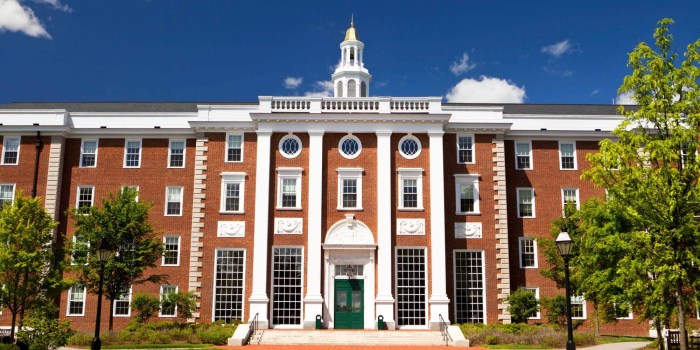
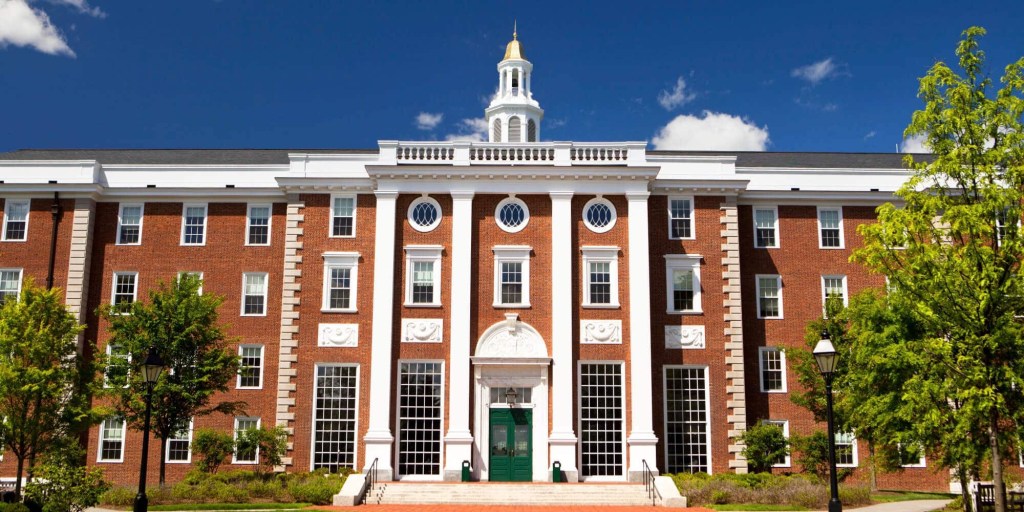
Harvard Expands Free Tuition to Families Earning Under $200,000

By Nkozi Knight

In a move aimed at expanding access to higher education, Harvard University announced Monday that it will offer free tuition to students from families earning $200,000 or less starting in the 2025-2026 academic year. This marks a significant expansion of the university’s financial aid program, further removing financial barriers for prospective students.

Students from families with incomes below $100,000 will also have all expenses covered, including housing, food, health insurance, and travel costs. Previously, Harvard provided full financial support only to students from families earning less than $85,000 annually.

“Putting Harvard within financial reach for more individuals widens the array of backgrounds, experiences, and perspectives that all of our students encounter, fostering their intellectual and personal growth,” said Harvard President Alan Garber.

While tuition alone at Harvard currently exceeds $56,000, total costs, including housing and other fees, approach $83,000 per year. The new policy will significantly lessen that burden for many American families.

Families earning above $200,000 may still qualify for tailored financial aid depending on individual circumstances.

This initiative aligns with similar policies at other elite institutions, like the Massachusetts Institute of Technology (MIT), which announced a comparable expansion last fall. Harvard estimates that 86% of U.S. families will now be eligible for some level of financial aid.

“Harvard has long sought to open our doors to the most talented students, no matter their financial circumstances,” said Hopkins Dean of the Faculty of Arts and Sciences. “This investment ensures that every admitted student can pursue their academic passions and contribute to shaping our future.”

The expansion comes amid broader conversations about diversity in higher education, especially following the Supreme Court’s ruling against affirmative action in college admissions. Harvard, along with other institutions like the University of Pennsylvania, views increased financial aid as a pathway to maintaining diversity by ensuring access to students from varied socioeconomic backgrounds.

“We know the most talented students come from different socioeconomic backgrounds and experiences, from every state and around the globe,” said William Fitzsimmons, Harvard’s dean of admissions and financial aid. “Our financial aid is critical to ensuring that these students know Harvard College is a place where they can thrive.”

This policy marks a continued effort to create a more inclusive and accessible environment at one of the nation’s most prestigious universities.

The Silent Killer: How Our Diet and Lifestyle Are Shortening Our Lives

By Nkozi Knight

I truly thought I was healthy. My BMI is only 25, and by most accounts, I look like I I am in great shape. But something wasn’t right for weeks. I felt tired all the time, my feet tingled, and my energy levels were nowhere near what they used to be when I would workout. Something inside me told me to get checked out, and what I found was alarming:

A1C: 7.3% → Diabetes confirmed

LDL (“bad” cholesterol): 198 mg/dL → Very high

Non-fasting glucose: 219 mg/dL → Dangerously high

In other words, I was walking around with a silent killer inside me, completely unaware. And I’m not alone.

Black Men and the Health Crisis No One Talks About

Black men in the United States are disproportionately affected by diabetes, high blood pressure, heart disease, blood clots, and amputations, a lot of it comes down to our diet, lifestyle, and neglect of medical care. Here are some statistics that speak to that point:

Black adults are 60% more likely to be diagnosed with diabetes than white adults (CDC, 2022).

More than 40% of Black men have high blood pressure, increasing the risk of heart attack and stroke (American Heart Association, 2023).

• Diabetes-related amputations occur nearly 3 times more often in Black patients than in white patients (JAMA, 2021).

Yet, we don’t talk about it. We recently witnessed super dad, Lavar Ball lose his foot from such complications. We brush off the fatigue, the numbness, the tingling, the headaches, the difficulty in the bedroom, and the shortness of breath as just “getting older.” But these are warning signs that something is seriously wrong.

The Warning Signs You Can’t Ignore

Tingling or numbness in your feet → Early sign of diabetic neuropathy, which can lead to amputation if untreated.

Extreme fatigue → Could be due to high blood sugar, poor circulation, or even heart disease.

Erectile dysfunction (ED) → Often an early symptom of diabetes or heart disease due to damaged blood vessels.

Blurry vision → High blood sugar can lead to diabetic retinopathy, which can cause blindness.

Slow-healing wounds → A sign of poor circulation, increasing the risk of infections and amputations.

• Frequent urination & constant thirst → Classic symptoms of diabetes.

If you’re experiencing any of these symptoms, it’s time to see a doctor immediately.

Fast Food & High Sugar Diets Are Killing Us

Let’s be real. Our beautiful culture is built around food, and not just any food, it always fried chicken, snacks, barbecue, mac and cheese, burgers, energy drinks, and other sugar-loaded drinks. We love to eat (at least I do), and food is a part of our identity. But it’s also the reason why we’re dying younger than we should.

The average American consumes 17 teaspoons of added sugar per day which far beyond the recommended limit of 9 teaspoons for men (American Heart Association, 2023).

Black Americans are more likely to consume sugar-sweetened beverages, which are directly linked to diabetes and heart disease (CDC, 2022).

Red meat and processed meats (bacon, sausage, deli meat) increase the risk of heart disease by 18% and diabetes by 12% (Harvard School of Public Health, 2023).

The Solution: Skip the Steak, Choose the Chicken

I used to be that guy….grabbing a burger and fries on the go, ordering a steak just because I could, and washing it all down with a Sprite or Old Fashioned. But after seeing my numbers, I realized I was digging my own grave, and I have too many people depending on me to check out early.

I made the switch, and I urge you to do the same:

No more red meat → Choose grilled chicken, turkey, or fish instead.

No more sugary drinks → Drink water, unsweetened tea, or black coffee.

No more processed carbs → Swap white bread & pasta for whole grains like quinoa & brown rice.

More fiber, more greens, more movement.

And most importantly, please see a doctor before it’s too late.

Your Health Is in Your Hands

Black men, we can’t afford to ignore our health any longer. We too often put our own needs aside to take care of everyone else to our own demise. Too many of us are losing limbs, suffering strokes, and dying before our time. It’s not genetics at all, it’s the choices we make every day.

If you made it this far I ask you to not wait until it’s too late. Get your bloodwork done, eat like your life depends on it (because it does), and start moving.

We all deserve longer, healthier lives but we have to take action to make that a reality. I thank God for the people in my life who encouraged me to get checked out before it was too late, because too many of us ignore the warning signs until we can’t anymore. Let’s hope the MAHA movement brings attention to this silent killer that’s taking too many of us too soon. Our health is our responsibility so let’s fight for it.

Sources:

• CDC. (2022). Diabetes Statistics in the U.S.

• American Heart Association. (2023). Heart Disease & Stroke Risk in African Americans.

• Harvard School of Public Health. (2023). The Impact of Diet on Chronic Diseases.

• JAMA. (2021). Racial Disparities in Diabetes-Related Amputations.

Tech Rout: Nvidia Plunges as China’s DeepSeek AI Soars, Investors Flock to Safe Havens

By Nkozi Knight

Global markets took a hit on Monday as technology stocks plummeted amid growing concerns over competitive pressures from China’s burgeoning AI sector. Shares of Nvidia, a key player in the artificial intelligence (AI) industry, dropped sharply, losing 11.2% in a single session. The slide came as Chinese startup DeepSeek surged in popularity with its low-cost AI model, intensifying market anxiety about the dominance of U.S. tech firms in the rapidly growing AI space.

Tech Stocks in Freefall

Nvidia, widely regarded as a leader in AI computing hardware, saw its shares nosedive after reports of slowing demand for its GPUs in China. Analysts attributed the decline to DeepSeek’s unveiling of its DeepSeek-V3 model, a highly efficient AI system offering comparable performance at a fraction of the cost.

The ripple effect hit other tech giants as well, with Microsoft, Meta Platforms, and Alphabet each recording losses of 3-5%. The Nasdaq Composite Index fell 2.6%, its worst single-day performance since December 2024.

“The competitive landscape is shifting rapidly, and this adds a new layer of uncertainty for U.S.-based AI leaders,” said Daniel Crawford, a senior equity analyst at Global Insights. “DeepSeek’s entry into the market highlights the growing sophistication of Chinese AI firms and their ability to disrupt established players.”

DeepSeek’s Meteoric Rise

DeepSeek’s DeepSeek-V3 became the most downloaded free app on Apple’s App Store within days of its launch. The AI assistant boasts advanced natural language processing capabilities and features targeted at small and medium-sized businesses, undercutting its U.S. competitors on price.

The surge in popularity underscores the increasing influence of Chinese technology companies in global markets. With heavy state-backed funding, firms like DeepSeek are rapidly closing the innovation gap with their Western counterparts.

“DeepSeek represents a ‘Sputnik moment’ for the AI industry,” said James Li, an AI researcher based in Shanghai. “This is a wake-up call for U.S. firms to accelerate innovation or risk losing their competitive edge.”

Flight to Safety

Amid the turmoil, investors sought refuge in traditional safe-haven assets. U.S. Treasury yields dropped as demand surged, with the 10-year yield falling to 3.42%. Gold also saw a 1.3% increase, closing at $1,945 per ounce. The U.S. dollar weakened against major currencies, with the euro rising 0.8% to $1.11.

“Investors are nervous, and rightfully so,” said Sophia Greene, chief market strategist at Capital Horizons. “The market is recalibrating to factor in geopolitical risks and the growing unpredictability of tech-driven disruptions.”

Outlook

The fallout from the tech sell-off has raised broader concerns about the U.S.’s ability to maintain its dominance in the AI industry. Lawmakers in Washington have called for more stringent measures to ensure domestic innovation and reduce reliance on foreign supply chains.

For now, the spotlight remains on how U.S. tech giants will respond to the threat posed by DeepSeek and other rising stars in the Chinese tech ecosystem. Investors are watching closely as the industry braces for further turbulence.

2025: A Year of Resilience and Hope

2025 will bring challenges we may not yet foresee, testing our resilience and our collective humanity. Yet history reminds us that even in our darkest hours, we have endured, adapted, and risen above. It is in times of turmoil that the true strength of humanity reveals itself.

The chaos of the world does not erase the good within it. We see it in acts of kindness, in the resilience of communities, in the unwavering hope of those who refuse to give in. These moments, small as they may seem, are proof that humanity’s light is far stronger than the shadows that try to engulf it.

As we face what lies ahead, let us hold tightly to faith and not just in a higher purpose, but in one another. Let us carry hope, not as an abstract idea, but as a tangible force that fuels our actions and inspires those around us. And let us strive to be the reason someone else rediscovers their faith in mankind.

Our actions, no matter how small, ripple outward. In the face of uncertainty, they can become a source of strength for others. If we remain steadfast, committed to the good we can do, the challenges of the future will only serve to make us stronger. Humanity’s light, even when tested, will endure. It always has. It always will.

Generative AI: Transforming the Fabric of Education, Business, and Society

By Nkozi Knight

The dawn of generative artificial intelligence (AI) is not merely a technological milestone but a transformative force poised to touch every corner of our lives, reshaping the fabric of our world. Imagine a future where AI-driven systems enhance learning experiences in classrooms from rural villages to urban centers, personalize healthcare treatments globally, and revolutionize businesses, driving unprecedented innovation and efficiency. The potential for AI to create new opportunities and solve complex problems is immense, making it a topic of critical importance for everyone from tech enthusiasts to policymakers, but most importantly for everyday citizens.

A Revolution in Our Society

Generative AI has begun to alter the societal landscape significantly. Major advancements by platforms like OpenAI’s ChatGPT and Google’s Gemini Advanced demonstrate AI’s capabilities in creating human-like text and solving complex problems. These tools are increasingly integrated into customer service, content creation, and strategic decision-making processes. According to McKinsey, over 55% of organizations now use AI in at least one business unit, up from 20% in 2017 .

This surge in adoption highlights the tangible benefits of AI, such as cost reductions and revenue increases. For instance, the use of AI in human resources has led to significant cost savings, while its application in supply chain management has boosted revenues by over 5% . However, this rapid integration is not without challenges, as issues like data privacy, intellectual property, and the accuracy of AI outputs remain pressing concerns .

Education: A New Frontier

In the realm of education, generative AI is revolutionizing how students learn and educators teach. AI-driven platforms are providing personalized learning experiences, adaptive testing, and real-time feedback, thereby making education more accessible and tailored to individual needs. Google’s Gemini Advanced, for example, can create interactive learning modules that adapt to a student’s progress, enhancing engagement and retention.

According to UNESCO, the thoughtful integration of AI into education systems can support lifelong learning and bridge educational gaps by providing resources to underprivileged communities . However, there is a caveat; an over-reliance on technology without adequate human oversight could undermine educational standards and equity.

Business Innovations

Generative AI is also making waves in the business sector, driving operational efficiencies and strategic advancements. Companies are leveraging AI for marketing, sales, product development, and customer engagement. Deloitte’s insights reveal that businesses are moving from pilot projects to large-scale AI deployments, aiming to realize tangible benefits such as improved efficiency and innovation .

AI-driven analytics are enabling businesses to make more informed decisions, ultimately driving growth and competitiveness. For example, AI’s ability to analyze vast amounts of data quickly and accurately helps companies to identify market trends, optimize supply chains, and enhance customer experiences.

Comparing AI Platforms

Different AI platforms bring unique strengths to the table. Here’s a detailed comparison of some leading generative AI tools:

OpenAI’s ChatGPT is exceptional at natural language generation, versatile across multiple domains including customer service, creative writing, and coding assistance. It’s best suited for general-purpose use, especially for enterprises needing versatile AI capabilities.

Google’s Gemini Advanced integrates seamlessly with Google services, providing real-time internet data and robust solutions for data analytics and enterprise applications. It’s ideal for businesses looking for deep integration with Google’s ecosystem, real-time data processing, and enhanced search capabilities.

Apple’s AI system focuses on privacy-centric AI solutions, ensuring secure data management while delivering powerful performance. This makes it a great choice for users and organizations prioritizing data privacy and security.

Microsoft’s Copilot is integrated with the Microsoft Office Suite, enhancing productivity tools like Word and Excel with AI capabilities. It’s perfect for office productivity enhancements, particularly for enterprises that extensively use Microsoft products.

Anthropic’s Claude emphasizes safety and ethical AI use, with a customizable conversational tone and a large context window. It’s best for ethical AI applications and businesses needing secure content generation.

Cohere’s Generate (Command) offers straightforward API integration for text generation, focusing on business use cases like copywriting and data extraction. This tool is well-suited for businesses needing seamless API integration for text generation and analysis.

Midjourney excels at creating artistic and highly stylized images, making it ideal for creative industries and artists looking to enhance their visual content.

DALL·E 3 is easy to use for AI image generation, capable of creating photorealistic and imaginative visuals. It’s best for marketing, design, and any application requiring high-quality images.

These platforms reflect the diverse approaches tech giants are taking to capture the AI market. OpenAI’s emphasis on broad accessibility contrasts with Google’s enterprise-focused strategies and Apple’s commitment to privacy, catering to varied user needs and preferences .

Societal Implications

Generative AI’s societal impact extends beyond business and education. It influences cultural production, healthcare, and even social interactions. AI-generated content, such as music and art, challenges traditional notions of creativity and authorship. In healthcare, AI-driven diagnostic tools and personalized treatment plans are revolutionizing patient care, offering more accurate and timely interventions .

However, these advancements come with ethical considerations. The potential for job displacement, biases in AI algorithms, and the need for regulatory frameworks are critical issues that society must address. Ensuring that AI development is inclusive and benefits all segments of society is paramount.

As generative AI continues to evolve, its role in shaping our future becomes increasingly significant. Whether in classrooms, boardrooms, or everyday life, AI is set to redefine the parameters of possibility, ushering in an era of unprecedented innovation and change.

For more insights on AI and its impact, visit NkoziKnight.com.

Fitch Downgrades U.S. Credit Rating Amid Rising Deficits and Political Turmoil

In a recent blow to the United States, Fitch Ratings has downgraded the nation’s credit rating from the highest possible AAA to AA+. The rating agency attributed the drop to increasing deficits and political conflict, which they believe threaten the government’s capacity to service its debts.

This decision was made two months following a last-minute agreement between the Biden administration and House Republicans to temporarily raise the debt ceiling, thereby narrowly dodging a potentially catastrophic federal default.

This isn’t the first time the U.S. has faced such a demotion. Back in 2011, amid a similar crisis regarding the debt ceiling, Standard & Poor’s reduced the United States’ AAA rating. At present, Moody’s Investors Service is the only major credit rating agency that continues to assign the U.S. the top AAA rating.

Despite recognizing the robustness of the U.S. economy and the benefits reaped from the dollar’s position as the world’s primary currency, Fitch expressed concerns about the escalating deficits and both political parties’ reluctance to address long-term fiscal issues. Fitch voiced limited faith in the government’s ability to effectively manage the country’s finances.

In response to the downgrade, Treasury Secretary Janet Yellen criticized Fitch’s decision as “arbitrary” and reliant on obsolete data. She emphasized that “Treasury securities remain the world’s preeminent safe and liquid asset” and affirmed the underlying strength of the U.S. economy.

According to Fitch, the expenditure caps set as part of the recent debt agreement in June merely scratch the surface of the overall budget and do not confront enduring issues, such as financing Social Security and Medicare for an aging populace.

With tax reductions and elevated government expenditure leading to an expansion of deficits in recent years, and coupled with increasing interest rates, the fiscal burden has grown. Government interest payments in the first nine months of the current fiscal year amounted to $652 billion, marking a 25% rise from the same period last year.

Maya Macguineas, the president of the Committee for a Responsible Federal Budget, responded to the downgrade, terming it a “wake-up call.” She stressed the urgent need for fiscal responsibility, stating, “We are clearly on an unsustainable fiscal path. We need to do better.”

The repeated political standoffs over the debt ceiling have not only eroded the faith in U.S. fiscal management but also put the longstanding reputation of U.S. government bonds at risk. For close to a hundred years, these bonds have been considered some of the safest investments globally, primarily because the U.S. seemed unlikely to default on payments.

However, with the recent debt ceiling impasses, there is growing concern that the U.S. might default for the first time. Over a decade ago, S&P pointed out political discord as a significant risk to the country’s governing ability, and many experts opine that the situation has deteriorated since.

The Meteoric Rise of Online Gambling and The Destructive Impact On Sports, Athletes, and Fans

As the digitization of daily life accelerates, the world of gambling is not immune to this transition. Recent years have witnessed an explosion of online gambling, fueled by large media sports outlets, with ESPN leading the charge, often making sports shows unwatchable. This shift has profound implications for the sporting world, the athletes at its center, and the fans, young and old, who passionately follow their favorite teams and players.

The Push from Sports Outlets

For sports media platforms, the digitization of gambling represents a new frontier of audience engagement and a fresh stream of revenue. ESPN has been at the forefront of this transformation, incorporating gambling lines, odds, and statistics into their sports coverage. Last month at the NBA draft, a betting line was changed when NBA Insider Sham Charania posted that Scoot Henderson was “gaining serious momentum” as the No. 2 pick. The problem is Sham Charania is a paid brand name ambassador for Fan Duel and his tweet resulted in millions of dollars changing hands with what many consider was bad information. This brought to light the lack of regulations and oversight to prevent conflict of interest between members of the media who can influence betting markets and company’s like Fan Duel. Companies like ESPN and Fox Sports continue to blur the lines as they have effectively mainstreamed sports betting, lending an air of legitimacy to an activity previously associated with the outskirts of the sporting world.

ESPN, owned by Disney, and other sports outlets are leveraging their immense influence to not only provide sports news but also to shape the way fans engage with sports. By introducing betting elements in their broadcasts, these platforms have turned viewership into an interactive, higher-stakes experience. Now, fans aren’t just rooting for their team; they’re also potentially reaping financial gains or losing everything from the outcome.

Impact on Sports and Athletes

This increased focus on gambling has significant implications for the sports themselves and the athletes who compete. One major concern is the threat to the integrity of sports. While most bets are placed in good faith, there is an increased risk of match-fixing and corruption as the volume of sports betting grows. Several NFL players were recently suspended for betting on games, potentially ruining their careers and livelihoods. Rigging a game for betting gains may become tempting to unscrupulous individuals, casting a shadow over the purity of competition.

For athletes, the rise of online gambling can present a new kind of pressure. Knowing that their performance can affect not only their team’s fortunes but also the financial outcomes of countless fans adds a unique stressor. This added pressure could affect their performance, either spurring them on to greater heights or causing them to buckle under the weight of expectation.

Impact on Fans

From the fans’ perspective, the rise of online gambling has transformed the way they engage with sports. It’s no longer just about cheering for your team; now, there’s a personal stake in the game’s outcome. For some, this adds an exciting new dimension to their fandom, heightening the thrills of victory and the agonies of defeat. But for others, it can lead to financial distress and potential addiction.

Furthermore, there’s the potential to alter the dynamic between fans and athletes. Instead of viewing athletes as individuals who are striving for success in their sport, they may increasingly see them as mere components of their betting strategies. This could potentially lead to a dehumanization of athletes and a detachment from the essential spirit of sports.

As the rise of online gambling continues, fueled by sports outlets such as ESPN, Fox Sports, and CBS, it’s imperative that we carefully consider and address its potential impacts. Regulation will play a key role in ensuring the integrity of sports and protecting fans from financial exploitation. As we move forward, it’s crucial to regulate this new landscape with the goal of preserving the core values of sports: competition, teamwork, and integrity for this generation and generations to come.

The Future of Work: Shifting Job Landscape in the United States Over the Next Decade

The rapidly evolving technology landscape is altering the world of work, transforming how organizations operate and the roles that employees hold. Over the next decade, we can expect significant shifts in the United States’ job market, with some careers experiencing exponential growth, while others decline. This blog post delves into the trending careers while exploring the impact of technology on employment and companies across various industries.

Trending Careers: Riding the Wave of Technological Advancements

Healthcare Professionals: As the U.S. population continues to age, there is an increasing demand for healthcare services. This need will fuel the growth of jobs in healthcare, such as physicians, nurses, and other medical practitioners. Technological advancements, including telemedicine, medical devices, and health informatics, will also create new opportunities in the industry.

Data Science and Analytics: With the exponential growth of data, businesses are increasingly relying on data-driven insights to make informed decisions. As a result, data science and analytics professionals will be in high demand, with roles like data analysts, data engineers, and data scientists becoming increasingly important.

Cybersecurity Experts: As technology becomes more sophisticated, the threat of cyber-attacks also grows. Consequently, the need for skilled cybersecurity professionals will continue to rise, ensuring the protection of valuable data and digital assets.

Renewable Energy Specialists: Climate change and sustainable energy concerns are driving the growth of the renewable energy sector. Professionals in solar, wind, and other renewable energy fields will see an increased demand for their expertise as countries transition towards more sustainable energy sources.

Mental Health: The increased awareness and focus on mental health will drive job growth in this sector. Counselors, therapists, and psychologists will be in high demand as society continues to prioritize mental health while using data to treat mental health issues faster.

Technology: The tech industry will continue to flourish, creating jobs in areas like artificial intelligence, machine learning, and cybersecurity as mentioned previously. Specialists in data analysis, software development, and information security will be highly sought after.

The future of work in the United States will be led by a continued shift towards technological careers, healthcare, data and renewable energy. While some industries will see growth, others will decline, and workers will need to be adaptable and flexible in order to stay competitive. As technology continues to evolve, it will be critical for workers to develop new skills and expertise in order to stay relevant and valuable in the job market now and in the future.

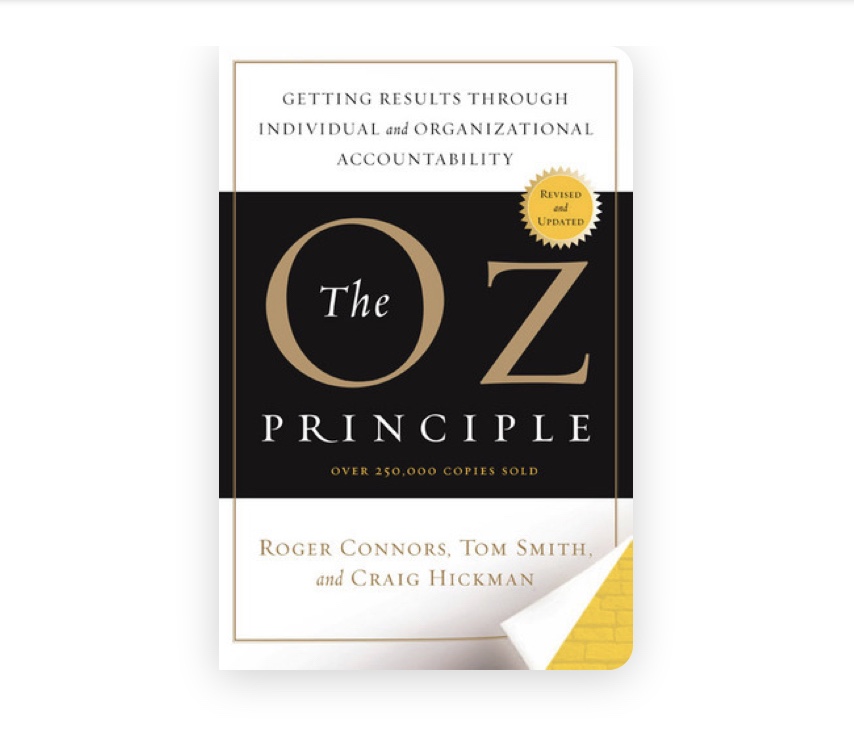
The Oz Principle: Getting Results Through Individual and Organizational Accountability

The Oz Principle, written by Roger Connors, Tom Smith, and Craig Hickman, is a popular management book that explores the concept of accountability in the workplace. The book draws on the classic story of The Wizard of Oz to illustrate how individuals and organizations can take ownership of their actions and outcomes to achieve success. In this blog post, we will summarize the main ideas of The Oz Principle and explain how they can be applied in the workplace.

The Oz Principle presents a framework for personal and organizational accountability based on four key principles: See It, Own It, Solve It, and Do It. Let’s take a closer look at each of these principles:

  1. See It: The first step in the accountability process is to see the problem or opportunity clearly. This involves identifying the root cause of the issue and understanding its impact on the organization. Seeing It requires individuals to be honest and objective in their assessment of the situation, without making excuses or blaming others.
  2. Own It: Once a problem or opportunity has been identified, the next step is to take ownership of it. This means accepting responsibility for the outcome and committing to taking action to address the issue. Owning It requires individuals to be accountable for their role in the situation, regardless of whether they were directly responsible for the problem.
  3. Solve It: The third step in the accountability process is to develop a plan to solve the problem or capitalize on the opportunity. This involves working collaboratively with others to identify and implement solutions that address the root cause of the issue. Solving It requires individuals to be proactive and creative in their problem-solving approach.
  4. Do It: The final step in the accountability process is to execute the plan and achieve the desired outcome. This involves taking action and following through on commitments to ensure that the problem is fully resolved or the opportunity is fully realized. Doing It requires individuals to be persistent and disciplined in their efforts to achieve success.

The Oz Principle emphasizes the importance of accountability in driving individual and organizational performance. By following the See It, Own It, Solve It, and Do It framework, individuals can take control of their actions and outcomes, and work together to achieve shared goals. The book provides practical tools and strategies for implementing accountability in the workplace, including the use of performance scorecards, team charters, and action plans.

In conclusion, The Oz Principle is a powerful management book that offers a fresh perspective on accountability in the workplace. Its four-step framework provides a clear roadmap for personal and organizational success, and its practical tools and strategies can be applied in a wide range of settings. By embracing the principles of See It, Own It, Solve It, and Do It, individuals and organizations can achieve greater accountability, productivity, and success.