Private Equity’s Greed Is Catching Up: Why Ordinary Americans Will Pay the Price

April 30, 2025 • By NKOZI KNIGHT

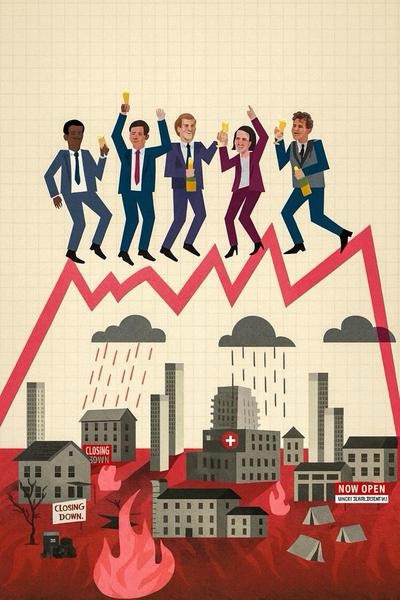
Many of us do not realize that private equity firms has always been about extraction, not creation. The model is simple. Borrow heavily, buy a company, slash jobs and benefits, sell off assets, and walk away with fees long before the damage shows. Communities are left with shuttered stores, abandoned buildings, bankrupt chains, and broken promises.

The list of casualties is long. Toys “R” Us was loaded with more than $5 billion dollars in debt by Bain Capital and KKR before it collapsed, taking 30,000 jobs with it. Payless ShoeSource closed its doors, erasing 18,000 jobs. J. Crew, Gymboree, Shopko, Forever 21, and Sears each followed the same path. Behind nearly every failure was a private equity deal that turned once-profitable companies into vehicles for debt. Blackstone, the largest of them all, drew criticism for gutting nursing homes and rental housing, where residents and tenants bore the consequences. Carlyle, Apollo, and Sycamore Partners engineered deals that enriched executives while leaving behind bankruptcies across retail, energy, and health care.

The damage has never been limited to debt. Private equity firms extract billions in fees on top of what they load onto companies. They sell the land and buildings, forcing the very businesses they own to pay rent back to them. In franchise models, they skim off royalty payments while cutting services and staff. They charge management fees to companies they already control, ensuring that even if a business fails, the firm still profits. These practices are not side effects. They are the business model.

For years the system ran on cheap money. With interest rates near zero, debt was abundant and investors were eager. Firms could buy, bleed, and flip companies in two or three years. That era is gone. Interest rates now sit above five percent. Debt costs more, buyers are scarce, and the IPO market has dried up. Firms are stuck holding companies that are drowning under the very leverage designed to enrich their owners.

The numbers are staggering. Nearly $12 trillion dollars in private equity assets now sit unsold. Exit activity has collapsed more than 70 percent since 2021. To raise cash, firms are borrowing against their own portfolios with NAV loans or dumping stakes at steep discounts on the secondary market. Even the giants like Blackstone, KKR, Apollo, Carlyle, Bain are stuck with bad debt no one wants. They cannot sell, yet their investors are demanding cash.

The quiet truth is that these firms are already maneuvering for Washington’s help. During the 2008 financial crisis, banks and insurers were rescued with taxpayer dollars. Private equity, which profited handsomely off that same collapse, is positioning itself for similar treatment.

This is not just an elite problem. It is a national one. When private equity runs out of road, it is not the billionaire partners who suffer. It is the workers whose jobs are cut, the retirees whose pensions cannot meet obligations, the students whose tuition rises because endowments cannot keep pace, and the taxpayers who are asked to backstop the system.

The parallels to 2008 are frightening. Then it was mortgage backed securities. Now it is unsellable companies and illiquid funds. In 2008, families lost homes and jobs while Wall Street was saved. Today the scale is even larger. With trillions in assets frozen, the next bailout could dwarf the last one.

Meanwhile, private equity’s destruction also extends into America’s hospitals and nursing homes and people are paying with their lives. Studies show that Medicare patients undergoing emergency surgeries in private equity–owned hospitals are 42 percent more likely to die within 30 days compared to those treated in community hospitals . A nationwide study found infections, falls, and other preventable adverse events increased following private equity takeovers of hospitals . Even the U.S. Department of Health and Human Services condemned the impact, warning that private equity ownership of nursing homes led to an 11 percent increase in patient deaths .

Recent reporting shows the financial calculus behind these tragedies. Nursing home operators in New York’s Capital Region diverted Medicare and Medicaid funds through inflated rent and bogus salaries. That left facilities chronically understaffed and suffering neglect so severe that it led to cases of serious injury and death .

By turning hospitals and nursing homes into profit centers rather than care centers, private equity firms aren’t just bankrupting businesses, they are literally killing people. And when that business model collapses, it will be everyday Americans who pay the cost once again.

The message is not subtle. If private equity’s gamble fails, the richest players will once again be saved. For ordinary Americans, the reckoning will look like it always does. Lost jobs. Higher taxes. Vanishing pensions. Rising tuition. And another generation paying for someone else’s greed.

This is the American cycle. The profits are privatized, the losses are socialized, and working families are forced to carry the cost.
The Private Equity Trap: How Harvard, Yale, and Princeton Got Caught in a Liquidity Crisis

For decades, private equity was the hottest corner of finance. The model was simple. Buy a company, cut costs, load it with debt and fees, polish the books, and sell it again within two to three years for a hefty profit. It was called the “flip,” and it made fortunes for firms like Blackstone, KKR, and Carlyle. Endowments and pensions rushed to get a piece of it.

That model is now broken.

The exits that once came fast and lucrative have slowed to a crawl. A world of near-zero interest rates is gone. Debt that once financed buyouts at minimal cost now comes with punishing interest, squeezing margins and stretching holding periods. Instead of flipping companies in two years, funds are sitting on assets for six, seven, even ten years. The portfolio backlog is staggering: more than $12 trillion worth of private equity assets sit unsold worldwide.

And at the center of this crisis are the universities that built their wealth on the promise of private equity. Harvard, Yale, and Princeton reshaped modern investing by betting heavily on illiquid alternatives. They now face the consequences of that bet.

The Death of the Flip

The two-year turnaround was never sustainable, but for a time it worked. Cheap debt fueled endless rounds of leveraged buyouts, where firms borrowed heavily, stripped assets, cut staff, and pushed companies back to market at inflated valuations.

But the cycle depended on two things: cheap money and eager buyers. Both have disappeared. The Federal Reserve’s rate hikes have doubled and tripled the cost of debt financing. Buyers are cautious, corporate balance sheets are tighter, and the IPO window remains largely shut.

Exit activity tells the story. In 2021, private equity firms sold $840 billion worth of companies. By 2023, that figure had collapsed to $234 billion, a drop of 72 percent. Even with a partial rebound in 2024 to $468 billion, exits are far too low to clear the backlog. Funds are holding twice as many assets as they did in 2019, but are selling them at the same pace as five years ago.

Without exits, distributions to investors dry up. Endowments that expected cash back to fund university budgets are left waiting.

Interest Rates as the Choke Point

Private equity’s entire model is built on leverage. A firm that buys a company for $10 billion may finance $7 billion of that price with debt, leaving just $3 billion of investor equity. If interest rates are low, debt is cheap, and any improvement in the business magnifies returns.

But with rates at five percent or higher, the math no longer works. Debt service eats into earnings. Refinancing becomes expensive or impossible. Companies bought at lofty valuations in 2020 and 2021 are now struggling to cover interest costs, let alone generate attractive profits for resale.

For the funds that hold them, paper valuations remain high, but real buyers demand discounts. That gap between reported NAV and market reality is another reason sales have slowed.

The Mechanics of Desperation

To keep investors from revolting, firms have engineered liquidity out of thin air. NAV loans lines of credit secured by the assets in a fund allow managers to borrow cash and hand it back to investors as if it were a distribution. Continuation funds where a firm sells a portfolio company from one of its funds into another fund it also controls in effect creates the illusion of an exit, while extending the holding period indefinitely.

On the investor side, endowments and pensions have turned to the secondary market, selling their stakes in private equity funds to buyers willing to take them at a discount. In 2024, secondary volume hit a record $155 billion. Harvard sold $1 billion worth of fund stakes. Yale is preparing to sell as much as $6 billion. The New York City pension system sold $5 billion. Buyers snapped them up at 10 to 15 percent discounts to stated value. For venture portfolios, the discounts were as steep as 50 percent.

These maneuvers do not solve the problem. They buy time. The only true fix is exits with real sales, IPOs, or recapitalizations and the industry is years away from clearing the overhang.

Case Studies: The Ivy League Squeeze

Harvard has a $53 billion endowment, the largest in the world. Nearly 40 percent of it is tied up in private equity. In April 2025, Harvard moved to sell $1 billion of those stakes through Jefferies, while simultaneously planning to issue $750 million in bonds. The official explanation is liquidity management, not distress. But the resemblance to 2008, when Harvard was forced to borrow billions to cover private equity calls, is unmistakable.

Yale built the “Yale model,” with nearly half of its $41 billion endowment allocated to private assets. For years, this made Yale the envy of institutional investors. But in 2024, Yale returned just 5.7 percent, compared to 13.5 percent for a basic stock-bond index. Now it is exploring a $6 billion secondary sale, nearly 15 percent of its endowment. The sale is not about strategy. It is about cash.

Princeton has a smaller endowment, about $35 billion, but the same exposure. Its longtime CIO Andrew Golden called 2023 the worst liquidity environment he had ever seen. Princeton raised $1.4 billion in bonds to shore up its balance sheet. Like Harvard and Yale, it insists the strategy is intact. But the reality is that illiquidity has become a liability.

Why This Matters to Everyday Americans

It is tempting to see this as an elite problem, billion dollar universities mismanaging their fortune. But it is not.

Endowments fund scholarships, financial aid, and core research. If Harvard or Yale faces a liquidity squeeze, it means fewer students receive aid. It means tuition rises to fill the gap. It means labs lose funding and staff lose jobs. What begins as a crisis in private equity becomes a crisis for students and families.

The same holds true in pensions. State retirement systems have billions tied up in private equity. When distributions dry up, they cannot meet obligations to retirees. That shortfall has to be covered by raising taxes, cutting benefits, or, in the worst case, turning to the federal government for relief. For millions of working and middle class Americans, this is not abstract. It is their retirement on the line.

The parallels to 2008 are chilling. Then, it was mortgage backed securities that turned toxic. Homeowners defaulted, banks failed, and Washington rushed in with taxpayer bailouts. Families lost houses, jobs, and savings, while Wall Street was rescued. Today, the scale is even larger. With twelve trillion dollars in unsold assets stuck on private equity books, the next bailout could dwarf 2008.

Imagine the politics of that moment. A populist like Donald Trump could frame it as Ivy League elites and Wall Street executives begging for lifelines while ordinary Americans pay the price. But the structural interdependence is real. If endowments and pensions buckle, the pressure on Washington to intervene may be irresistible. The federal government does not have the fiscal room to absorb another trillion dollar rescue, yet that may be exactly what is asked of it.

The burden would not fall on universities or private equity firms alone. It would fall on taxpayers, on students already struggling with debt, on workers who depend on pensions, on families already squeezed by inflation and high borrowing costs. In short, it would fall on the very people who had no hand in creating the mess.

Private equity sold itself as the smartest bet of modern finance. But the two year flip is dead, interest rates have choked the model, and endowments that once trusted in illiquidity now find themselves trapped. For everyday Americans, the lesson is as clear as it was in 2008: when the smartest people in the room gamble with other people’s money and lose, it is everyone else who ends up paying the price.

Behind Washington’s Latest Bipartisan Marvel: The Quiet Power Grab in the GENIUS Act

Date: Wisconsin, June 28, 2025

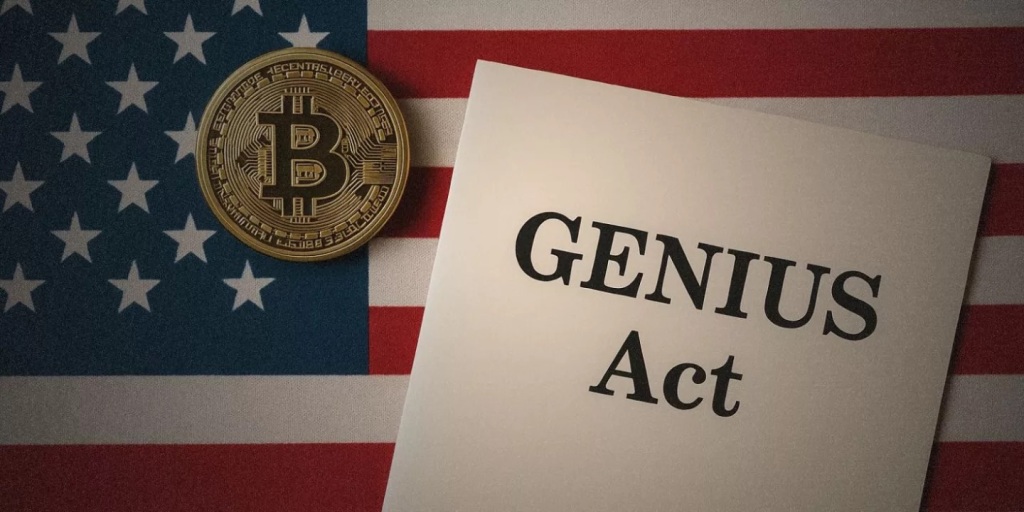
When the Senate voted 68-30 last week to pass the Guiding and Establishing National Innovation for U.S. Stablecoins Act, or better known as the GENIUS Act, the moment barely registered in a news cycle crowded with updates from the Diddy trial, ominous talk of World War III, and who does and does have have nuclear warheads a in the Middle East. Yet the bill is poised to reshape American money itself, setting the stage for bank-issued digital dollars and a vastly expanded federal role in everyday payments that will impact every Americans for the next decade.

House leaders now plan to bundle the measure with a separate market-structure bill, the CLARITY Act, and move both to the floor in a single vote as early as the week of July 7. President Trump has already signaled he will sign the package “without delay.”  

A $265 Million Campaign Pays Off

Passage caps the costliest crypto lobbying blitz on record. Industry groups and super PACs spent more than $265 million during the 2024 election cycle, which is nearly double the previous year, to elect crypto-friendly candidates and draft the very language that now governs them.  

Much of that money flowed through Fairshake, a super PAC bankrolled by Coinbase, Ripple and venture fund a16z, which alone poured over $130 million into congressional races. Thirty-three of its thirty-five endorsed candidates won which ties them with AIPAC.

The bill’s corporate sponsors read like a who’s-who of finance:

JPMorgan Chase filed a trademark for JPMD, a deposit-backed token it can now launch on Coinbase’s Base network.   PayPal and several regional banks lobbied for an exemption that lets them issue “payment stablecoins” under state charters.   World Liberty Financial, the Trump-family venture behind the USD1 stablecoin, secured a new $100 million investment from a UAE fund days before the vote.  

What the Bill Actually Does

This bill re-labels stablecoins as “payment systems,” taking them out of securities law and handing primary oversight to the Fed and the Office of the Comptroller of the Currency, creating an aura of legitimacy. It also creates a licensing moat: only banks and “permitted issuers” that meet 1-to-1 reserve, audit and AML rules can mint tokens—locking smaller DeFi projects outside the gate. Mandates monthly disclosures of reserves but allows issuers to hold short-term Treasuries, providing fresh demand for federal debt.   Bars members of Congress and their immediate families from trading stablecoins—but notably leaves the White House exempt. Senator Elizabeth Warren called this “a loophole big enough to drive a truck full of crypto through.”

The Bipartisan Pattern: Crypto and Foreign Wars

The only other legislation that has moved this smoothly across party lines in recent years is foreign-aid spending for Ukraine and Israel. In April 2024 Congress passed a $95 billion package for Ukraine, Israel and Taiwan with overwhelming majorities in both chambers, with all packages hovering over $300 billion in the last 5 years.

Critics argue the same donor class such as defense contractors abroad and crypto financiers at home, dictates both agendas. “If it involves new weapons or new money rails, Congress finds consensus,” says Sarah Bryer, a former Senate banking staffer now at watchdog group Public Citizen. “Everything else stalls.”

What Gets Missed While Washington Innovates

Poverty: The Supplemental Poverty Measure rose to 12.9 percent in 2023, the first increase in a decade.   Homelessness: More than 770,000 Americans were unhoused on a single night in January 2024, the highest count ever recorded.   Disaster Recovery: Communities from Maui to East Palestine still wait on promised federal funds years after their crises. To date the U.S. Congress has held nine hearings but passed no comprehensive relief bills for any of these victims.

Yet lawmakers devoted 18 months of hearings and four mark-ups to ensure banks can mint digital dollars.

A New Architecture for Control

Civil-liberties attorneys warn that putting money on permissioned blockchains invites mission creep. Once every transaction is traceable:

Payments can be geofenced or frozen at the click of a regulator’s dashboard. Political dissenters can be de-banked without ever seeing a courtroom. Cash’s untraceable refuge disappears, replaced by tokens that obey code written in Washington and often debugged on Wall Street.

Senator Warren, one of just eleven Democrats opposed, likened the bill to the 2000 Commodities Futures Modernization Act, which green-lit credit-default swaps before the 2008 crash. “We’re repeating history,” she warned on the floor. 

What Happens Next

If the House delivers the bill to President Trump before the July 4 recess, bank-branded stablecoins could hit the market within a year. JPMorgan’s JPMD pilot is ready; PayPal has quietly updated code to let its wallet swap into compliant tokens.

For ordinary Americans, the promise is faster payments, at least until the rules change. “Digital dollars are programmable,” notes Bryer. “Today they clear instantly. Tomorrow they refuse to buy a bus ticket to the wrong protest.”

The Bottom Line

The GENIUS Act is not just a regulatory tweak; it is the blueprint for a cashless, centrally mediated economy shaped by the largest banks, the loudest lobbyists and a White House with skin in the game. That it passed under the radar says as much about the media distractions of the moment as it does about the power of money in Washington.

As many households grapple with rising rents, increased living expenses, stubborn poverty and record homelessness, Congress has found rare harmony over who controls the future of money itself. When the dust settles, Americans may discover their new digital wallet comes with fewer rights than the battered leather one it replaced.

BlackRock Doesn’t Just Own Tech. It Owns Your Future.

BlackRock doesn’t just own parts of Apple, Microsoft, and Amazon. It owns your food supply. It owns farmland. It owns water infrastructure. And through those investments, it owns a growing stake in the future of human survival itself.

What began in 1988 as a modest Wall Street firm built on risk management is now the largest asset manager in human history. BlackRock controls over $11 trillion , which is larger than the GDP of every country in the world except the United States and China.

But what most people still don’t realize is that BlackRock’s most important power grab didn’t happen on Wall Street. It happened quietly, across America’s farmland, its food systems, and its natural resources.

How Did We Get Here?

BlackRock’s expansion strategy was never about flashy takeovers. It was about ownership without attention. They don’t need to buy entire companies when they can buy enough shares to influence them all.

Through complex index funds and ETFs (Exchange-Traded Funds), BlackRock has quietly become a top shareholder in nearly every major corporation in America. Coca-Cola. PepsiCo. Kraft Heinz. Nestlé. Tyson Foods. Monsanto-Bayer. Even the companies that compete with each other are often owned by the same hand, BlackRock.

That includes food production, packaging, seeds, fertilizers, pesticides, farmland, water rights, grocery store chains, and agribusiness suppliers.

It is a spider web so vast that very few industries operate outside of its reach.

Farmland: The New Oil

In recent years, farmland has quietly become one of the hottest investments among America’s wealthiest. But few players have been as aggressive as BlackRock and its peers like Vanguard and State Street.

Why Farmland you may ask?

Simple. Land produces food, controls water access, and holds its value against inflation. In a world of uncertainty, farmland is power.

BlackRock has invested in farmland directly and indirectly through real estate investment trusts (REITs) like Farmland Partners and Gladstone Land Corporation. In some regions, institutional investors now own an estimated 30-50% of all available farmland.

For local farmers like Paul Rettler, this creates an impossible game that no one can win. Competing against trillion-dollar firms backed by infinite capital means the consolidation of agriculture isn’t slowing down, rather it’s accelerating.

The ESG Illusion

Much of BlackRock’s public messaging has centered around ESG, which stands for: Environmental, Social, and Governance investing , a framework designed to steer money toward sustainable and ethical practices.

But behind the marketing, ESG has often allowed BlackRock to reshape industries while still investing heavily in the very corporations most responsible for environmental harm.

Larry Fink, BlackRock’s billionaire CEO, has framed ESG as both a moral obligation and a business necessity. Yet BlackRock remains one of the largest shareholders in fossil fuel giants, industrial agriculture companies, and food manufacturers responsible for deforestation and soil degradation.

As environmental groups have pointed out daily, BlackRock has the ability to change the food system overnight. But profit almost always wins over principle and we have seen this outcome time and time again.

So What Does BlackRock Want?

It’s simple: Control. Influence. Permanence.

The more essential needs a company controls such as food, water, housing, energy, the less it matters who holds political office. Ownership is the real power.

When a handful of corporations control the basic elements of survival, the public becomes renters of everything, including their health, their homes, and their future.

This is the world being built right in front of us.

Water rights in California. Farmland in the Midwest. Global seed patents. Packaging monopolies. Shipping routes. Grocery store chains. Pharmaceutical partnerships. Tech platforms controlling communication.

This is not just about selling products.

This is about owning life itself.

So what can everyday people do?

Waiting for a politician to fix this system is like waiting for a thief to return what they stole. It is not going to happen.

But the answer is not fear. The answer is awareness. The answer is action.

It starts with taking back control wherever you can.

Buy from local farmers when possible. Grow your own food even if it is just herbs in your kitchen window. Filter your water. Cook your own meals. Learn how to read ingredient labels. Support local businesses over corporations when you can.

Most importantly, do your own research. Step outside of Google, mainstream media, and the same recycled talking points coming from media companies owned by the very corporations profiting from your confusion.

Seek independent sources. Read books. Listen to people on the ground, not just those in boardrooms. Question convenience when it comes at the cost of your health.

Learn how to be less dependent on the systems designed to keep you dependent.

Because at this point, we cannot wait for RFK. We cannot wait for politicians. We cannot wait for the same people who helped build this system to suddenly tear it down.

We have to start building something different starting in our homes, in our families, in our communities.

Not because it is trendy.

But because survival has always belonged to the people willing to think for themselves, take responsibility for their lives, and protect their future by any means necessary.

Bitcoin Falls to 11-Day Low Amid Broader Tech Selloff

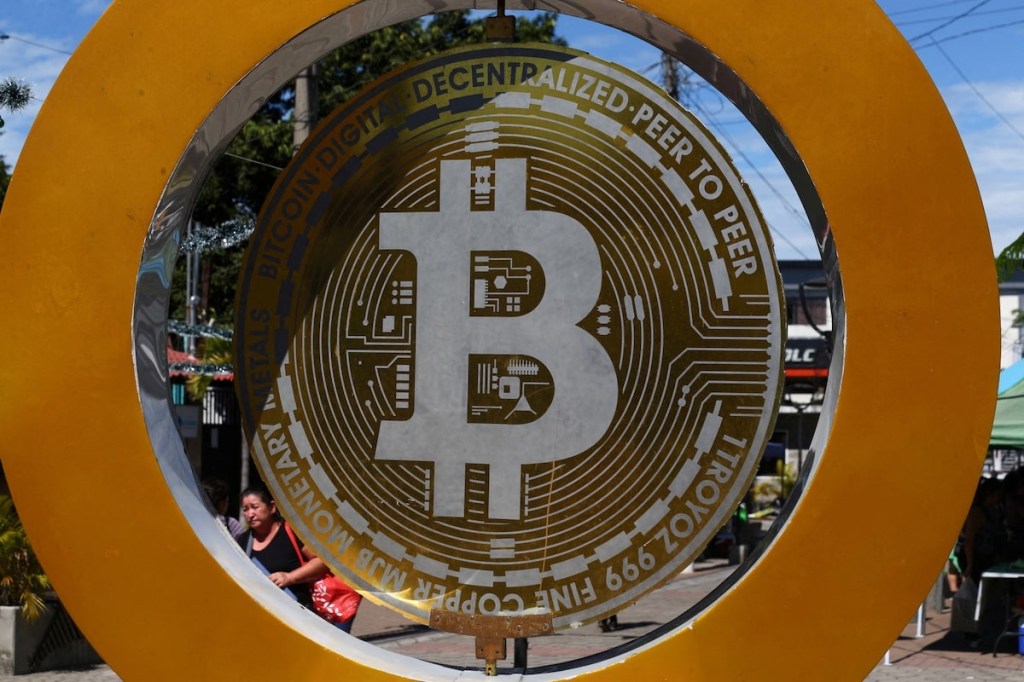
A woman passes by the Bitcoin Monument after bitcoin soared above $100,000, in Ilopango, El Salvador, December 5, 2024. 

Bitcoin fell below $100,000 on Monday, marking its lowest level in 11 days, as a wave of caution swept through global markets following a sharp selloff in tech stocks. Analysts linked the decline to investor anxiety over the surging popularity of a Chinese artificial intelligence model that has disrupted confidence in Western AI-related equities.

Bitcoin Tracks Broader Market Losses

The world’s largest cryptocurrency dropped as much as 7% during the session, trading at $98,745 by late afternoon in London. The dip follows a turbulent day for technology stocks, particularly in the AI sector, which saw significant losses after China’s DeepSeek AI launched its low-cost, high-efficiency DeepSeek-V3 model.

“Bitcoin’s decline is a direct reflection of the broader risk-off sentiment dominating markets,” said Emilia Carter, a cryptocurrency strategist at Digital Asset Partners. “The tech selloff has spooked investors, leading to a rotation out of speculative assets like Bitcoin.”

Tech Selloff Sparks Broader Market Jitters

The tech-heavy Nasdaq Composite fell 2.6%, with major players like Nvidia, Microsoft, and Alphabet posting steep losses. Nvidia, a leader in AI hardware, suffered an 11.2% drop after concerns over its competitive position in the Chinese market. Analysts suggested that DeepSeek’s rapid ascent has reshaped market dynamics, intensifying pressure on Western tech firms.

“DeepSeek’s breakthrough highlights the growing capabilities of Chinese AI firms,” said Daniel Morgan, an analyst at Synapse Capital. “This has created a ripple effect, with investors reassessing valuations across the tech sector, which in turn is affecting sentiment in other high-risk asset classes like cryptocurrencies.”

Safe-Haven Assets Gain

As riskier assets took a hit, traditional safe-havens saw gains. U.S. Treasury yields dropped, with the benchmark 10-year yield falling to 3.42%, while gold climbed 1.3% to $1,945 per ounce. The dollar weakened against major currencies, with the Japanese yen rising 0.7% to 129.50 per dollar.

“Market participants are in defensive mode, pulling back from speculative investments,” said Jonathan Knight, head of macroeconomic research at Fortress Investments. “The flight to safety reflects growing concerns about geopolitical risks and economic uncertainty.”

Bitcoin’s Outlook

Despite the drop, some analysts remain optimistic about Bitcoin’s long-term prospects. “Bitcoin has weathered similar pullbacks before, and its underlying fundamentals remain strong,” said Clara Davis, a senior researcher at CryptoAnalytics. “While short-term volatility is inevitable, the broader adoption trends for cryptocurrencies are intact.”

Still, others cautioned that Bitcoin’s correlation with risk assets could make it vulnerable to further market turbulence, especially as global economic conditions remain uncertain.

What’s Next?

Market attention now turns to how Western technology firms will respond to the competitive threat posed by DeepSeek and whether the broader tech selloff will deepen. Cryptocurrency investors, meanwhile, are watching for signs of stabilization in Bitcoin prices as the market digests the latest developments.

Tech Rout: Nvidia Plunges as China’s DeepSeek AI Soars, Investors Flock to Safe Havens

By Nkozi Knight

Global markets took a hit on Monday as technology stocks plummeted amid growing concerns over competitive pressures from China’s burgeoning AI sector. Shares of Nvidia, a key player in the artificial intelligence (AI) industry, dropped sharply, losing 11.2% in a single session. The slide came as Chinese startup DeepSeek surged in popularity with its low-cost AI model, intensifying market anxiety about the dominance of U.S. tech firms in the rapidly growing AI space.

Tech Stocks in Freefall

Nvidia, widely regarded as a leader in AI computing hardware, saw its shares nosedive after reports of slowing demand for its GPUs in China. Analysts attributed the decline to DeepSeek’s unveiling of its DeepSeek-V3 model, a highly efficient AI system offering comparable performance at a fraction of the cost.

The ripple effect hit other tech giants as well, with Microsoft, Meta Platforms, and Alphabet each recording losses of 3-5%. The Nasdaq Composite Index fell 2.6%, its worst single-day performance since December 2024.

“The competitive landscape is shifting rapidly, and this adds a new layer of uncertainty for U.S.-based AI leaders,” said Daniel Crawford, a senior equity analyst at Global Insights. “DeepSeek’s entry into the market highlights the growing sophistication of Chinese AI firms and their ability to disrupt established players.”

DeepSeek’s Meteoric Rise

DeepSeek’s DeepSeek-V3 became the most downloaded free app on Apple’s App Store within days of its launch. The AI assistant boasts advanced natural language processing capabilities and features targeted at small and medium-sized businesses, undercutting its U.S. competitors on price.

The surge in popularity underscores the increasing influence of Chinese technology companies in global markets. With heavy state-backed funding, firms like DeepSeek are rapidly closing the innovation gap with their Western counterparts.

“DeepSeek represents a ‘Sputnik moment’ for the AI industry,” said James Li, an AI researcher based in Shanghai. “This is a wake-up call for U.S. firms to accelerate innovation or risk losing their competitive edge.”

Flight to Safety

Amid the turmoil, investors sought refuge in traditional safe-haven assets. U.S. Treasury yields dropped as demand surged, with the 10-year yield falling to 3.42%. Gold also saw a 1.3% increase, closing at $1,945 per ounce. The U.S. dollar weakened against major currencies, with the euro rising 0.8% to $1.11.

“Investors are nervous, and rightfully so,” said Sophia Greene, chief market strategist at Capital Horizons. “The market is recalibrating to factor in geopolitical risks and the growing unpredictability of tech-driven disruptions.”

Outlook

The fallout from the tech sell-off has raised broader concerns about the U.S.’s ability to maintain its dominance in the AI industry. Lawmakers in Washington have called for more stringent measures to ensure domestic innovation and reduce reliance on foreign supply chains.

For now, the spotlight remains on how U.S. tech giants will respond to the threat posed by DeepSeek and other rising stars in the Chinese tech ecosystem. Investors are watching closely as the industry braces for further turbulence.

Generative AI: Transforming the Fabric of Education, Business, and Society

By Nkozi Knight

The dawn of generative artificial intelligence (AI) is not merely a technological milestone but a transformative force poised to touch every corner of our lives, reshaping the fabric of our world. Imagine a future where AI-driven systems enhance learning experiences in classrooms from rural villages to urban centers, personalize healthcare treatments globally, and revolutionize businesses, driving unprecedented innovation and efficiency. The potential for AI to create new opportunities and solve complex problems is immense, making it a topic of critical importance for everyone from tech enthusiasts to policymakers, but most importantly for everyday citizens.

A Revolution in Our Society

Generative AI has begun to alter the societal landscape significantly. Major advancements by platforms like OpenAI’s ChatGPT and Google’s Gemini Advanced demonstrate AI’s capabilities in creating human-like text and solving complex problems. These tools are increasingly integrated into customer service, content creation, and strategic decision-making processes. According to McKinsey, over 55% of organizations now use AI in at least one business unit, up from 20% in 2017 .

This surge in adoption highlights the tangible benefits of AI, such as cost reductions and revenue increases. For instance, the use of AI in human resources has led to significant cost savings, while its application in supply chain management has boosted revenues by over 5% . However, this rapid integration is not without challenges, as issues like data privacy, intellectual property, and the accuracy of AI outputs remain pressing concerns .

Education: A New Frontier

In the realm of education, generative AI is revolutionizing how students learn and educators teach. AI-driven platforms are providing personalized learning experiences, adaptive testing, and real-time feedback, thereby making education more accessible and tailored to individual needs. Google’s Gemini Advanced, for example, can create interactive learning modules that adapt to a student’s progress, enhancing engagement and retention.

According to UNESCO, the thoughtful integration of AI into education systems can support lifelong learning and bridge educational gaps by providing resources to underprivileged communities . However, there is a caveat; an over-reliance on technology without adequate human oversight could undermine educational standards and equity.

Business Innovations

Generative AI is also making waves in the business sector, driving operational efficiencies and strategic advancements. Companies are leveraging AI for marketing, sales, product development, and customer engagement. Deloitte’s insights reveal that businesses are moving from pilot projects to large-scale AI deployments, aiming to realize tangible benefits such as improved efficiency and innovation .

AI-driven analytics are enabling businesses to make more informed decisions, ultimately driving growth and competitiveness. For example, AI’s ability to analyze vast amounts of data quickly and accurately helps companies to identify market trends, optimize supply chains, and enhance customer experiences.

Comparing AI Platforms

Different AI platforms bring unique strengths to the table. Here’s a detailed comparison of some leading generative AI tools:

OpenAI’s ChatGPT is exceptional at natural language generation, versatile across multiple domains including customer service, creative writing, and coding assistance. It’s best suited for general-purpose use, especially for enterprises needing versatile AI capabilities.

Google’s Gemini Advanced integrates seamlessly with Google services, providing real-time internet data and robust solutions for data analytics and enterprise applications. It’s ideal for businesses looking for deep integration with Google’s ecosystem, real-time data processing, and enhanced search capabilities.

Apple’s AI system focuses on privacy-centric AI solutions, ensuring secure data management while delivering powerful performance. This makes it a great choice for users and organizations prioritizing data privacy and security.

Microsoft’s Copilot is integrated with the Microsoft Office Suite, enhancing productivity tools like Word and Excel with AI capabilities. It’s perfect for office productivity enhancements, particularly for enterprises that extensively use Microsoft products.

Anthropic’s Claude emphasizes safety and ethical AI use, with a customizable conversational tone and a large context window. It’s best for ethical AI applications and businesses needing secure content generation.

Cohere’s Generate (Command) offers straightforward API integration for text generation, focusing on business use cases like copywriting and data extraction. This tool is well-suited for businesses needing seamless API integration for text generation and analysis.

Midjourney excels at creating artistic and highly stylized images, making it ideal for creative industries and artists looking to enhance their visual content.

DALL·E 3 is easy to use for AI image generation, capable of creating photorealistic and imaginative visuals. It’s best for marketing, design, and any application requiring high-quality images.

These platforms reflect the diverse approaches tech giants are taking to capture the AI market. OpenAI’s emphasis on broad accessibility contrasts with Google’s enterprise-focused strategies and Apple’s commitment to privacy, catering to varied user needs and preferences .

Societal Implications

Generative AI’s societal impact extends beyond business and education. It influences cultural production, healthcare, and even social interactions. AI-generated content, such as music and art, challenges traditional notions of creativity and authorship. In healthcare, AI-driven diagnostic tools and personalized treatment plans are revolutionizing patient care, offering more accurate and timely interventions .

However, these advancements come with ethical considerations. The potential for job displacement, biases in AI algorithms, and the need for regulatory frameworks are critical issues that society must address. Ensuring that AI development is inclusive and benefits all segments of society is paramount.

As generative AI continues to evolve, its role in shaping our future becomes increasingly significant. Whether in classrooms, boardrooms, or everyday life, AI is set to redefine the parameters of possibility, ushering in an era of unprecedented innovation and change.

For more insights on AI and its impact, visit NkoziKnight.com.

Unveiling Africa’s Economic Boom Behind the Headlines

By Nkozi Knight, GreenHomeHub, Knight Investment Group

April 19, 2024

Embracing Africa’s economic upswing, a group of entrepreneurs mirrors the continent’s colorful ascent on the global stage.

African Original travel-reality series, Ebuka Turns Up Africa, featuring celebrated Nigerian star Ebuka Obi-Uchendu.

My journey into the heart of Africa’s economic boom began with conversations with my oldest daughter Nkozia who is a frequent visitor to the continent, and my curiosity further peaked from my sectional sofa as I became captivated by Amazon Prime’s series “Ebuka Turns up Africa”. In this television series, Ebuka Obi-Uchendu travels across the continent, exploring hidden gems and navigating the complexities of friendships, relationships, finances, and loyalties. Inspired by the vibrancy and spirit shown in each episode, I was interested in diving deeper and upon my research, I discovered a reality about the continent that is vastly different than the Western media portrayals that mostly reflect poverty and conflict.

The Children of Hope campaign in Malawi presents a snapshot often seen in Western media: youthful faces finding joy amidst the challenges often depicted across the continent.

For years, Africa’s narrative has been dynamically shifting. Long portrayed as a continent primarily of destitution and despair, the real Africa has a much different story. A rich story of booming economies, groundbreaking technologies, and cultural renaissance. This narrative shift reflects a continent ripe with opportunities and a hotbed for growth and innovation in places like my home country of Nigeria, challenging the outdated views held by much of the Western and European media.

Nigeria: The Economic Powerhouse
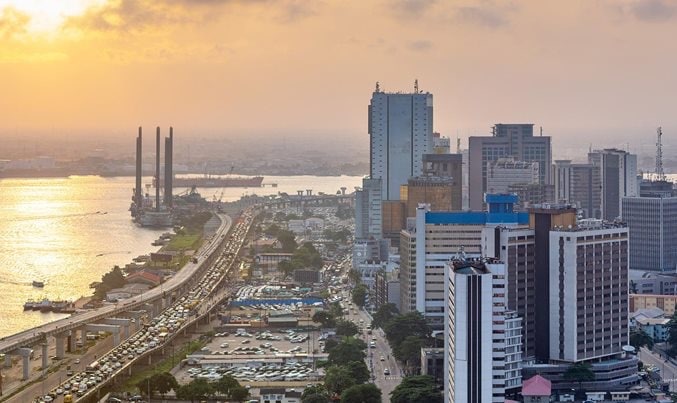
Leading Africa’s economic charge is Nigeria, currently the continent’s richest country with a GDP of $477 billion as of 2022. With projections by the International Monetary Fund suggesting an ascent to $915 billion by 2028, Nigeria’s economy, fueled by its diverse sectors including oil, gas, and technology, shows no signs of slowing down. Its burgeoning tech industry, particularly in cities like Lagos and Abuja, underscores a broader trend across the continent: a leap into digital and technological entrepreneurship.

The city of Lagos has the tallest skyline in Nigeria. 

Infrastructure and Regional Giants
Significant infrastructural developments such as Ethiopia’s Renaissance Dam and Kenya’s expansion of the Mombasa-Nairobi railway illustrate serious strides toward modernization and improved regional connectivity. These projects not only support economic growth but also enhance the daily lives of millions, with technology at the forefront of this renaissance.


Africa’s tech revolution extends beyond my home country of Nigeria. Innovations in mobile banking and renewable energy are pivotal. Mobile banking has transformed financial access for millions, demonstrating a leapfrog over traditional banking barriers. In the realm of sustainable development, nations like Morocco, where my daughter attends school, and South Africa are harnessing wind and solar power, setting new benchmarks for renewable energy.

The cultural sectors throughout Africa is thriving, making significant inroads on the global stage. Nigerian music, South African films, and Ghanaian fashion are capturing international audiences, showcasing the continent’s rich and diverse cultural heritage, and its something to truly be admired.

Cape Town South Africa

Economic Landscape

The economic landscape across Africa is as rich and varied as its cultural tapestry, with nations like South Africa and Egypt featuring robust, diversified economies that span mining, agriculture, and a burgeoning service and tourism industry. Algeria’s substantial oil and natural gas reserves play a crucial role in its financial health, echoing Angola’s reliance on its natural resources. Morocco’s vibrant economy thrives on tourism, agriculture, and a growing industrial sector.

Also, Kenya’s status as a regional economic hub is cemented by its diverse economy that embraces services, agriculture, and tourism. Ghana’s growth is buoyed by its agricultural base, complemented by significant oil and gas sectors. Tanzania, where my daughter recently visited, leverages its natural beauty and resources with a flourishing tourism and finance sector. Meanwhile, the beautiful people of Ethiopia are charting a path of rapid economic expansion, driven by sectors such as agriculture, manufacturing, and ambitious infrastructure projects.

The economic diversity across Africa is a story we need to hear more of as it reflects the resilience of the continent’s people who still deal with the theft of resources from European countries who often threaten to make topple their governments if they refuse to comply. Despite this, Africa’s adaptive and innovative spirit helps shape a new narrative of prosperity on the global economic stage.

Ethiopian Airlines pilot and flight crew

Confronting Stereotypes

Yet, despite these successes, Western portrayals often remain focused on negative aspects, overshadowing the continent’s achievements. This skewed narrative can influence public perception and policy in ways that are not reflective of the current African reality. African leaders and thinkers are calling for a more balanced portrayal that recognizes both the challenges and the immense progress being made.

Ebuka Turns up Africa

As the stories of 2024 unfold, it’s evident that Africa’s rise is not just in spite of Western media narratives but perhaps because it defies them. From the bustling markets of Cairo to the stunning vineyards of Cape Town, innovation, growth, and cultural vibrancy weave a rich tapestry that demands a global reevaluation. The legacy of resource extraction by countries like France and Great Britain is being overwritten by a new chapter of African self-determination and prosperity.

Shows like Ebuka Turns up Africa serve as a clarion call, inviting viewers to step beyond the screen and witness firsthand the continent’s transformation. The call is not just to watch, but to participate; to swap the well-trodden paths to Europe or the beaches of Mexico for the opportunity to immerse oneself in the tapestry of Africa’s economic prowess and cultural renaissance.

Let 2024 be the year where more travelers like myself, choose African destinations, where investment flows not just to traditional markets but to the burgeoning cities and industries across the African continent. This is not just an invitation; it’s a call to be part of a historical movement where one can witness a continent coming into its own, with success stories like Ebuka’s becoming the norm, celebrated and shared with the world. It’s time to rise from our sofas, set foot on African soil, and experience the continent’s heartbeat for ourselves.

BRICS Expansion: The Biggest Challenge to the US Dollar?

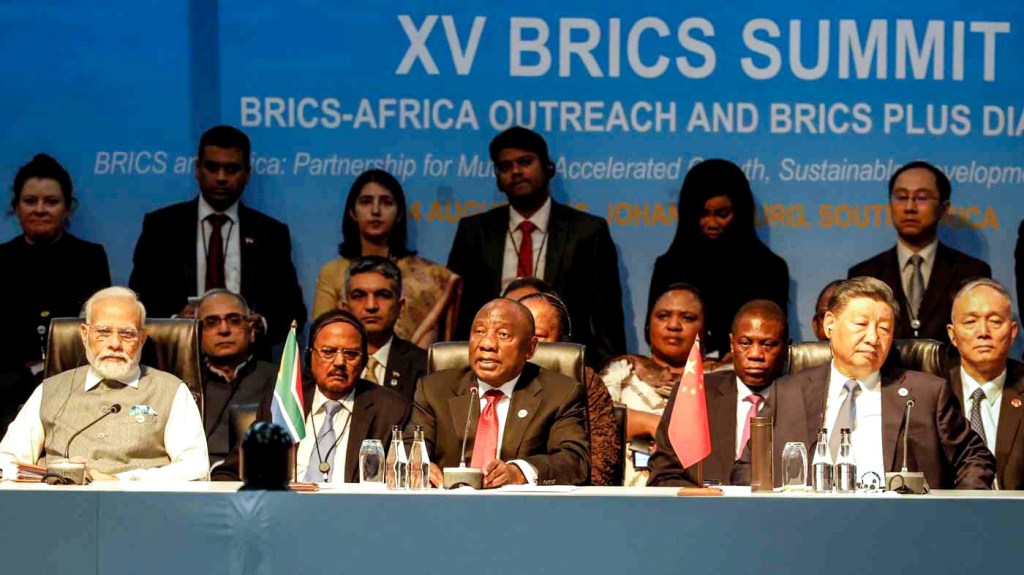
BRICS, a coalition of emerging markets comprising Brazil, Russia, India, China, and South Africa, is welcoming six new members: Saudi Arabia, Iran, Egypt, Argentina, Ethiopia, and the United Arab Emirates. This growth aims to craft a fairer, inclusive, and prosperous world, says South African President Cyril Ramaphosa.

Historically, BRICS has aspired to strengthen its geopolitical standing to challenge Western dominance. Notably, the integration of significant energy exporters like Saudi Arabia, Iran, and the UAE will bolster this mission. Moreover, the potential lineup of countries eager to join BRICS reflects the world’s increasing disaffection with a primarily US-led global order.

However, some economists, like Gregory Daco from EY-Parthenon, express skepticism about BRICS matching the power of Western alliances like the G7 in the foreseeable future. The ambition to reduce dollar dependence (de-dollarization) appears ambitious, especially given the differing strategic priorities of BRICS members.

The concept of a unified BRICS currency to counterbalance the dollar has been a recurring theme, stirred up by remarks from Brazilian President Luiz Inácio Lula da Silva questioning the US dollar’s dominance. Yet, not all are on board with the idea. South Africa’s finance minister, Enoch Godongwana, recently voiced reservations about losing monetary policy independence with such a move. Moreover, the term BRIC’s creator, Jim O’Neill, called the idea of a shared currency “ridiculous,” referencing the challenges posed by political tensions between members like India and China.

While the prospect of a unified BRICS currency remains distant, the bloc is undeniably trying to lessen its dollar dependency. The group has expressed intentions to decrease reliance on the US dollar in international trade. Emphasizing this sentiment, Russian President Vladimir Putin highlighted the growing momentum of de-dollarization efforts. Moreover, there’s talk of promoting the Chinese renminbi as a reserve currency.

However, these ambitions face steep challenges. As of 2022, the US dollar was used in nearly 90% of global foreign exchange transactions. The renminbi represented a mere 2.5% of foreign exchange reserves, making its rise to challenge the US dollar, at least for now, a far-off dream. While BRICS grows and evolves, the journey to a post-dollar world seems laden with complexities and hurdles.

Fitch Downgrades U.S. Credit Rating Amid Rising Deficits and Political Turmoil

In a recent blow to the United States, Fitch Ratings has downgraded the nation’s credit rating from the highest possible AAA to AA+. The rating agency attributed the drop to increasing deficits and political conflict, which they believe threaten the government’s capacity to service its debts.

This decision was made two months following a last-minute agreement between the Biden administration and House Republicans to temporarily raise the debt ceiling, thereby narrowly dodging a potentially catastrophic federal default.

This isn’t the first time the U.S. has faced such a demotion. Back in 2011, amid a similar crisis regarding the debt ceiling, Standard & Poor’s reduced the United States’ AAA rating. At present, Moody’s Investors Service is the only major credit rating agency that continues to assign the U.S. the top AAA rating.

Despite recognizing the robustness of the U.S. economy and the benefits reaped from the dollar’s position as the world’s primary currency, Fitch expressed concerns about the escalating deficits and both political parties’ reluctance to address long-term fiscal issues. Fitch voiced limited faith in the government’s ability to effectively manage the country’s finances.

In response to the downgrade, Treasury Secretary Janet Yellen criticized Fitch’s decision as “arbitrary” and reliant on obsolete data. She emphasized that “Treasury securities remain the world’s preeminent safe and liquid asset” and affirmed the underlying strength of the U.S. economy.

According to Fitch, the expenditure caps set as part of the recent debt agreement in June merely scratch the surface of the overall budget and do not confront enduring issues, such as financing Social Security and Medicare for an aging populace.

With tax reductions and elevated government expenditure leading to an expansion of deficits in recent years, and coupled with increasing interest rates, the fiscal burden has grown. Government interest payments in the first nine months of the current fiscal year amounted to $652 billion, marking a 25% rise from the same period last year.

Maya Macguineas, the president of the Committee for a Responsible Federal Budget, responded to the downgrade, terming it a “wake-up call.” She stressed the urgent need for fiscal responsibility, stating, “We are clearly on an unsustainable fiscal path. We need to do better.”

The repeated political standoffs over the debt ceiling have not only eroded the faith in U.S. fiscal management but also put the longstanding reputation of U.S. government bonds at risk. For close to a hundred years, these bonds have been considered some of the safest investments globally, primarily because the U.S. seemed unlikely to default on payments.

However, with the recent debt ceiling impasses, there is growing concern that the U.S. might default for the first time. Over a decade ago, S&P pointed out political discord as a significant risk to the country’s governing ability, and many experts opine that the situation has deteriorated since.

The Meteoric Rise of Online Gambling and The Destructive Impact On Sports, Athletes, and Fans

As the digitization of daily life accelerates, the world of gambling is not immune to this transition. Recent years have witnessed an explosion of online gambling, fueled by large media sports outlets, with ESPN leading the charge, often making sports shows unwatchable. This shift has profound implications for the sporting world, the athletes at its center, and the fans, young and old, who passionately follow their favorite teams and players.

The Push from Sports Outlets

For sports media platforms, the digitization of gambling represents a new frontier of audience engagement and a fresh stream of revenue. ESPN has been at the forefront of this transformation, incorporating gambling lines, odds, and statistics into their sports coverage. Last month at the NBA draft, a betting line was changed when NBA Insider Sham Charania posted that Scoot Henderson was “gaining serious momentum” as the No. 2 pick. The problem is Sham Charania is a paid brand name ambassador for Fan Duel and his tweet resulted in millions of dollars changing hands with what many consider was bad information. This brought to light the lack of regulations and oversight to prevent conflict of interest between members of the media who can influence betting markets and company’s like Fan Duel. Companies like ESPN and Fox Sports continue to blur the lines as they have effectively mainstreamed sports betting, lending an air of legitimacy to an activity previously associated with the outskirts of the sporting world.

ESPN, owned by Disney, and other sports outlets are leveraging their immense influence to not only provide sports news but also to shape the way fans engage with sports. By introducing betting elements in their broadcasts, these platforms have turned viewership into an interactive, higher-stakes experience. Now, fans aren’t just rooting for their team; they’re also potentially reaping financial gains or losing everything from the outcome.

Impact on Sports and Athletes

This increased focus on gambling has significant implications for the sports themselves and the athletes who compete. One major concern is the threat to the integrity of sports. While most bets are placed in good faith, there is an increased risk of match-fixing and corruption as the volume of sports betting grows. Several NFL players were recently suspended for betting on games, potentially ruining their careers and livelihoods. Rigging a game for betting gains may become tempting to unscrupulous individuals, casting a shadow over the purity of competition.

For athletes, the rise of online gambling can present a new kind of pressure. Knowing that their performance can affect not only their team’s fortunes but also the financial outcomes of countless fans adds a unique stressor. This added pressure could affect their performance, either spurring them on to greater heights or causing them to buckle under the weight of expectation.

Impact on Fans

From the fans’ perspective, the rise of online gambling has transformed the way they engage with sports. It’s no longer just about cheering for your team; now, there’s a personal stake in the game’s outcome. For some, this adds an exciting new dimension to their fandom, heightening the thrills of victory and the agonies of defeat. But for others, it can lead to financial distress and potential addiction.

Furthermore, there’s the potential to alter the dynamic between fans and athletes. Instead of viewing athletes as individuals who are striving for success in their sport, they may increasingly see them as mere components of their betting strategies. This could potentially lead to a dehumanization of athletes and a detachment from the essential spirit of sports.

As the rise of online gambling continues, fueled by sports outlets such as ESPN, Fox Sports, and CBS, it’s imperative that we carefully consider and address its potential impacts. Regulation will play a key role in ensuring the integrity of sports and protecting fans from financial exploitation. As we move forward, it’s crucial to regulate this new landscape with the goal of preserving the core values of sports: competition, teamwork, and integrity for this generation and generations to come.

British Billionaire Hamish Harding 1 of 5 missing on Titanic expedition in the Atlantic

A British billionaire who is feared to be on board the missing Titanic tourist submarinewrote a last post warning about temperamental weather conditions ahead of the mission. 

Billionaire Hamish Harding, who has previously travelled on the Challenger Deep to the bottom of the ocean and on Jeff Bezos’ Blue Origin into space, posted on Instagram on Sunday to announce he was joining OceanGate Expeditions for their Titanic mission. That was the last time he posted before news broke that the submersible is missing somewhere in the Atlantic Ocean. In his eerie last post before the mission, Mr Harding said it would be “the first and only manned mission to the Titanic in 2023”. The father-of-two has not been heard from since.

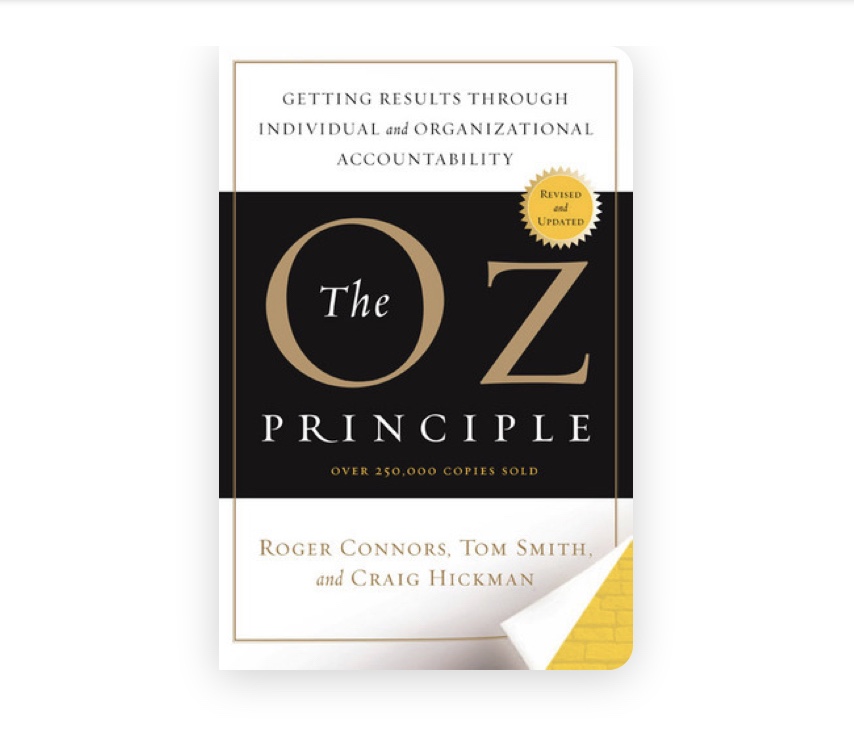
The Oz Principle: Getting Results Through Individual and Organizational Accountability

The Oz Principle, written by Roger Connors, Tom Smith, and Craig Hickman, is a popular management book that explores the concept of accountability in the workplace. The book draws on the classic story of The Wizard of Oz to illustrate how individuals and organizations can take ownership of their actions and outcomes to achieve success. In this blog post, we will summarize the main ideas of The Oz Principle and explain how they can be applied in the workplace.

The Oz Principle presents a framework for personal and organizational accountability based on four key principles: See It, Own It, Solve It, and Do It. Let’s take a closer look at each of these principles:

  1. See It: The first step in the accountability process is to see the problem or opportunity clearly. This involves identifying the root cause of the issue and understanding its impact on the organization. Seeing It requires individuals to be honest and objective in their assessment of the situation, without making excuses or blaming others.
  2. Own It: Once a problem or opportunity has been identified, the next step is to take ownership of it. This means accepting responsibility for the outcome and committing to taking action to address the issue. Owning It requires individuals to be accountable for their role in the situation, regardless of whether they were directly responsible for the problem.
  3. Solve It: The third step in the accountability process is to develop a plan to solve the problem or capitalize on the opportunity. This involves working collaboratively with others to identify and implement solutions that address the root cause of the issue. Solving It requires individuals to be proactive and creative in their problem-solving approach.
  4. Do It: The final step in the accountability process is to execute the plan and achieve the desired outcome. This involves taking action and following through on commitments to ensure that the problem is fully resolved or the opportunity is fully realized. Doing It requires individuals to be persistent and disciplined in their efforts to achieve success.

The Oz Principle emphasizes the importance of accountability in driving individual and organizational performance. By following the See It, Own It, Solve It, and Do It framework, individuals can take control of their actions and outcomes, and work together to achieve shared goals. The book provides practical tools and strategies for implementing accountability in the workplace, including the use of performance scorecards, team charters, and action plans.

In conclusion, The Oz Principle is a powerful management book that offers a fresh perspective on accountability in the workplace. Its four-step framework provides a clear roadmap for personal and organizational success, and its practical tools and strategies can be applied in a wide range of settings. By embracing the principles of See It, Own It, Solve It, and Do It, individuals and organizations can achieve greater accountability, productivity, and success.

How the FDIC bailouts will impact the economy and impacts all taxpayers

The recent bank failures and the FDIC bailout can have significant impacts on our economy. Here are some ways it may affect us:

  1. Confidence in the banking system: The bank failures and the FDIC bailout may erode consumer and investor confidence in the banking system. When people start to doubt the stability and safety of their banks, they may withdraw their deposits, which can lead to a liquidity crisis and a domino effect of more bank failures. This, in turn, can cause a ripple effect throughout the economy, including decreased lending, lower consumer spending, and a potential recession.
  2. Cost to taxpayers: The FDIC bailout is funded by taxpayers’ money, and the cost of resolving failed banks can be significant. The more banks fail, the higher the cost to the FDIC and the taxpayers. This can divert resources from other government programs and cause budget deficits, which may have long-term consequences on the economy.
  3. Impact on small businesses: Small businesses heavily rely on loans from banks to finance their operations, and the recent bank failures can make it more difficult for them to access credit. With fewer banks and tighter lending standards, small businesses may have to pay higher interest rates or be forced to scale back their operations, which can slow down economic growth and job creation.
  4. Impact on the housing market: The banking sector plays a crucial role in the housing market, as they provide mortgage loans to homeowners. The recent bank failures can lead to a tightening of credit standards and a decrease in the availability of mortgage loans. This can result in lower home prices, decreased demand for housing, and potential foreclosures.

In conclusion, the recent bank failures and the FDIC bailout can have significant impacts on our economy, including decreased confidence in the banking system, increased costs to taxpayers, reduced access to credit for small businesses, and potential impacts on the housing market. It is crucial for policymakers and financial institutions to take steps to stabilize the banking system and restore confidence to prevent further disruptions to the economy.