Fitch Downgrades U.S. Credit Rating Amid Rising Deficits and Political Turmoil

In a recent blow to the United States, Fitch Ratings has downgraded the nation’s credit rating from the highest possible AAA to AA+. The rating agency attributed the drop to increasing deficits and political conflict, which they believe threaten the government’s capacity to service its debts.

This decision was made two months following a last-minute agreement between the Biden administration and House Republicans to temporarily raise the debt ceiling, thereby narrowly dodging a potentially catastrophic federal default.

This isn’t the first time the U.S. has faced such a demotion. Back in 2011, amid a similar crisis regarding the debt ceiling, Standard & Poor’s reduced the United States’ AAA rating. At present, Moody’s Investors Service is the only major credit rating agency that continues to assign the U.S. the top AAA rating.

Despite recognizing the robustness of the U.S. economy and the benefits reaped from the dollar’s position as the world’s primary currency, Fitch expressed concerns about the escalating deficits and both political parties’ reluctance to address long-term fiscal issues. Fitch voiced limited faith in the government’s ability to effectively manage the country’s finances.

In response to the downgrade, Treasury Secretary Janet Yellen criticized Fitch’s decision as “arbitrary” and reliant on obsolete data. She emphasized that “Treasury securities remain the world’s preeminent safe and liquid asset” and affirmed the underlying strength of the U.S. economy.

According to Fitch, the expenditure caps set as part of the recent debt agreement in June merely scratch the surface of the overall budget and do not confront enduring issues, such as financing Social Security and Medicare for an aging populace.

With tax reductions and elevated government expenditure leading to an expansion of deficits in recent years, and coupled with increasing interest rates, the fiscal burden has grown. Government interest payments in the first nine months of the current fiscal year amounted to $652 billion, marking a 25% rise from the same period last year.

Maya Macguineas, the president of the Committee for a Responsible Federal Budget, responded to the downgrade, terming it a “wake-up call.” She stressed the urgent need for fiscal responsibility, stating, “We are clearly on an unsustainable fiscal path. We need to do better.”

The repeated political standoffs over the debt ceiling have not only eroded the faith in U.S. fiscal management but also put the longstanding reputation of U.S. government bonds at risk. For close to a hundred years, these bonds have been considered some of the safest investments globally, primarily because the U.S. seemed unlikely to default on payments.

However, with the recent debt ceiling impasses, there is growing concern that the U.S. might default for the first time. Over a decade ago, S&P pointed out political discord as a significant risk to the country’s governing ability, and many experts opine that the situation has deteriorated since.

What strategies do you use to increase comfort in your daily life?

As a middle aged man who’s carved a successful path in the financial sector, I’ve found that my comfort hinges on a delicate balance between my work, personal life, and my community. In the high-stakes world of finance, taking care of my health through regular workouts and healthy food choices is not just an option; it’s a necessity to keep my mind sharp. But mental strength, for me, goes beyond the physical—it’s about finding moments of calm amidst the chaos, stealing some quiet moments for meditation, and making sure I get enough rest to recharge. And while I do value my “me time,” the relationships I’ve built—with my family, friends, and mentors—play a crucial role in my overall well-being. Their understanding and support make a world of difference to my emotional comfort. And of course, being in finance, planning ahead and managing my time well helps maintain my comfort levels—it’s always better to stay ahead of the game, whether it’s money matters or just life in general. That’s how I ensure a sense of comfort and peace in my everyday life.

The Meteoric Rise of Online Gambling and The Destructive Impact On Sports, Athletes, and Fans

As the digitization of daily life accelerates, the world of gambling is not immune to this transition. Recent years have witnessed an explosion of online gambling, fueled by large media sports outlets, with ESPN leading the charge, often making sports shows unwatchable. This shift has profound implications for the sporting world, the athletes at its center, and the fans, young and old, who passionately follow their favorite teams and players.

The Push from Sports Outlets

For sports media platforms, the digitization of gambling represents a new frontier of audience engagement and a fresh stream of revenue. ESPN has been at the forefront of this transformation, incorporating gambling lines, odds, and statistics into their sports coverage. Last month at the NBA draft, a betting line was changed when NBA Insider Sham Charania posted that Scoot Henderson was “gaining serious momentum” as the No. 2 pick. The problem is Sham Charania is a paid brand name ambassador for Fan Duel and his tweet resulted in millions of dollars changing hands with what many consider was bad information. This brought to light the lack of regulations and oversight to prevent conflict of interest between members of the media who can influence betting markets and company’s like Fan Duel. Companies like ESPN and Fox Sports continue to blur the lines as they have effectively mainstreamed sports betting, lending an air of legitimacy to an activity previously associated with the outskirts of the sporting world.

ESPN, owned by Disney, and other sports outlets are leveraging their immense influence to not only provide sports news but also to shape the way fans engage with sports. By introducing betting elements in their broadcasts, these platforms have turned viewership into an interactive, higher-stakes experience. Now, fans aren’t just rooting for their team; they’re also potentially reaping financial gains or losing everything from the outcome.

Impact on Sports and Athletes

This increased focus on gambling has significant implications for the sports themselves and the athletes who compete. One major concern is the threat to the integrity of sports. While most bets are placed in good faith, there is an increased risk of match-fixing and corruption as the volume of sports betting grows. Several NFL players were recently suspended for betting on games, potentially ruining their careers and livelihoods. Rigging a game for betting gains may become tempting to unscrupulous individuals, casting a shadow over the purity of competition.

For athletes, the rise of online gambling can present a new kind of pressure. Knowing that their performance can affect not only their team’s fortunes but also the financial outcomes of countless fans adds a unique stressor. This added pressure could affect their performance, either spurring them on to greater heights or causing them to buckle under the weight of expectation.

Impact on Fans

From the fans’ perspective, the rise of online gambling has transformed the way they engage with sports. It’s no longer just about cheering for your team; now, there’s a personal stake in the game’s outcome. For some, this adds an exciting new dimension to their fandom, heightening the thrills of victory and the agonies of defeat. But for others, it can lead to financial distress and potential addiction.

Furthermore, there’s the potential to alter the dynamic between fans and athletes. Instead of viewing athletes as individuals who are striving for success in their sport, they may increasingly see them as mere components of their betting strategies. This could potentially lead to a dehumanization of athletes and a detachment from the essential spirit of sports.

As the rise of online gambling continues, fueled by sports outlets such as ESPN, Fox Sports, and CBS, it’s imperative that we carefully consider and address its potential impacts. Regulation will play a key role in ensuring the integrity of sports and protecting fans from financial exploitation. As we move forward, it’s crucial to regulate this new landscape with the goal of preserving the core values of sports: competition, teamwork, and integrity for this generation and generations to come.

British Billionaire Hamish Harding 1 of 5 missing on Titanic expedition in the Atlantic

A British billionaire who is feared to be on board the missing Titanic tourist submarinewrote a last post warning about temperamental weather conditions ahead of the mission. 

Billionaire Hamish Harding, who has previously travelled on the Challenger Deep to the bottom of the ocean and on Jeff Bezos’ Blue Origin into space, posted on Instagram on Sunday to announce he was joining OceanGate Expeditions for their Titanic mission. That was the last time he posted before news broke that the submersible is missing somewhere in the Atlantic Ocean. In his eerie last post before the mission, Mr Harding said it would be “the first and only manned mission to the Titanic in 2023”. The father-of-two has not been heard from since.

Why Do Zoom Meetings Make Us So Sleepy? Unveiling the Mystery of Video Conference Fatigue

Over the past few years, the rise of remote work and the need for social distancing have transformed video conferencing tools like Zoom into a ubiquitous communication platform. While these virtual meetings have enabled people to stay connected and productive, many have also reported feeling excessively tired and sleepy after participating in them. In this article, we will explore the reasons behind this phenomenon, often referred to as ‘Zoom fatigue,’ and discuss ways to mitigate its effects.

Reduced Non-verbal Communication

One of the primary reasons for Zoom fatigue is the inherent limitations of non-verbal communication in video calls. In face-to-face interactions, we rely on a plethora of non-verbal cues, such as body language, facial expressions, and tone of voice, to fully grasp the meaning behind someone’s words. However, video calls make it challenging to perceive these cues, as participants often appear in small windows with limited visibility. This forces our brains to work harder to decipher the information, leading to cognitive overload and, ultimately, fatigue.

Constant Self-awareness

Another factor contributing to Zoom fatigue is the increased self-awareness that comes with being on camera. Many people find it difficult to ignore their own video feed, leading to a heightened sense of self-consciousness. This constant self-monitoring can be mentally draining and may cause feelings of exhaustion.

Lack of Physical Movement

During in-person meetings, participants could move around, stretch their legs, and change their posture. In contrast, video calls often require attendees to remain seated and relatively stationary in front of their screens. This lack of physical movement can lead to stiffness, discomfort, and drowsiness.

Screen Overload

In today’s digital world, many of us spend a significant portion of our day staring at screens. Adding video calls to an already screen-heavy routine can exacerbate eye strain and lead to a feeling of fatigue. Moreover, the blue light emitted by screens can disrupt our circadian rhythms, making it more difficult to fall asleep at night.

Back-to-Back Meetings

In a remote work environment, back-to-back video calls are a common occurrence. Without the natural breaks that come with in-person meetings, such as walking to a different room or engaging in casual conversation, Zoom meetings can become an unrelenting series of virtual encounters. This lack of downtime between meetings can contribute to mental exhaustion and feelings of sleepiness.

Strategies to Combat Zoom Fatigue

  1. Schedule Breaks: Allocate time for short breaks between meetings to allow your brain to rest and recharge.
  2. Encourage Movement: Stand up, stretch, or walk around during video calls to maintain energy levels and reduce stiffness.
  3. Limit Screen Time: Schedule regular screen-free periods throughout your day to reduce eye strain and fatigue.
  4. Use Audio-only Calls: When appropriate, switch to audio-only calls to give your eyes a break and reduce self-consciousness.
  5. Optimize Your Environment: Ensure your workspace is well-lit and ergonomic to minimize physical discomfort and promote alertness.

Zoom fatigue is a real and prevalent issue faced by many people participating in video conference meetings. By understanding the factors that contribute to this exhaustion, we can take steps to minimize its impact and maintain our energy levels throughout the workday.

The Value of Eco-Friendly, Sustainable, Green Products that Protect our Planet and its Inhabitants

In today’s world, environmental and ethical concerns have taken center stage. Our choices, both as consumers and producers, have a significant impact on the health of our planet and its inhabitants. As such, there has been a growing emphasis on the importance of using eco-friendly, sustainable, green products that are not tested on animals. In this blog post, we will explore the key reasons why we should adopt these products and practices in our daily lives, and conclude with a summary of the benefits they provide.

Reduced Environmental Impact

The first major advantage of using eco-friendly products is the reduction of our environmental footprint. These products are typically made from renewable, biodegradable, or recycled materials, which means they have a lower impact on the Earth’s resources. By choosing these products, we are not only conserving valuable resources but also reducing waste and pollution.

Healthier Living Eco-friendly products are often free from harmful chemicals and toxins commonly found in conventional products. This leads to a healthier lifestyle as we reduce our exposure to substances that can have adverse effects on our well-being. Moreover, using natural and organic ingredients in products like skincare and cleaning supplies can improve the quality of our lives by reducing the risk of allergic reactions or other health issues.

Animal Welfare

A significant aspect of green products is their commitment to not using animal testing. By choosing these products, we are making a stand against cruel practices and promoting the ethical treatment of animals. There are numerous alternative testing methods that are equally effective and do not cause unnecessary suffering.

Sustainable Living for a Better Future

Sustainable products are developed with a focus on durability and long-term use, which means that they are less likely to end up in landfills. This reduces waste and conserves resources, ultimately leading to a cleaner and healthier environment. Sustainable living also promotes ethical consumption, which can have a positive impact on social and economic aspects of our lives.

What Do We Do Now

The increasing urgency to protect our environment and reduce the negative impact of human activities cannot be overstressed. By choosing eco-friendly, sustainable, and green products, we not only contribute to the preservation of our planet but also support ethical practices that abstain from animal testing. Throughout this blog post, we have discussed the numerous benefits of these products, which include reducing our carbon footprint, conserving natural resources, promoting a healthier lifestyle, and supporting companies that prioritize the welfare of animals and the environment.

As conscious consumers, we have the power to make a significant difference with our choices. By opting for green products and encouraging others to do the same, we can collectively work towards a more sustainable future. This change starts with each one of us making an effort to be informed and responsible shoppers. Together, we can create a cleaner, healthier, and more compassionate world that future generations can inherit and cherish. So, let us strive to make eco-friendly, sustainable, and cruelty-free products the norm, rather than the exception, as we journey towards a greener tomorrow.

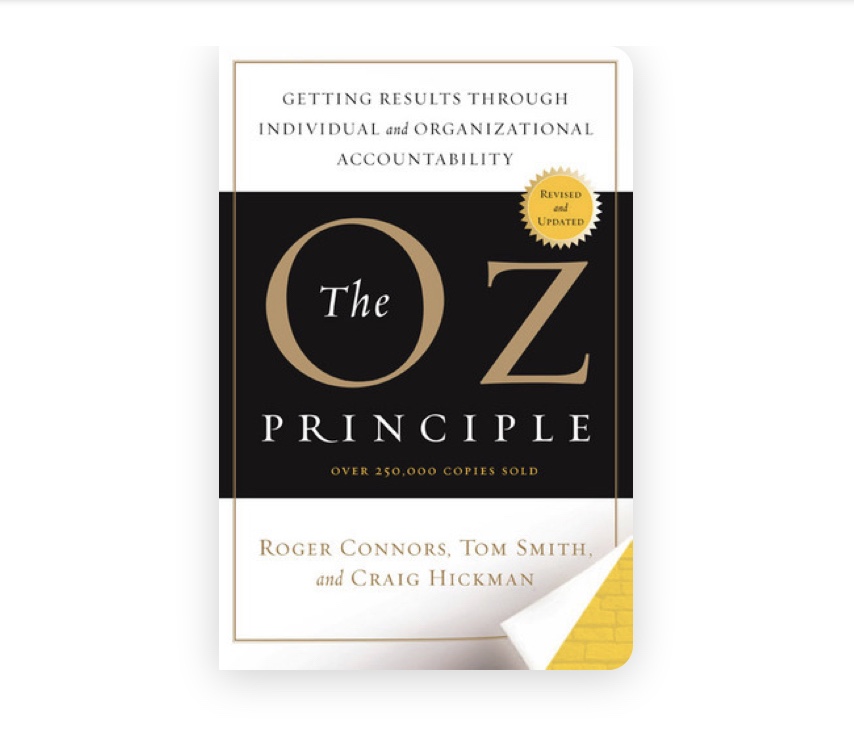
The Oz Principle: Getting Results Through Individual and Organizational Accountability

The Oz Principle, written by Roger Connors, Tom Smith, and Craig Hickman, is a popular management book that explores the concept of accountability in the workplace. The book draws on the classic story of The Wizard of Oz to illustrate how individuals and organizations can take ownership of their actions and outcomes to achieve success. In this blog post, we will summarize the main ideas of The Oz Principle and explain how they can be applied in the workplace.

The Oz Principle presents a framework for personal and organizational accountability based on four key principles: See It, Own It, Solve It, and Do It. Let’s take a closer look at each of these principles:

  1. See It: The first step in the accountability process is to see the problem or opportunity clearly. This involves identifying the root cause of the issue and understanding its impact on the organization. Seeing It requires individuals to be honest and objective in their assessment of the situation, without making excuses or blaming others.
  2. Own It: Once a problem or opportunity has been identified, the next step is to take ownership of it. This means accepting responsibility for the outcome and committing to taking action to address the issue. Owning It requires individuals to be accountable for their role in the situation, regardless of whether they were directly responsible for the problem.
  3. Solve It: The third step in the accountability process is to develop a plan to solve the problem or capitalize on the opportunity. This involves working collaboratively with others to identify and implement solutions that address the root cause of the issue. Solving It requires individuals to be proactive and creative in their problem-solving approach.
  4. Do It: The final step in the accountability process is to execute the plan and achieve the desired outcome. This involves taking action and following through on commitments to ensure that the problem is fully resolved or the opportunity is fully realized. Doing It requires individuals to be persistent and disciplined in their efforts to achieve success.

The Oz Principle emphasizes the importance of accountability in driving individual and organizational performance. By following the See It, Own It, Solve It, and Do It framework, individuals can take control of their actions and outcomes, and work together to achieve shared goals. The book provides practical tools and strategies for implementing accountability in the workplace, including the use of performance scorecards, team charters, and action plans.

In conclusion, The Oz Principle is a powerful management book that offers a fresh perspective on accountability in the workplace. Its four-step framework provides a clear roadmap for personal and organizational success, and its practical tools and strategies can be applied in a wide range of settings. By embracing the principles of See It, Own It, Solve It, and Do It, individuals and organizations can achieve greater accountability, productivity, and success.

How the FDIC bailouts will impact the economy and impacts all taxpayers

The recent bank failures and the FDIC bailout can have significant impacts on our economy. Here are some ways it may affect us:

  1. Confidence in the banking system: The bank failures and the FDIC bailout may erode consumer and investor confidence in the banking system. When people start to doubt the stability and safety of their banks, they may withdraw their deposits, which can lead to a liquidity crisis and a domino effect of more bank failures. This, in turn, can cause a ripple effect throughout the economy, including decreased lending, lower consumer spending, and a potential recession.
  2. Cost to taxpayers: The FDIC bailout is funded by taxpayers’ money, and the cost of resolving failed banks can be significant. The more banks fail, the higher the cost to the FDIC and the taxpayers. This can divert resources from other government programs and cause budget deficits, which may have long-term consequences on the economy.
  3. Impact on small businesses: Small businesses heavily rely on loans from banks to finance their operations, and the recent bank failures can make it more difficult for them to access credit. With fewer banks and tighter lending standards, small businesses may have to pay higher interest rates or be forced to scale back their operations, which can slow down economic growth and job creation.
  4. Impact on the housing market: The banking sector plays a crucial role in the housing market, as they provide mortgage loans to homeowners. The recent bank failures can lead to a tightening of credit standards and a decrease in the availability of mortgage loans. This can result in lower home prices, decreased demand for housing, and potential foreclosures.

In conclusion, the recent bank failures and the FDIC bailout can have significant impacts on our economy, including decreased confidence in the banking system, increased costs to taxpayers, reduced access to credit for small businesses, and potential impacts on the housing market. It is crucial for policymakers and financial institutions to take steps to stabilize the banking system and restore confidence to prevent further disruptions to the economy.