WASHINGTON — Widespread loneliness in the U.S. poses health risks as deadly as smoking a dozen cigarettes daily, costing the health industry billions…
Loneliness Is As Deadly As Smoking, Surgeon General Says

Personal and professional tips, inspiring stories of success and failures, travel information, and current news.
WASHINGTON — Widespread loneliness in the U.S. poses health risks as deadly as smoking a dozen cigarettes daily, costing the health industry billions…
Loneliness Is As Deadly As Smoking, Surgeon General Says

Green economy and sustainable tourism are two concepts that are gaining more and more relevance in today’s world. One of the industries that can have…
Exploring the Intersection of Green Economy and Tourism: How Sustainable Travel Can Benefit the Environment
(NEW YORK) — Regulators seized troubled First Republic Bank early Monday and sold all of its deposits and most of its assets to JPMorgan Chase Bank …
First Republic Bank Seized by Regulators and Sold to JPMorgan Chase


Are you a business owner looking for ways to expand and increase your company’s success? Whether you’re just starting out or have been in the game …
A Step By Step Guide On How To Boost Your Business

Over the past few years, the rise of remote work and the need for social distancing have transformed video conferencing tools like Zoom into a ubiquitous communication platform. While these virtual meetings have enabled people to stay connected and productive, many have also reported feeling excessively tired and sleepy after participating in them. In this article, we will explore the reasons behind this phenomenon, often referred to as ‘Zoom fatigue,’ and discuss ways to mitigate its effects.
Reduced Non-verbal Communication
One of the primary reasons for Zoom fatigue is the inherent limitations of non-verbal communication in video calls. In face-to-face interactions, we rely on a plethora of non-verbal cues, such as body language, facial expressions, and tone of voice, to fully grasp the meaning behind someone’s words. However, video calls make it challenging to perceive these cues, as participants often appear in small windows with limited visibility. This forces our brains to work harder to decipher the information, leading to cognitive overload and, ultimately, fatigue.
Constant Self-awareness
Another factor contributing to Zoom fatigue is the increased self-awareness that comes with being on camera. Many people find it difficult to ignore their own video feed, leading to a heightened sense of self-consciousness. This constant self-monitoring can be mentally draining and may cause feelings of exhaustion.
Lack of Physical Movement
During in-person meetings, participants could move around, stretch their legs, and change their posture. In contrast, video calls often require attendees to remain seated and relatively stationary in front of their screens. This lack of physical movement can lead to stiffness, discomfort, and drowsiness.
Screen Overload
In today’s digital world, many of us spend a significant portion of our day staring at screens. Adding video calls to an already screen-heavy routine can exacerbate eye strain and lead to a feeling of fatigue. Moreover, the blue light emitted by screens can disrupt our circadian rhythms, making it more difficult to fall asleep at night.
Back-to-Back Meetings
In a remote work environment, back-to-back video calls are a common occurrence. Without the natural breaks that come with in-person meetings, such as walking to a different room or engaging in casual conversation, Zoom meetings can become an unrelenting series of virtual encounters. This lack of downtime between meetings can contribute to mental exhaustion and feelings of sleepiness.
Strategies to Combat Zoom Fatigue
Zoom fatigue is a real and prevalent issue faced by many people participating in video conference meetings. By understanding the factors that contribute to this exhaustion, we can take steps to minimize its impact and maintain our energy levels throughout the workday.
This time it’s for real. Many of Twitter’s high-profile users are losing the blue checks that helped verify their identity and distinguish them from …
Elon Musk Says He’s ‘Personally’ Paying to Keep a Few Celebs Verified on Twitter

Sam Altman’s company has already paid out thousands of dollars to ethical hackers who it’s asking to help make products like ChatGPT safer.
OpenAI will pay you to join its ‘bug bounty program’ and hundreds have already signed up—already finding 14 flaws within 24 hours

Gone are the encouraging incentives of 2022. Employers like Bloomberg are cracking down on employees who don’t return to the office.
First came the return-to-office policies. Now comes the discipline: How companies are punishing work-from-home holdouts
In today’s world, environmental and ethical concerns have taken center stage. Our choices, both as consumers and producers, have a significant impact on the health of our planet and its inhabitants. As such, there has been a growing emphasis on the importance of using eco-friendly, sustainable, green products that are not tested on animals. In this blog post, we will explore the key reasons why we should adopt these products and practices in our daily lives, and conclude with a summary of the benefits they provide.
Reduced Environmental Impact
The first major advantage of using eco-friendly products is the reduction of our environmental footprint. These products are typically made from renewable, biodegradable, or recycled materials, which means they have a lower impact on the Earth’s resources. By choosing these products, we are not only conserving valuable resources but also reducing waste and pollution.
Healthier Living Eco-friendly products are often free from harmful chemicals and toxins commonly found in conventional products. This leads to a healthier lifestyle as we reduce our exposure to substances that can have adverse effects on our well-being. Moreover, using natural and organic ingredients in products like skincare and cleaning supplies can improve the quality of our lives by reducing the risk of allergic reactions or other health issues.
Animal Welfare
A significant aspect of green products is their commitment to not using animal testing. By choosing these products, we are making a stand against cruel practices and promoting the ethical treatment of animals. There are numerous alternative testing methods that are equally effective and do not cause unnecessary suffering.
Sustainable Living for a Better Future
Sustainable products are developed with a focus on durability and long-term use, which means that they are less likely to end up in landfills. This reduces waste and conserves resources, ultimately leading to a cleaner and healthier environment. Sustainable living also promotes ethical consumption, which can have a positive impact on social and economic aspects of our lives.
What Do We Do Now
The increasing urgency to protect our environment and reduce the negative impact of human activities cannot be overstressed. By choosing eco-friendly, sustainable, and green products, we not only contribute to the preservation of our planet but also support ethical practices that abstain from animal testing. Throughout this blog post, we have discussed the numerous benefits of these products, which include reducing our carbon footprint, conserving natural resources, promoting a healthier lifestyle, and supporting companies that prioritize the welfare of animals and the environment.
As conscious consumers, we have the power to make a significant difference with our choices. By opting for green products and encouraging others to do the same, we can collectively work towards a more sustainable future. This change starts with each one of us making an effort to be informed and responsible shoppers. Together, we can create a cleaner, healthier, and more compassionate world that future generations can inherit and cherish. So, let us strive to make eco-friendly, sustainable, and cruelty-free products the norm, rather than the exception, as we journey towards a greener tomorrow.

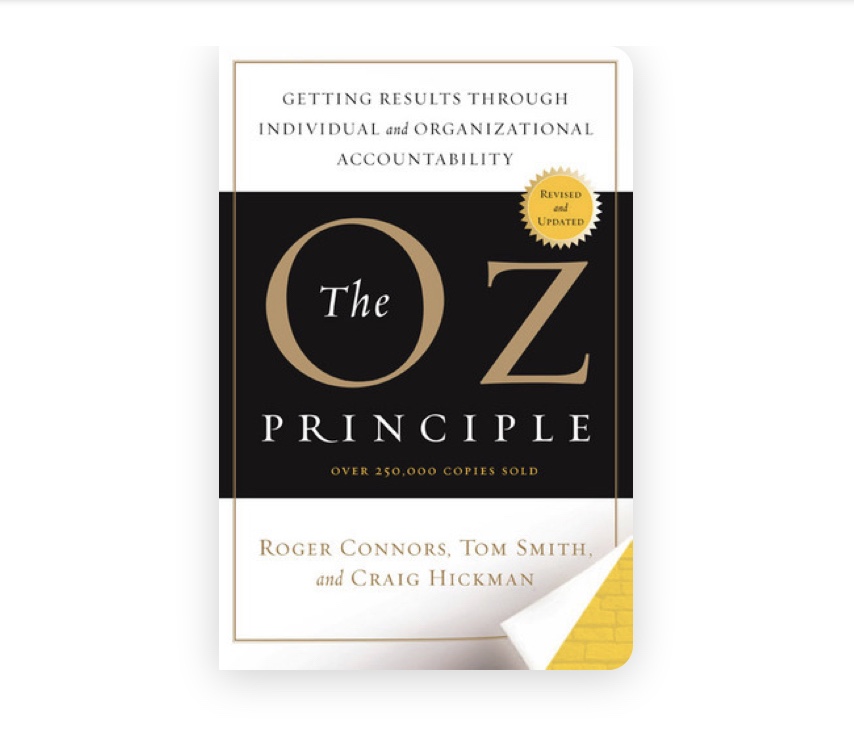
The Oz Principle, written by Roger Connors, Tom Smith, and Craig Hickman, is a popular management book that explores the concept of accountability in the workplace. The book draws on the classic story of The Wizard of Oz to illustrate how individuals and organizations can take ownership of their actions and outcomes to achieve success. In this blog post, we will summarize the main ideas of The Oz Principle and explain how they can be applied in the workplace.
The Oz Principle presents a framework for personal and organizational accountability based on four key principles: See It, Own It, Solve It, and Do It. Let’s take a closer look at each of these principles:
The Oz Principle emphasizes the importance of accountability in driving individual and organizational performance. By following the See It, Own It, Solve It, and Do It framework, individuals can take control of their actions and outcomes, and work together to achieve shared goals. The book provides practical tools and strategies for implementing accountability in the workplace, including the use of performance scorecards, team charters, and action plans.
In conclusion, The Oz Principle is a powerful management book that offers a fresh perspective on accountability in the workplace. Its four-step framework provides a clear roadmap for personal and organizational success, and its practical tools and strategies can be applied in a wide range of settings. By embracing the principles of See It, Own It, Solve It, and Do It, individuals and organizations can achieve greater accountability, productivity, and success.

The recent bank failures and the FDIC bailout can have significant impacts on our economy. Here are some ways it may affect us:
In conclusion, the recent bank failures and the FDIC bailout can have significant impacts on our economy, including decreased confidence in the banking system, increased costs to taxpayers, reduced access to credit for small businesses, and potential impacts on the housing market. It is crucial for policymakers and financial institutions to take steps to stabilize the banking system and restore confidence to prevent further disruptions to the economy.

Becoming a millionaire is a dream for many people, but it can seem like an unattainable goal, especially if you have a modest salary. However, with discipline, smart financial planning, and a long-term perspective, it is possible to accumulate a million-dollar net worth in a decade, even if you earn a $100,000 salary. Here are some steps you can take to achieve this ambitious but achievable goal:
In summary, becoming a millionaire with a $100,000 salary in ten years is possible but requires discipline, patience, and smart financial planning. By living below your means, maximizing your retirement contributions, investing wisely, and increasing your income, you can steadily build your net worth and achieve financial freedom. Remember, becoming a millionaire is not an end in itself, but a means to live the life you want and achieve your long-term goals.


“This routine gives me the space to assess everything in my world, set daily priorities, and take action toward achieving them that day.”
This CEO says his ambitious 3 a.m. morning routine is the key to managing stress

Just about anyone whose job it is to pay attention to financial news should have known that interest rates would go up over the course of the last …
Banks Might Be About to Ruin the Economy Again

“You are HustleGPT, an entrepreneurial AI…You have $100, and your only goal is to turn that into as much money as possible.”
Users of OpenAI’s GPT-4 are building audiences by sharing how they’re using it—including to start businesses in the ‘HustleGPT challenge’

A record-breaking number of American women are single these days.
More American women are single than ever before—and it’s costing them big money

As artificial intelligence continues to evolve, so does ChatGPT. The latest version, ChatGPT-4, is now available and comes packed with exciting new …
Introducing ChatGPT-4: The Latest Advancements in AI-Language Generation

In late January, First Republic Bank’s CEO wrote to U.S. regulators saying his bank did not pose signficant risk to the U.S.’s financial stability.
SVB and First Republic CEOs lobbied for weaker financial oversight in the run-up to their banks entering into crisis

A strange loop keeps happening in the U.S. economy: prices go up, forecasters predict that consumers will restrain their spending, and then we learn …
Maybe Americans Don’t Mind High Prices Anymore

How can a bank run happen in 2023? Why didn’t anyone step in to save SVB? And who is at risk now? The 5 most pressing questions answered about …
The 5 most pressing questions answered about Silicon Valley Bank’s collapse
 Nkozi Knight