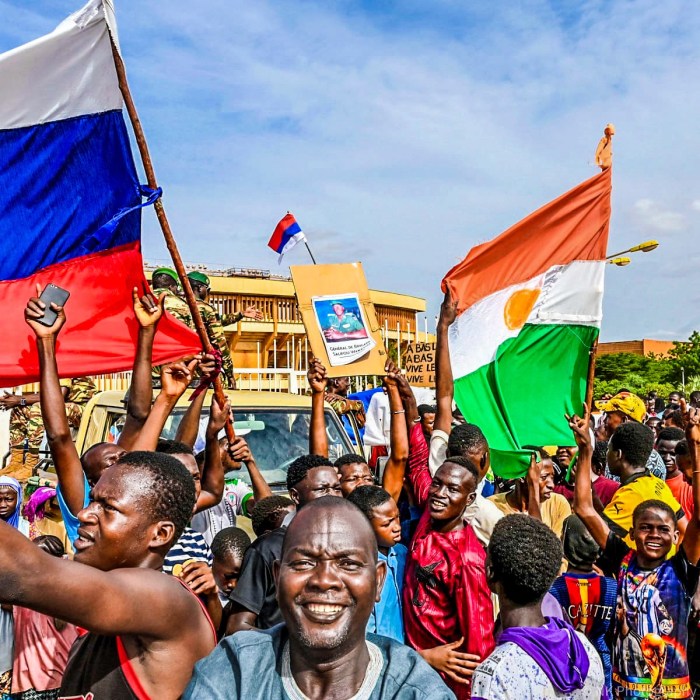

As someone who has served in the military, I’ve had firsthand insight into the geopolitical dynamics that still play out across the globe. One particular issue that has always been close to my heart is the persistent exploitation of African nations by former colonial powers and the United States.
Niger, a landlocked country in West Africa, serves as a stark example. It is the source of 5% of the world’s uranium, a precious resource vital for nuclear energy and weapons. Yet, despite its immense wealth beneath the ground, Niger consistently ranks as one of the world’s poorest countries. This incongruity can be attributed to the continued imperialism and exploitative tactics employed by Western nations.
Historically, countries like France and Great Britain have left indelible marks on Africa, ostensibly ending colonization, but in truth, perpetuating a new form of neocolonialism. France, for instance, still exerts considerable economic influence on many of its former colonies, including Niger. Complex agreements and unequal trade dynamics ensure that while African nations supply raw materials, they see only a fraction of the profits.
The United States, though not a colonial power in Africa, has also been implicated in this exploitative dynamic. The establishment of military bases across the continent serves dual purposes: it’s positioned as a safeguard against extremism and other threats, but it also ensures that the U.S. maintains a stronghold to protect its interests, which often include access to natural resources. During my time in the military, it was evident how strategic positioning wasn’t just about national security, but also about economic leverage.
Furthermore, it’s worth noting that while African countries export raw materials, they often have to import finished products at higher prices, further entrenching them in a cycle of poverty. The revenues from these natural resources, like uranium from Niger, do not equitably benefit the local communities. Instead, profits are siphoned off by multinational corporations and corrupt leaders, leaving the general populace grappling with poverty, unemployment, and underdevelopment.

Addressing this exploitation requires a multipronged approach:
- Transparency in Trade Deals: International trade agreements involving African nations must be transparent, ensuring that they benefit local communities as much as they do foreign entities.
- Empowering Local Economies: Investing in local infrastructure, education, and healthcare can help African nations process their own resources, creating jobs and reducing dependency on imports.
- International Accountability: Global institutions, such as the UN, must hold countries accountable for exploitative practices, ushering in a new era of equitable and fair trade.

While the flags of colonial powers no longer fly over African capitals, the shadows of imperialism linger. It’s a collective responsibility, both of African governments and the international community, to dismantle these remnants of exploitation and pave the way for a brighter, more equitable future for the continent. As someone who has seen the intricacies of this exploitation up close, I urge everyone to educate themselves, advocate for change, and support policies that promote fairness and justice.

 Nkozi Knight