The Future of Work: Shifting Job Landscape in the United States Over the Next Decade

The rapidly evolving technology landscape is altering the world of work, transforming how organizations operate and the roles that employees hold. Over the next decade, we can expect significant shifts in the United States’ job market, with some careers experiencing exponential growth, while others decline. This blog post delves into the trending careers while exploring the impact of technology on employment and companies across various industries.

Trending Careers: Riding the Wave of Technological Advancements

Healthcare Professionals: As the U.S. population continues to age, there is an increasing demand for healthcare services. This need will fuel the growth of jobs in healthcare, such as physicians, nurses, and other medical practitioners. Technological advancements, including telemedicine, medical devices, and health informatics, will also create new opportunities in the industry.

Data Science and Analytics: With the exponential growth of data, businesses are increasingly relying on data-driven insights to make informed decisions. As a result, data science and analytics professionals will be in high demand, with roles like data analysts, data engineers, and data scientists becoming increasingly important.

Cybersecurity Experts: As technology becomes more sophisticated, the threat of cyber-attacks also grows. Consequently, the need for skilled cybersecurity professionals will continue to rise, ensuring the protection of valuable data and digital assets.

Renewable Energy Specialists: Climate change and sustainable energy concerns are driving the growth of the renewable energy sector. Professionals in solar, wind, and other renewable energy fields will see an increased demand for their expertise as countries transition towards more sustainable energy sources.

Mental Health: The increased awareness and focus on mental health will drive job growth in this sector. Counselors, therapists, and psychologists will be in high demand as society continues to prioritize mental health while using data to treat mental health issues faster.

Technology: The tech industry will continue to flourish, creating jobs in areas like artificial intelligence, machine learning, and cybersecurity as mentioned previously. Specialists in data analysis, software development, and information security will be highly sought after.

The future of work in the United States will be led by a continued shift towards technological careers, healthcare, data and renewable energy. While some industries will see growth, others will decline, and workers will need to be adaptable and flexible in order to stay competitive. As technology continues to evolve, it will be critical for workers to develop new skills and expertise in order to stay relevant and valuable in the job market now and in the future.

The Value of Eco-Friendly, Sustainable, Green Products that Protect our Planet and its Inhabitants

In today’s world, environmental and ethical concerns have taken center stage. Our choices, both as consumers and producers, have a significant impact on the health of our planet and its inhabitants. As such, there has been a growing emphasis on the importance of using eco-friendly, sustainable, green products that are not tested on animals. In this blog post, we will explore the key reasons why we should adopt these products and practices in our daily lives, and conclude with a summary of the benefits they provide.

Reduced Environmental Impact

The first major advantage of using eco-friendly products is the reduction of our environmental footprint. These products are typically made from renewable, biodegradable, or recycled materials, which means they have a lower impact on the Earth’s resources. By choosing these products, we are not only conserving valuable resources but also reducing waste and pollution.

Healthier Living Eco-friendly products are often free from harmful chemicals and toxins commonly found in conventional products. This leads to a healthier lifestyle as we reduce our exposure to substances that can have adverse effects on our well-being. Moreover, using natural and organic ingredients in products like skincare and cleaning supplies can improve the quality of our lives by reducing the risk of allergic reactions or other health issues.

Animal Welfare

A significant aspect of green products is their commitment to not using animal testing. By choosing these products, we are making a stand against cruel practices and promoting the ethical treatment of animals. There are numerous alternative testing methods that are equally effective and do not cause unnecessary suffering.

Sustainable Living for a Better Future

Sustainable products are developed with a focus on durability and long-term use, which means that they are less likely to end up in landfills. This reduces waste and conserves resources, ultimately leading to a cleaner and healthier environment. Sustainable living also promotes ethical consumption, which can have a positive impact on social and economic aspects of our lives.

What Do We Do Now

The increasing urgency to protect our environment and reduce the negative impact of human activities cannot be overstressed. By choosing eco-friendly, sustainable, and green products, we not only contribute to the preservation of our planet but also support ethical practices that abstain from animal testing. Throughout this blog post, we have discussed the numerous benefits of these products, which include reducing our carbon footprint, conserving natural resources, promoting a healthier lifestyle, and supporting companies that prioritize the welfare of animals and the environment.

As conscious consumers, we have the power to make a significant difference with our choices. By opting for green products and encouraging others to do the same, we can collectively work towards a more sustainable future. This change starts with each one of us making an effort to be informed and responsible shoppers. Together, we can create a cleaner, healthier, and more compassionate world that future generations can inherit and cherish. So, let us strive to make eco-friendly, sustainable, and cruelty-free products the norm, rather than the exception, as we journey towards a greener tomorrow.

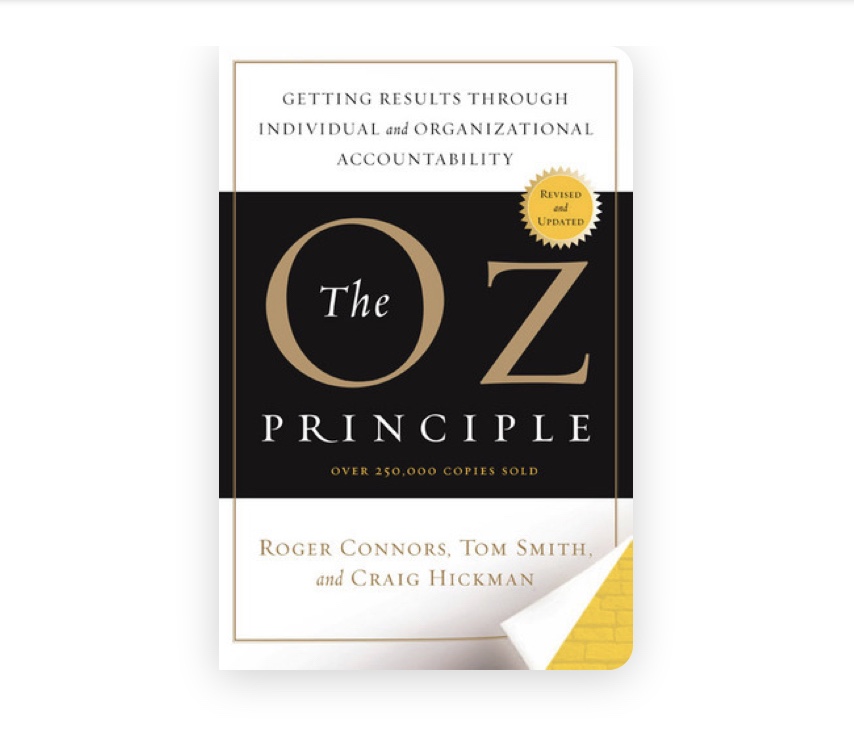
The Oz Principle: Getting Results Through Individual and Organizational Accountability

The Oz Principle, written by Roger Connors, Tom Smith, and Craig Hickman, is a popular management book that explores the concept of accountability in the workplace. The book draws on the classic story of The Wizard of Oz to illustrate how individuals and organizations can take ownership of their actions and outcomes to achieve success. In this blog post, we will summarize the main ideas of The Oz Principle and explain how they can be applied in the workplace.

The Oz Principle presents a framework for personal and organizational accountability based on four key principles: See It, Own It, Solve It, and Do It. Let’s take a closer look at each of these principles:

  1. See It: The first step in the accountability process is to see the problem or opportunity clearly. This involves identifying the root cause of the issue and understanding its impact on the organization. Seeing It requires individuals to be honest and objective in their assessment of the situation, without making excuses or blaming others.
  2. Own It: Once a problem or opportunity has been identified, the next step is to take ownership of it. This means accepting responsibility for the outcome and committing to taking action to address the issue. Owning It requires individuals to be accountable for their role in the situation, regardless of whether they were directly responsible for the problem.
  3. Solve It: The third step in the accountability process is to develop a plan to solve the problem or capitalize on the opportunity. This involves working collaboratively with others to identify and implement solutions that address the root cause of the issue. Solving It requires individuals to be proactive and creative in their problem-solving approach.
  4. Do It: The final step in the accountability process is to execute the plan and achieve the desired outcome. This involves taking action and following through on commitments to ensure that the problem is fully resolved or the opportunity is fully realized. Doing It requires individuals to be persistent and disciplined in their efforts to achieve success.

The Oz Principle emphasizes the importance of accountability in driving individual and organizational performance. By following the See It, Own It, Solve It, and Do It framework, individuals can take control of their actions and outcomes, and work together to achieve shared goals. The book provides practical tools and strategies for implementing accountability in the workplace, including the use of performance scorecards, team charters, and action plans.

In conclusion, The Oz Principle is a powerful management book that offers a fresh perspective on accountability in the workplace. Its four-step framework provides a clear roadmap for personal and organizational success, and its practical tools and strategies can be applied in a wide range of settings. By embracing the principles of See It, Own It, Solve It, and Do It, individuals and organizations can achieve greater accountability, productivity, and success.

How the FDIC bailouts will impact the economy and impacts all taxpayers

The recent bank failures and the FDIC bailout can have significant impacts on our economy. Here are some ways it may affect us:

  1. Confidence in the banking system: The bank failures and the FDIC bailout may erode consumer and investor confidence in the banking system. When people start to doubt the stability and safety of their banks, they may withdraw their deposits, which can lead to a liquidity crisis and a domino effect of more bank failures. This, in turn, can cause a ripple effect throughout the economy, including decreased lending, lower consumer spending, and a potential recession.
  2. Cost to taxpayers: The FDIC bailout is funded by taxpayers’ money, and the cost of resolving failed banks can be significant. The more banks fail, the higher the cost to the FDIC and the taxpayers. This can divert resources from other government programs and cause budget deficits, which may have long-term consequences on the economy.
  3. Impact on small businesses: Small businesses heavily rely on loans from banks to finance their operations, and the recent bank failures can make it more difficult for them to access credit. With fewer banks and tighter lending standards, small businesses may have to pay higher interest rates or be forced to scale back their operations, which can slow down economic growth and job creation.
  4. Impact on the housing market: The banking sector plays a crucial role in the housing market, as they provide mortgage loans to homeowners. The recent bank failures can lead to a tightening of credit standards and a decrease in the availability of mortgage loans. This can result in lower home prices, decreased demand for housing, and potential foreclosures.

In conclusion, the recent bank failures and the FDIC bailout can have significant impacts on our economy, including decreased confidence in the banking system, increased costs to taxpayers, reduced access to credit for small businesses, and potential impacts on the housing market. It is crucial for policymakers and financial institutions to take steps to stabilize the banking system and restore confidence to prevent further disruptions to the economy.

How to become a millionaire in 10 years

Becoming a millionaire is a dream for many people, but it can seem like an unattainable goal, especially if you have a modest salary. However, with discipline, smart financial planning, and a long-term perspective, it is possible to accumulate a million-dollar net worth in a decade, even if you earn a $100,000 salary. Here are some steps you can take to achieve this ambitious but achievable goal:

  1. Set a realistic target: Becoming a millionaire in ten years with a $100,000 salary is an ambitious goal, but it’s not impossible. To achieve this goal, you need to save and invest aggressively, but also keep your expectations in check. Aiming to save $100,000 per year, which is your entire salary, is not realistic or sustainable. Instead, aim to save and invest a significant portion of your income, say 30-40%, and build up your net worth gradually.
  2. Live below your means: The key to saving a substantial portion of your income is to live below your means. This means avoiding lifestyle inflation and keeping your expenses in check. Look for ways to cut costs without sacrificing your quality of life, such as cooking at home, using public transportation, or negotiating bills. The more you can save on your monthly expenses, the more you can put towards your savings and investments.
  3. Maximize your retirement contributions: One of the most effective ways to build wealth is to take advantage of tax-advantaged retirement accounts, such as 401(k)s and IRAs. If your employer offers a 401(k) match, make sure you contribute enough to get the full match. In addition, consider maxing out your contributions to an IRA or Roth IRA, which can provide additional tax benefits and flexibility.
  4. Invest wisely: Saving alone is not enough to become a millionaire in ten years. You also need to invest your savings wisely to generate meaningful returns. Consider investing in a mix of stocks, bonds, and other assets that match your risk tolerance and financial goals. Diversify your portfolio and avoid making emotional investment decisions based on short-term market fluctuations.
  5. Increase your income: While living below your means and saving aggressively is essential, increasing your income can also help you reach your goal faster. Consider taking on a side hustle or freelance work, asking for a raise at your current job, or even pursuing a higher-paying career path. The more you earn, the more you can save and invest, and the faster you can build your net worth.

In summary, becoming a millionaire with a $100,000 salary in ten years is possible but requires discipline, patience, and smart financial planning. By living below your means, maximizing your retirement contributions, investing wisely, and increasing your income, you can steadily build your net worth and achieve financial freedom. Remember, becoming a millionaire is not an end in itself, but a means to live the life you want and achieve your long-term goals.