Michelle Obama Day

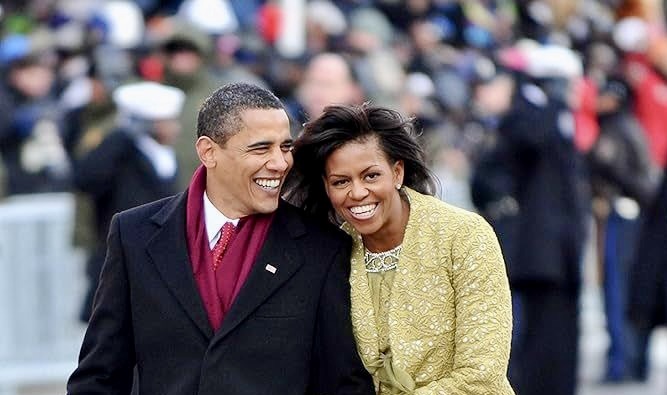
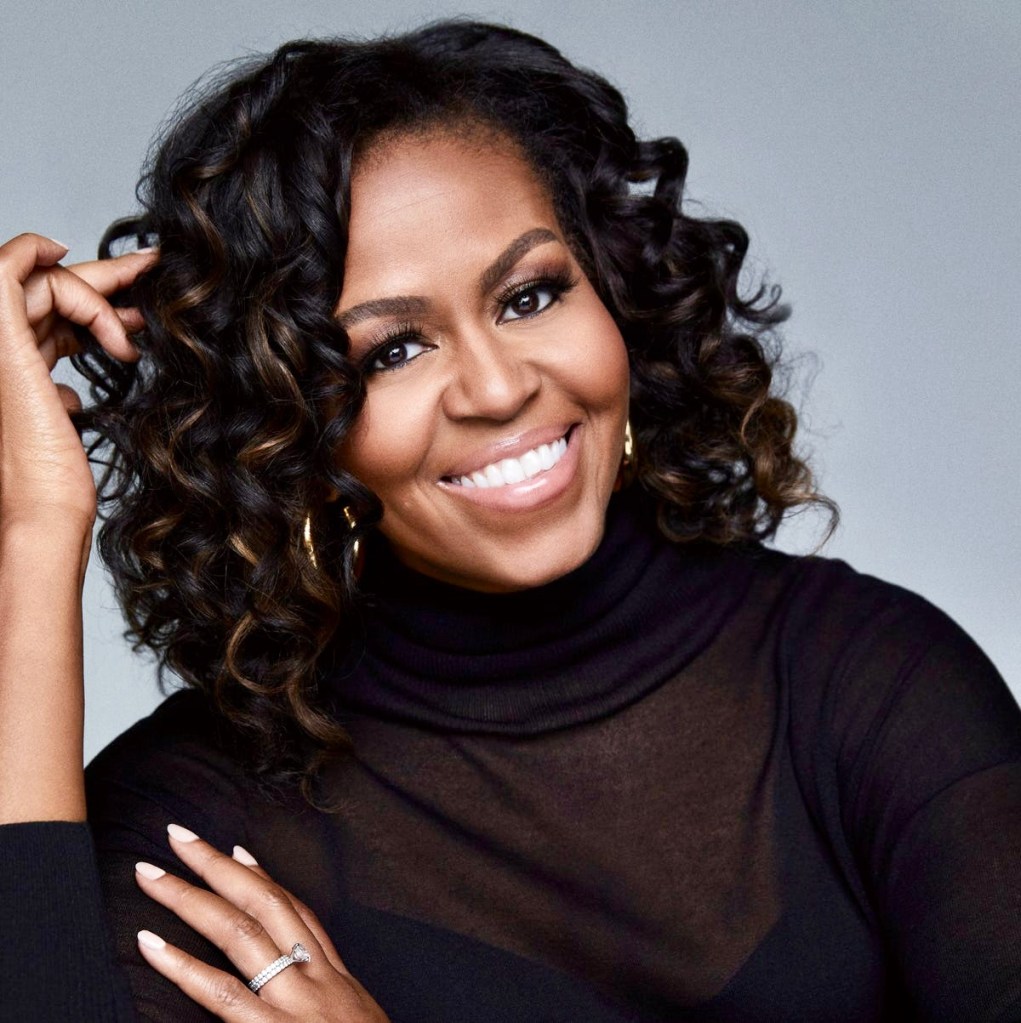
June 15 of every year is officially Michelle Obama Day, a day to commemorate a life defined by excellence, service, resilience, and the belief that education remains one of the most powerful tools for changing the world.

Born and raised on the South Side of Chicago in a working class family, Michelle Obama’s journey embodies the American ideal that talent, discipline, and perseverance can overcome circumstance. She graduated from Princeton University, earned her law degree from Harvard Law School, practiced law, mentored young professionals, served in public service leadership roles, and became a respected executive long before the world ever knew her as First Lady of the United States.

During her eight years in the White House, she transformed the role of First Lady through her advocacy for military families, children’s health, education, and public service. She inspired millions of young people, particularly young women and girls, to dream bigger, work harder, and believe they belonged in every room where decisions are made. After leaving the White House, she continued that work through bestselling books, speaking engagements, charitable initiatives, and mentorship, becoming one of the most admired women in the world.
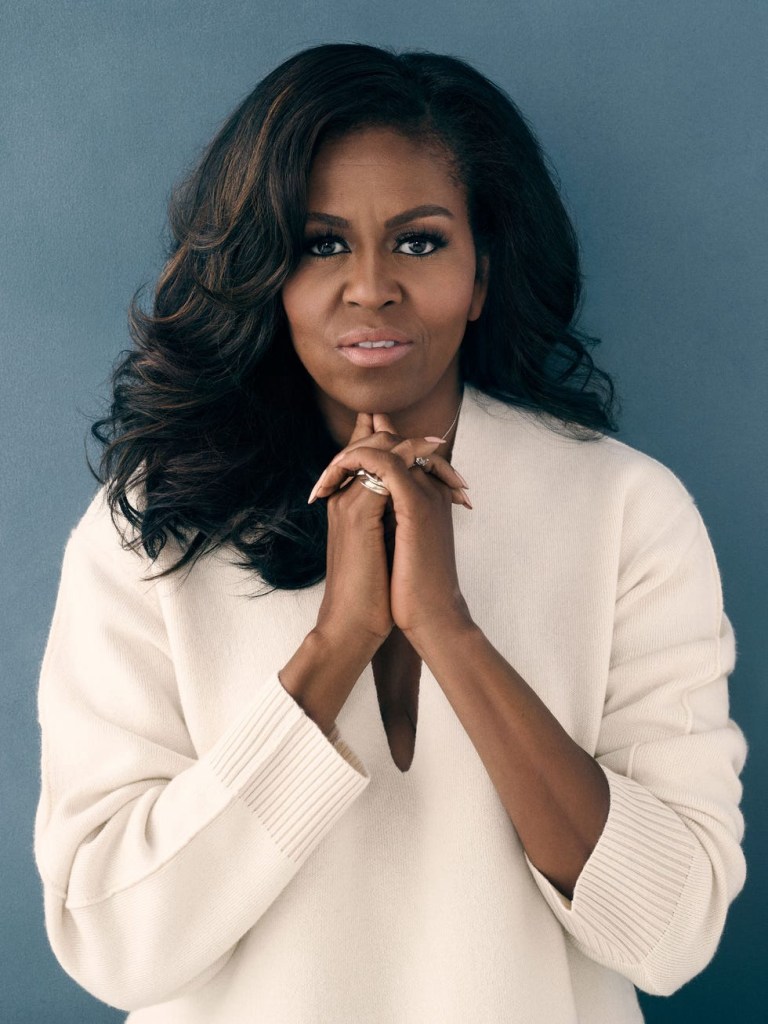
What makes Michelle Obama’s story so remarkable is not simply what she achieved, but what she endured while achieving it. Despite graduating from Princeton University and Harvard Law School, despite serving her country with distinction, despite becoming a bestselling author, devoted mother, advocate, and one of the most influential women of her generation, she continues to be the target of insults, conspiracy theories, and dehumanizing attacks more than a decade after leaving the White House.

That reality was on full display during the UFC Freedom 250 event on the White House lawn when fighter Josh Hokit used his post-fight moment to repeat the false and offensive claim that “Michelle Obama is a man.” Think about that for a moment. Of all the accomplishments, all the service, all the barriers broken, all the lives inspired, the response from some corners of our culture is not debate, not disagreement, not even criticism. It is an attempt to deny her womanhood, diminish her humanity, and reduce a lifetime of achievement to a cheap insult.

History teaches us that this is not new. Throughout American history, Black excellence has often been met not only with resistance, but with efforts to redefine, discredit, and dehumanize those who achieve it. The attack is rarely on the accomplishment itself. The attack is on the legitimacy of the person who accomplished it.


You do not have to agree with Michelle Obama politically to recognize what she represents. A daughter of Chicago’s South Side. A Princeton graduate. A Harvard lawyer. A public servant. A mother. A wife. A role model. A woman who carried herself with grace under a level of scrutiny most people could never imagine.


The measure of a society is not how it treats the powerful when they are in office. The measure of a society is how it speaks about them after they leave, especially when those individuals have dedicated their lives to service. If our response to excellence is mockery, if our response to achievement is humiliation, if our response to accomplished Black women is dehumanization, then the problem is not with them. The problem is with us.

So on Michelle Obama Day, I choose to celebrate excellence over ignorance, dignity over cruelty, and achievement over resentment. I choose to honor a woman whose example has inspired millions of Americans to believe that where you start does not determine where you can go.

Happy Michelle Obama Day.

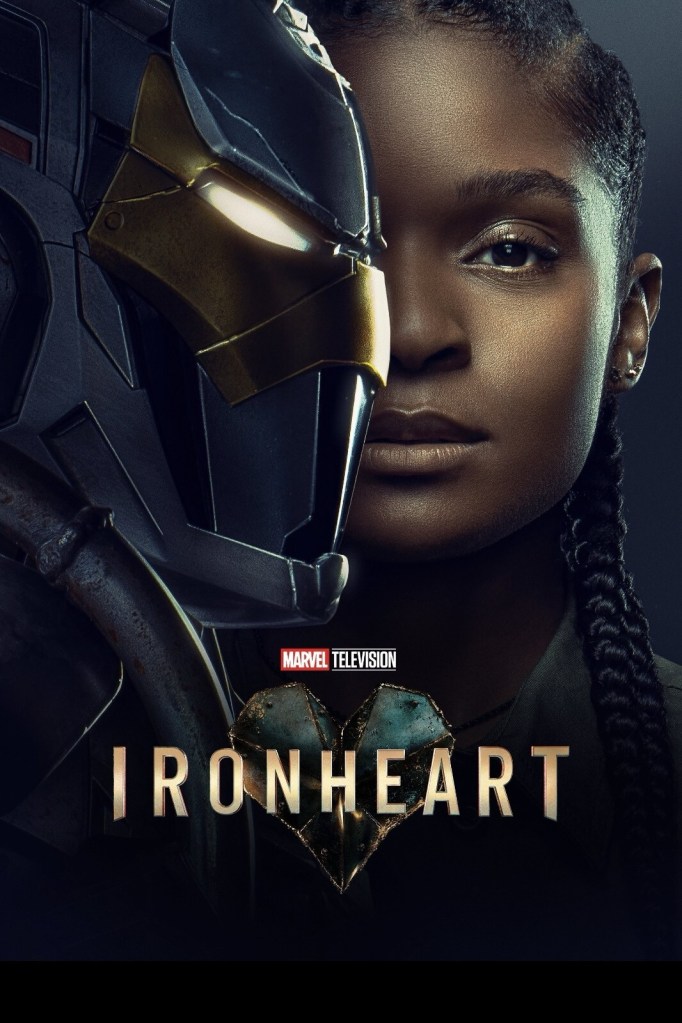
Ironheart and the Betrayal of Storytelling


Riri Williams, Ironheart, stands beside her armor modeled after Iron Man, a symbol of the genius and potential that Marvel’s adaptation failed to honor.

When Marvel introduced Riri Williams in Black Panther: Wakanda Forever, she felt like a revelation. A young Black genius, bold and quick-witted, standing confidently beside Shuri and Wakanda’s leaders, she radiated promise. Audiences believed she was destined to inherit the mantle of brilliance that Tony Stark left behind.

The Disney Plus series Ironheart undid all of that. Rather than elevating Riri’s genius, the show stripped her down and leaned on clichés. Instead of building an earned character arc, Marvel forced one, and when audiences rejected it, Disney did not admit the problem was storytelling. It turned on its own fans, deflecting fair criticism as misogyny or racism. That response only deepened the sense of betrayal.

What made Ironheart sting was not representation but its absence of authentic narrative. Riri’s journey was reactive rather than inventive, her brilliance muted to the point where she seemed less capable than in Black Panther 2. Her supporting cast was too thin to provide depth, leaving Dominique Thorne to carry scenes without the balance that seasoned actors could have offered. This was the opposite of what Marvel did with Tom Holland’s Spider-Man, where young talent was elevated by veterans like Robert Downey Jr. and Michael Keaton. In Ironheart, there was no gravitas to steady her.

The most glaring missed opportunity was the arc itself. In the comics, Riri is mentored by Tony Stark’s AI, a natural continuation of Iron Man’s legacy and a relationship that challenges her intellect. That arc was abandoned in favor of an AI woman who felt more like a nagging caricature than a mentor. It was meant to look progressive, but it flattened Riri even further. Instead of sharpening her genius through real tests, the show reduced her to tropes and sidelined the one connection that could have tethered her to Marvel’s larger story.

What took its place was a parade of stereotypes. The single mother household. The absent father. The drive-by shooting that killed her stepfather. Drugs and street crime. Poverty. Black and Latino men both hyperviolent and emasculated. Struggle as the entire identity. These were not fresh interpretations of culture. They were shortcut stereotype boxes checked by writers who did not seem to understand the communities they were trying to represent.

Audiences are tired of this. They want aspiration and intelligence, not clichés. The success of Black Panther proved that. That film grossed more than $1.3 billion worldwide because it was rooted in authenticity and celebrated Black excellence. It trusted viewers to embrace complexity. Ironheart, by contrast, felt like it was written on autopilot, with representation treated as the main plot line coupled with bad writing.

The reception told the story. Ironheart failed to enter the top ten streaming shows at launch, averaging fewer than 90 million minutes per episode. Nielsen reported just 526 million minutes viewed in its debut week a fraction of Marvel’s earlier dominance. Viewers who began often did not finish. Critics offered cautious praise, but audiences were blunt. Rotten Tomatoes’ audience score fell into the mid-50s. IMDb scored it a dismal 3.7 out of 10. By every measure, this was the weakest Marvel Studios project to date.

Instead of listening, Disney dismissed its fans. Criticism was waved away as misogyny or racism. But this is dishonest. Marvel fans embraced Black Panther, Into the Spider-Verse, and Miles Morales because those stories were intelligent and authentic. They reject Ironheart because it was shallow. Viewers are not bigoted for noticing lazy storytelling. They are discerning enough to know when a studio has lost its way.

Riri Williams deserved better. She deserved a story that celebrated her genius and connected her to Iron Man’s legacy in a way that felt earned. She deserved writing that matched the promise we glimpsed in Wakanda. What we got instead was a hollow series that leaned on stereotypes, dulled its lead, and insulted its audience.

Marvel once thrived because it told stories with depth and intelligence, trusting its fans to embrace complexity. Ironheart showed what happens when that trust is broken. We are not rejecting representation. We are rejecting lazy representation. If Disney refuses to admit that the real problem is storytelling, it will not just be one show that fails. It will be the entire brand.

Disney did not fail Riri Williams. It failed to believe her brilliance was enough.

Serving Those Who Have Served Our Country

10408090_481456128668304_3135217482088239151_n

United Veterans Partnership

MAKING CONNECTIONS, ONE VETERANS AT A TIME!

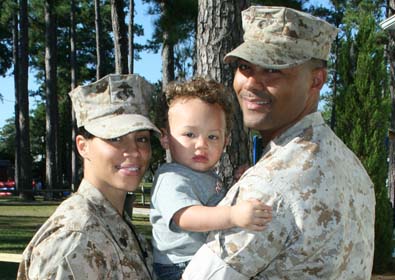
United Veterans Partnership, Inc. (UVP) is a non-profit 501(c)(3) community development organization that works with our partners to build more sustainable communities where veterans and their families live, work, play and pray.

The UVP works closely with our partners to deliver programs that connect veterans to better housing and employment opportunities, financial literacy, business development resources and improved access healthcare and healthy food options.

At the end of the day, our success isn’t measured by the number of awards we get or the money we have raised but, rather, by the number of veterans who are living a better quality of life because of a connection that we made.


The Mission of the United Veterans Partnership is to “Help Veterans Build Sustainable Communities.”

For two years, the United Veterans Partnership (UVP) has listened to, communicated with and learned from veterans and other members of the community that the most pressing need is employment and business opportunities after their service to our country has ended. UVP is our answer to helping Veterans find the opportunities need to continue to be successful in the next chapter of their lives.

We are dedicated to helping veterans build communities through outreach programs and leadership development that focus on obtaining gainful employment, financial education, housing, entrepreneurial opportunities in business.

To do this the UVP has focused on striving to meet five goals to help meet the needs of returning veterans and the communities in which they live:

Jobs/Jobs Training: Develop a comprehensive Accelerated Job Training Program to reduce the jobless rate among veterans and partner with local companies to keep veterans employed long after their military obligation has ended.
Connecting the Veteran Workforce to Opportunities: Build stronger linkages between businesses and the central city workforce of veterans through partnerships with the Department of Veteran Affairs and other organizations that share the same goals of helping veterans achieve their goals.

Greater Veteran Involvement in Economic Development: Increase the participation of veterans of veterans with assistance from the UVP on local and regional planning and project development efforts.

Community Development: Deepen thee impact of Veterans on the development of the community, including but not limited to; housing and housing development, economic development, financial education and training, and community leadership opportunities.
Entrepreneurship/Small Business Development: Foster greater entrepreneurship in the community by guiding veterans on the creation and expansion of Veteran owned businesses and franchises.


Source: Our Mission