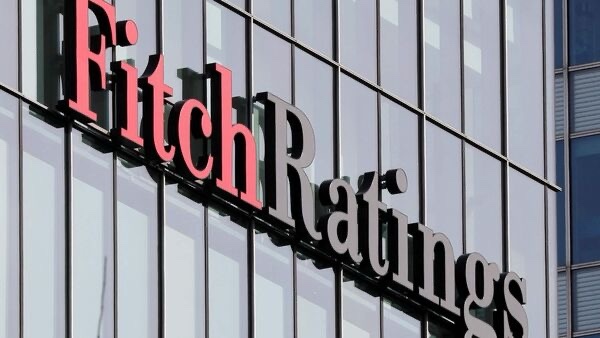
In a recent blow to the United States, Fitch Ratings has downgraded the nation’s credit rating from the highest possible AAA to AA+. The rating agency attributed the drop to increasing deficits and political conflict, which they believe threaten the government’s capacity to service its debts.
This decision was made two months following a last-minute agreement between the Biden administration and House Republicans to temporarily raise the debt ceiling, thereby narrowly dodging a potentially catastrophic federal default.
This isn’t the first time the U.S. has faced such a demotion. Back in 2011, amid a similar crisis regarding the debt ceiling, Standard & Poor’s reduced the United States’ AAA rating. At present, Moody’s Investors Service is the only major credit rating agency that continues to assign the U.S. the top AAA rating.
Despite recognizing the robustness of the U.S. economy and the benefits reaped from the dollar’s position as the world’s primary currency, Fitch expressed concerns about the escalating deficits and both political parties’ reluctance to address long-term fiscal issues. Fitch voiced limited faith in the government’s ability to effectively manage the country’s finances.
In response to the downgrade, Treasury Secretary Janet Yellen criticized Fitch’s decision as “arbitrary” and reliant on obsolete data. She emphasized that “Treasury securities remain the world’s preeminent safe and liquid asset” and affirmed the underlying strength of the U.S. economy.
According to Fitch, the expenditure caps set as part of the recent debt agreement in June merely scratch the surface of the overall budget and do not confront enduring issues, such as financing Social Security and Medicare for an aging populace.
With tax reductions and elevated government expenditure leading to an expansion of deficits in recent years, and coupled with increasing interest rates, the fiscal burden has grown. Government interest payments in the first nine months of the current fiscal year amounted to $652 billion, marking a 25% rise from the same period last year.
Maya Macguineas, the president of the Committee for a Responsible Federal Budget, responded to the downgrade, terming it a “wake-up call.” She stressed the urgent need for fiscal responsibility, stating, “We are clearly on an unsustainable fiscal path. We need to do better.”
The repeated political standoffs over the debt ceiling have not only eroded the faith in U.S. fiscal management but also put the longstanding reputation of U.S. government bonds at risk. For close to a hundred years, these bonds have been considered some of the safest investments globally, primarily because the U.S. seemed unlikely to default on payments.
However, with the recent debt ceiling impasses, there is growing concern that the U.S. might default for the first time. Over a decade ago, S&P pointed out political discord as a significant risk to the country’s governing ability, and many experts opine that the situation has deteriorated since.

 Nkozi Knight