When Staying Still Costs You More Than Leaving

By Nkozi Knight

We are taught that success is a matter of effort and time. Keep your head down. Do the work. Stay loyal. That path built many careers. It also blinds many people to a quieter truth. Sometimes the most valuable move is to leave before the role leaves you.

Workplaces are changing faster than job descriptions. Automation absorbs routine tasks. Teams are reorganized to chase efficiency. Hiring broadens across borders and time zones. The game rewards adaptability and clear value creation more than tenure. In that world staying put out of habit can become the most expensive decision you make.

Quiet quitting got the headlines. The real danger is quiet stagnation. You keep delivering while the organization shifts around you. The learning curve flattens. Budgets tilt toward tools and roles that scale. Your calendar fills up while your market value stands still. It feels safe. It is not.

Walking away is not drama. It is strategy. The test is blunt. Does this role increase your value a year from now. Will you gain judgment, relationships, and outcomes that a tool cannot replicate. Are you closer to decisions or only to tasks. If the answers are unclear, your growth is elsewhere.

Leaving does not always mean leaving the company. It can mean moving away from the wrong team, the wrong product line, or the wrong client mix. It can mean choosing work that sits beside the machines rather than beneath them. Human judgment, trust building, original insight, and accountable ownership remain scarce. Aim your career at the work that needs a signature, not just a keyboard.

Global hiring and visa policies will keep shifting. So will the conversation about who gets which jobs. The best answer is not resentment. It is readiness. Build skills that travel across industries. Learn the systems that drive your field so you can direct them rather than compete with them. Grow relationships that outlast titles and managers. When your value is obvious and portable, market cycles do not scare you.

Leaders face a parallel choice. Use new technology to strip meaning from work and your best people will leave first. Use it to remove drudgery while investing in clear ladders and real learning and your best people will build with you. Markets reward firms that pair efficiency with dignity.

The hardest part of leaving is the story we tell ourselves. We equate exit with failure. We confuse loyalty with growth. We wait for a sign that never comes. Here is the truth. Growth rarely happens in rooms that mute your voice or drain your energy. If the space no longer fits the person you are becoming, it is time to choose a new space.

Staying can be brave when it compounds your value. Staying can be costly when it does not. The opportunity you want is seldom waiting at the desk you have. Choose your arena with care. If the work no longer deserves you, walk away.
Knowing When to Walk Away in 2025

By Nkozi Knight

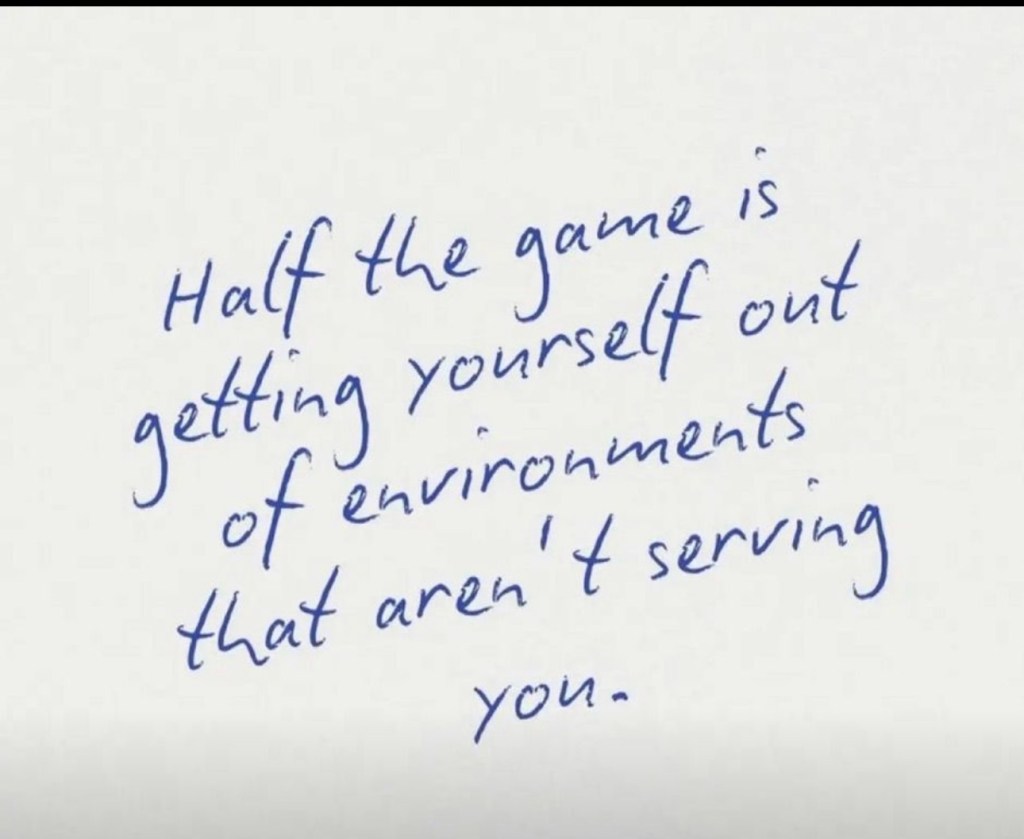
We tell ourselves that success comes from more effort and more time. That belief still matters. Yet in 2025 another truth is just as important. Half the game is choosing where you spend your effort in the first place. Sometimes the smart move is to walk away.

The labor market is reshaping itself in real time. Generative AI tools now handle work that once kept whole teams busy. Companies are reorganizing to chase efficiency and speed. Leadership teams are under pressure to do more with fewer people. Global talent markets are wide open. H1B holders bring real skill and many firms are recruiting globally before they look locally. None of this is a moral judgment. It is the environment. In this environment staying put out of habit can become the most expensive decision you make.

Silent quitting defined the last few years. People stayed but pulled back. In 2025 the bigger risk is silent stagnation. You keep delivering while the org chart keeps shifting. Systems take over routine tasks. Budgets move to automation and to roles that can scale. If your seat does not compound your skills or your network, the clock is already ticking even if you cannot hear it.

Walking away is not drama. It is strategy. The question is simple. Does this role increase your value twelve months from now. If the honest answer is no, the cost of loyalty is too high. Loyalty to your future is the only loyalty that compounds.

To evaluate your situation ask yourself whether the outcomes you deliver are unique to your skill set or whether a model could replace them. Consider whether the learning curve in your current role is still steep or if you are repeating cycles that add little to your future. Reflect on whether your work places you near decision makers or keeps you locked in execution only. And finally, consider whether the relationships you build today will serve you tomorrow. These questions offer quiet clarity that no performance review will provide.

Leaving does not always mean quitting your employer. It can mean walking away from the wrong team, the wrong leader, the wrong product line, or the wrong client mix. It can mean seeking roles that sit beside the machines rather than beneath them. Human judgment, trust building, original insight, and accountable ownership remain scarce. Aim your career at the work that needs a signature, not just a keyboard.

The H1B debate is loud this year and will stay loud. The best response is not resentment. It is readiness. Build competencies that translate across industries. Learn the tools that drive your field so you can direct them rather than compete with them. Grow relationships that outlast any single title. When your value is clear and portable you will not fear any policy cycle.

For leaders the message is just as direct. People are watching how you treat them during this transition. If you use AI to strip away meaningful work without creating new ladders, your best people will exit first. If you invest in upskilling and in clear career paths, your organization will retain its core talent and attract more. Markets reward firms that act with clarity and care at the same time.

The choice to walk away is never easy. It asks for courage and a clear view of the road ahead. Yet the market is telling the truth every day. Growth rarely happens in places that mute your voice or drain your energy. If the room you are in no longer fits the person you are becoming, it is time to leave the room.

In 2025 the winners will not be those who simply grind harder. They will be those who choose their arenas wisely and walk away when the environment no longer deserves them.